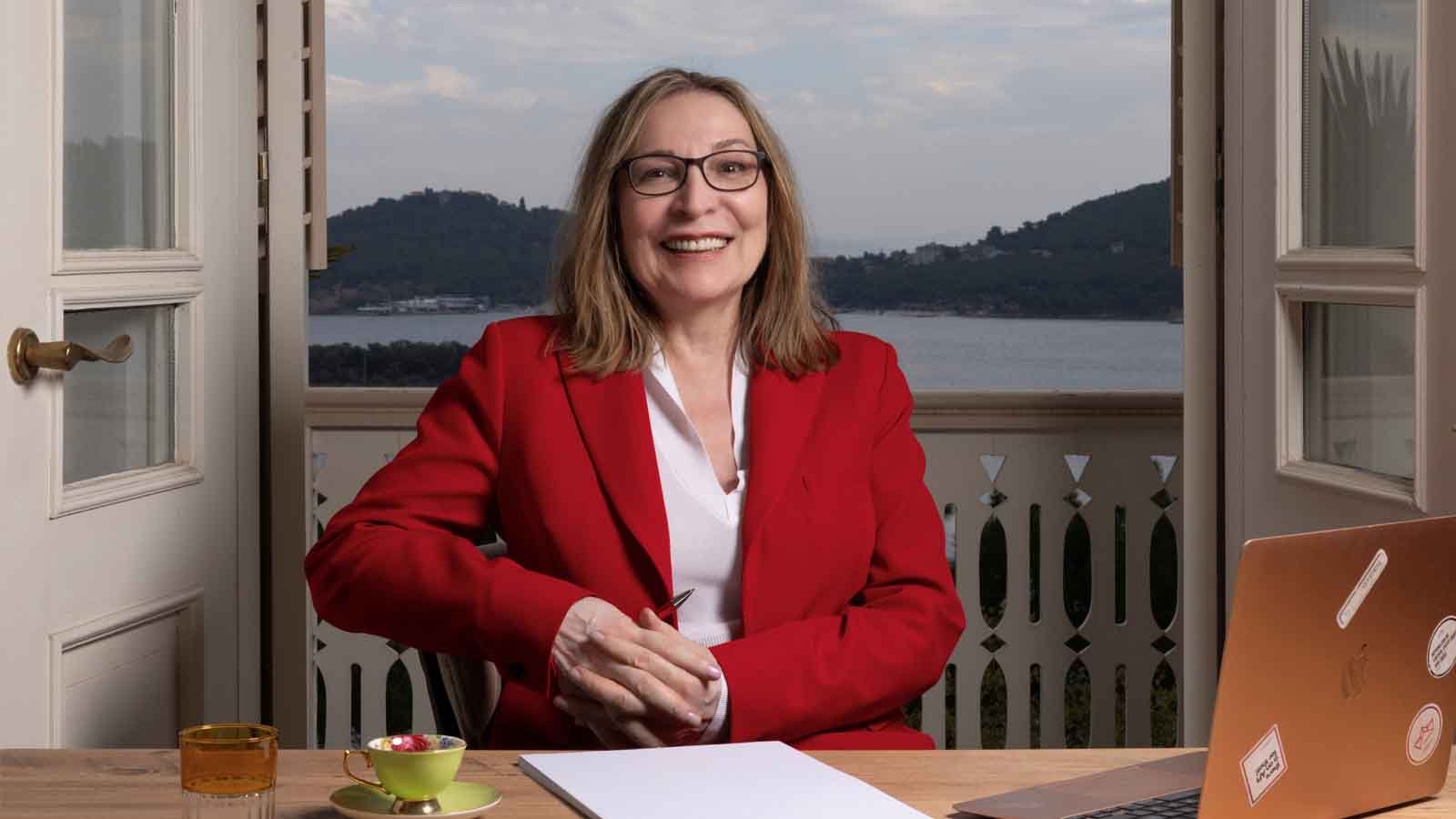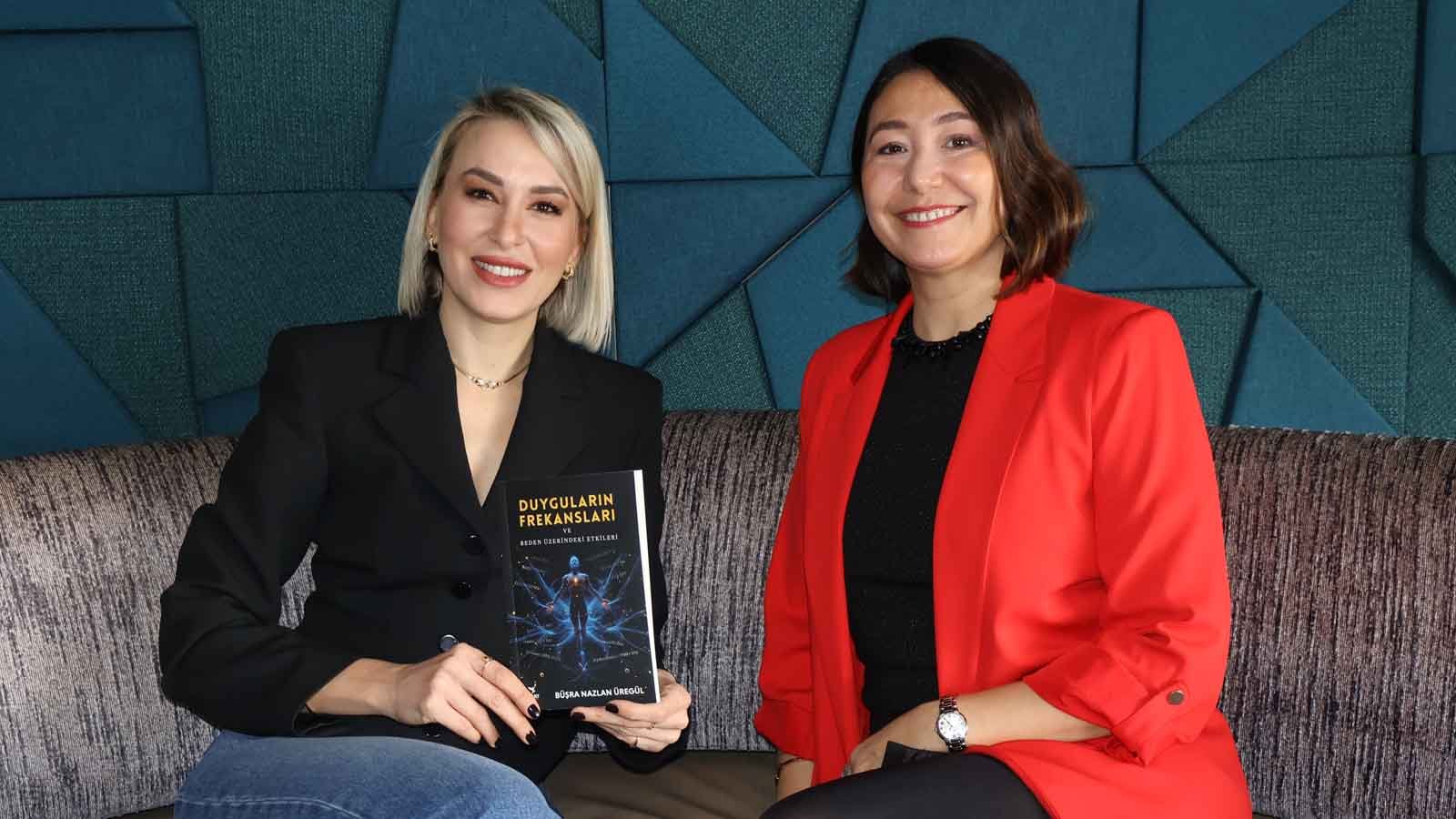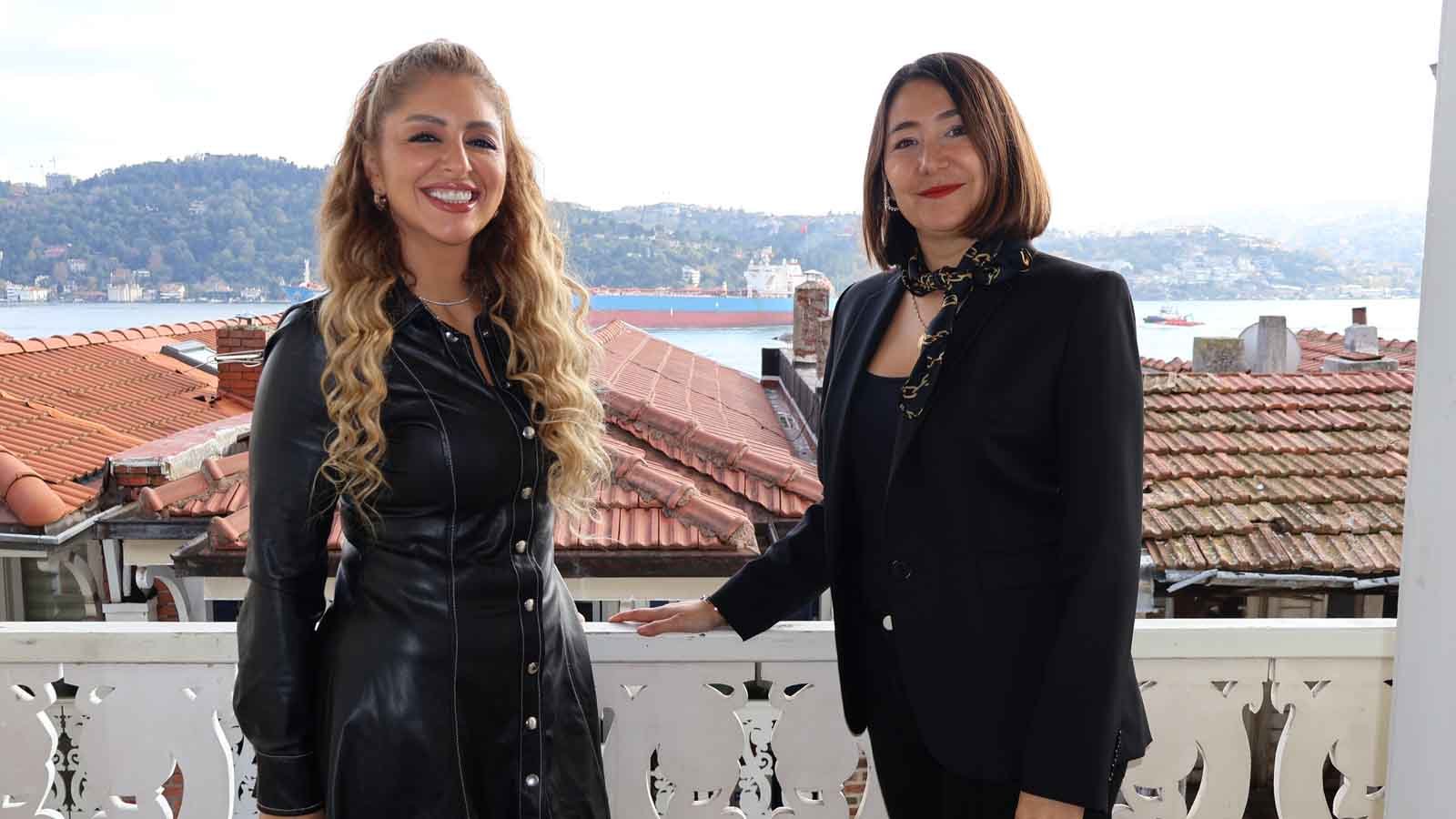
The new guest of the program “Conversations in Pursuit of Happiness”, prepared by Özge Zeki, is Verda Çakan, emotional eating consultant and author of the book “Love Feeds the Stomach.”
In this episode of “Conversations in Pursuit of Happiness,” Özge Zeki hosts Verda Çakan, the emotional eating consultant and author of Love Feeds the Stomach. Throughout the episode, they discuss how eating behaviors are not only related to physiological needs but are often intertwined with a person’s emotional burdens, the feelings they accumulate, suppress, or cannot express. Verda Çakan explains, in a simple yet impactful way, how fluctuations in emotions—especially those experienced by modern individuals at a desk, in traffic, at home, in relationships, or in moments of solitude—can turn into eating behaviors without one noticing, and how the short-lived sense of satisfaction from eating is actually an attempt to suppress a deeper emotion.
One of the strongest aspects of this sincere conversation is Verda Çakan’s open-hearted sharing of her own story. She talks about how gaining and losing weight became a constant cycle in her life starting from childhood, how this eventually led her to work in the field of emotional eating, and why she chose to leave her career in communications to support people in this area. This journey is both a personal and professional discovery. She emphasizes the deep sense of satisfaction and meaning she experiences today when sharing the insights she gained while working on herself for years with her clients, workshop participants, and trainees.

The conversation deepens as the differences between emotional hunger and physiological hunger are examined in detail. Verda Çakan explains that emotional hunger appears suddenly, pushes a person to eat quickly and often to crave a specific food, feels impossible to postpone, and usually leaves an uncomfortable sense of emptiness even after eating. In contrast, physiological hunger is a calmer, slower, and more natural process—a signal that emerges when the body truly needs nourishment and can be postponed. She recommends that listeners keep a food journal to distinguish between these two forms of hunger, because behind what appears on the surface, there is often a forgotten emotion, an unnoticed trigger, or a recurring behavioral pattern.
The section where Verda Çakan focuses on the concept of “lightening” (hafifleme) forms one of the most inspiring parts of the conversation. She states that the word “diet” creates feelings of pressure, deprivation, and failure, whereas the word “lightening” describes a mental, emotional, and physical state of balance. According to her, lightening is not a beginning but a preparation. Just like preparing for a wedding, a journey, or an important milestone, a person must first recognize their own emotions, notice their triggers, and learn to read their body’s signals. She explains that giving someone a diet program without preparing them for this process is often not sustainable.
Later in the conversation, the training and workshop programs conducted by Verda Çakan are detailed. Online group sessions, emotional eating introduction workshops, and “pre-diet preparation” processes are designed to help participants first understand themselves and then make behavioral change sustainable. Verda Çakan notes that during these sessions, people confront their childhood stories, begin to express emotional burdens they have carried for years, and acquire skills to manage these emotions. In her view, awareness is the first step; however, turning awareness into action—approaching oneself with compassion and consistently transforming one’s behaviors—is what creates real change.

This episode offers a powerful conversation not only about eating habits but also about transforming the relationship one has with themselves. It highlights how a person who recognizes and manages their emotions naturally begins to regulate their eating behavior, and how the feelings of eating, satiety, satisfaction, and control are closely tied to one’s emotional state. The heartfelt and profound dialogue between Özge Zeki and Verda Çakan opens an inspiring space for listeners to tune into their inner voice, make peace with their emotions, and bring greater awareness to their relationship with food.