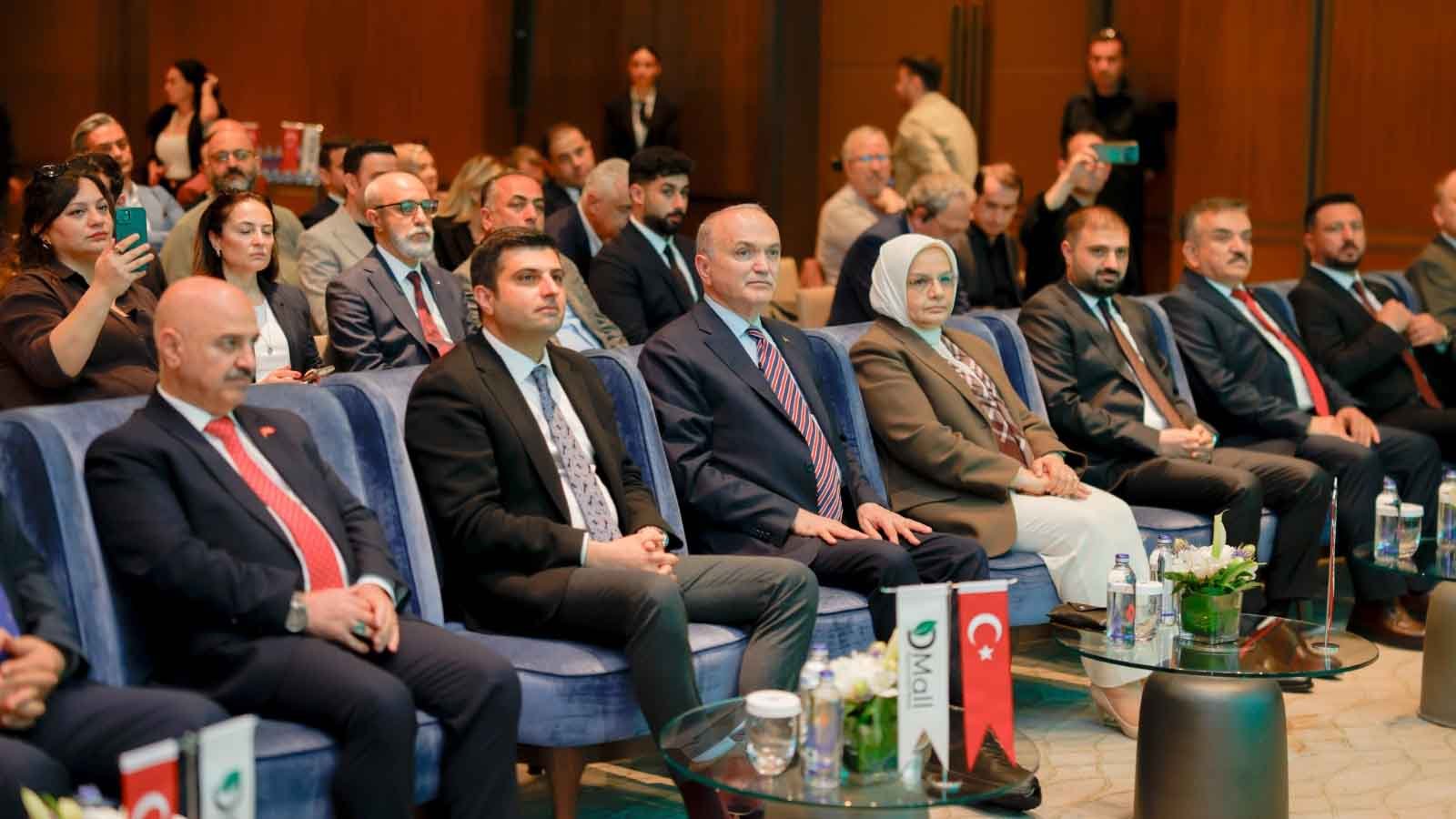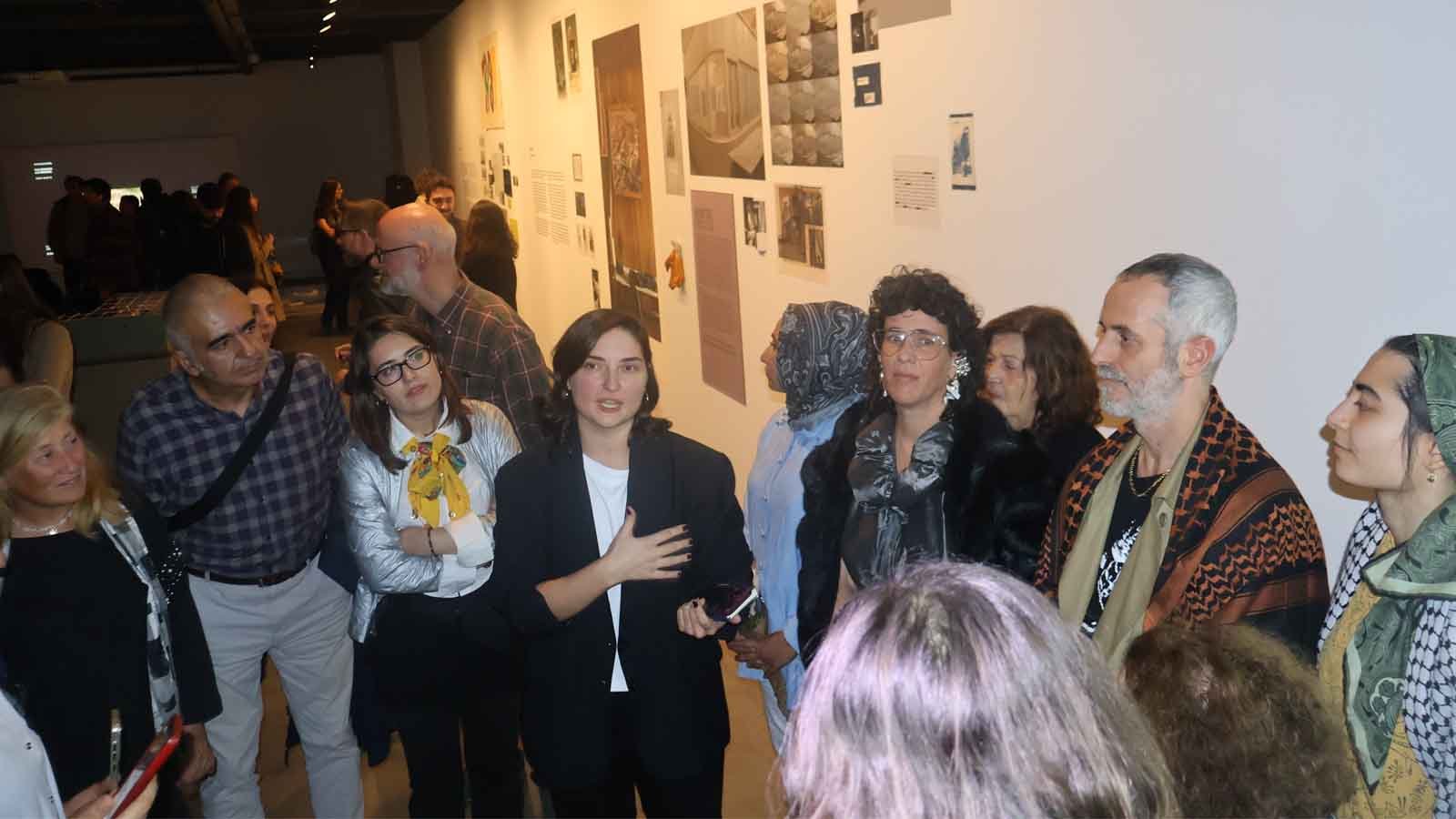
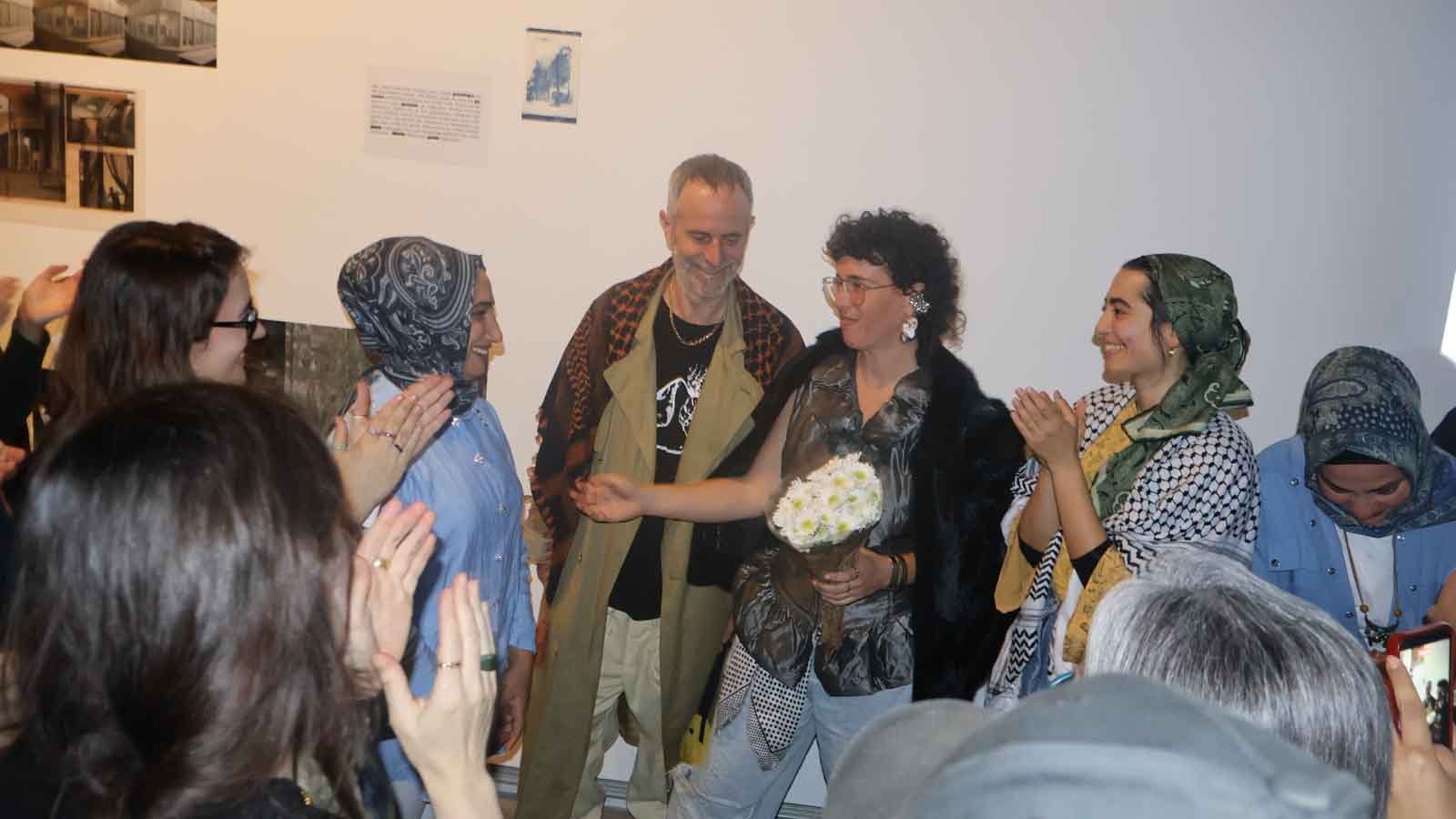
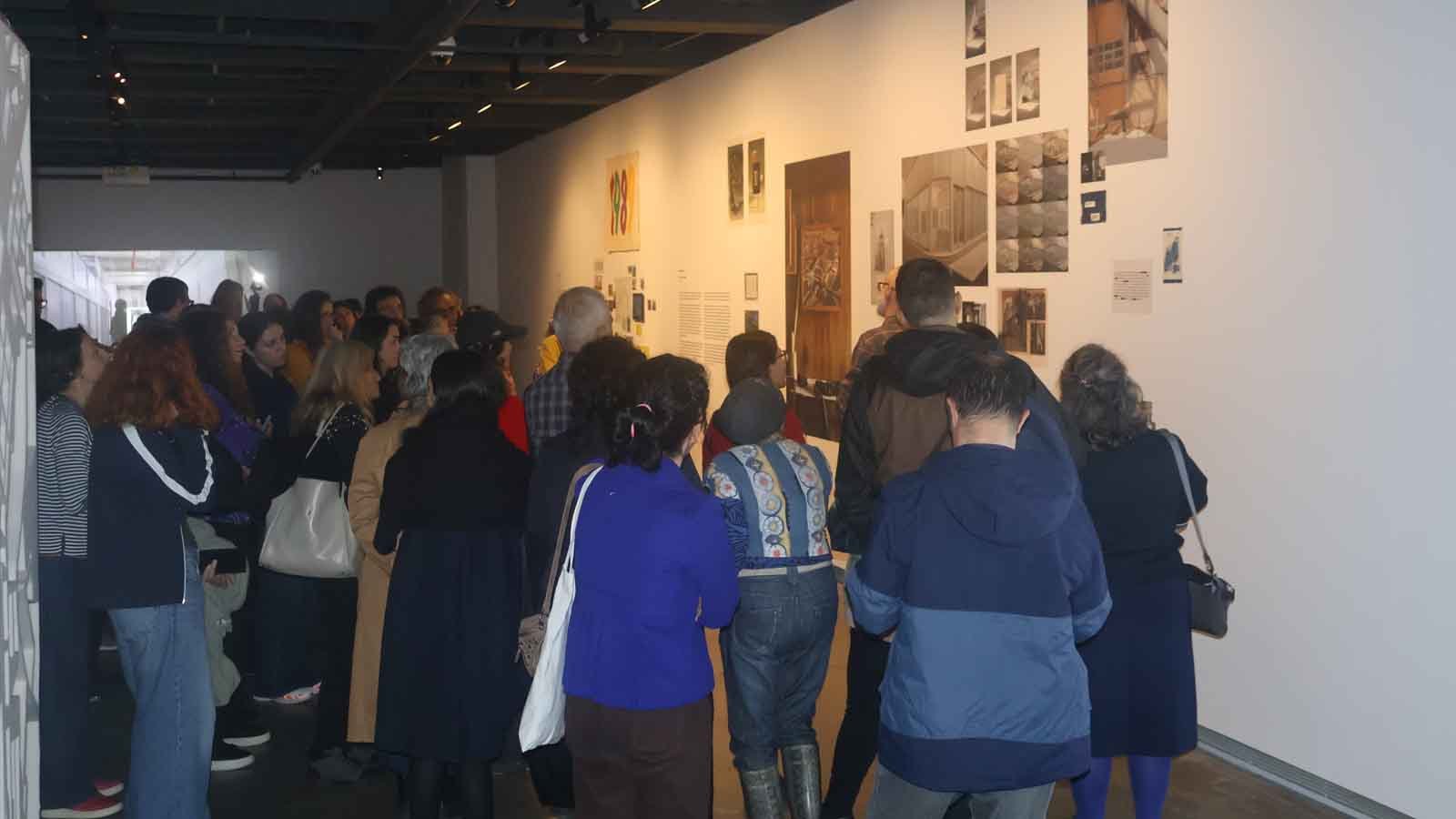
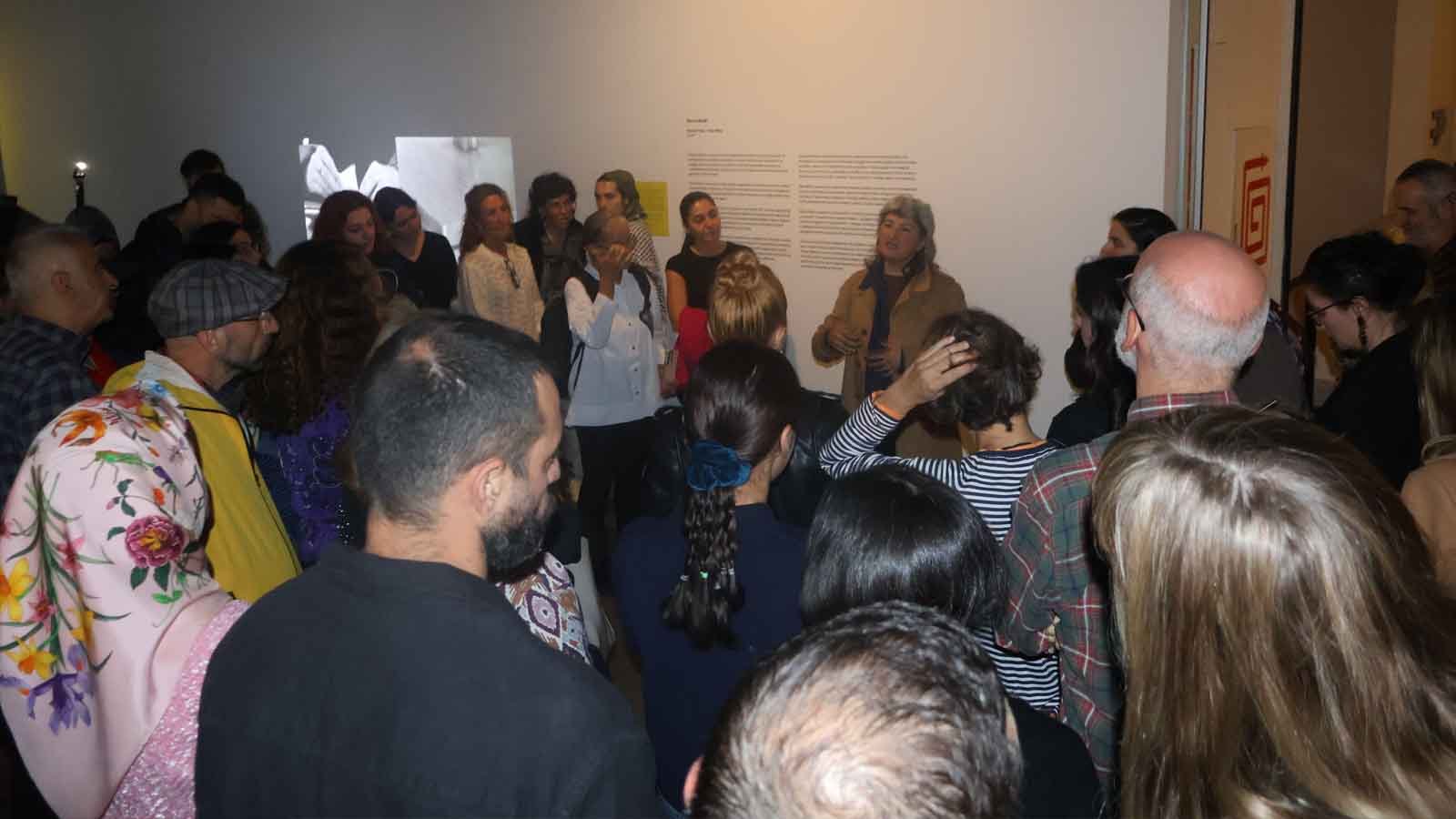
“No Entry Without Work,” presenting a multilayered exploration of labor, production, the worker’s body, and industrial memory, has opened its doors at Salt Galata. Following the opening cocktail reception held on October 16, the exhibition will be open to visitors from October 17, 2026, to February 14, 2027, inviting them to reconsider the unseen world of workplaces through art, research, archives, and collective memory.
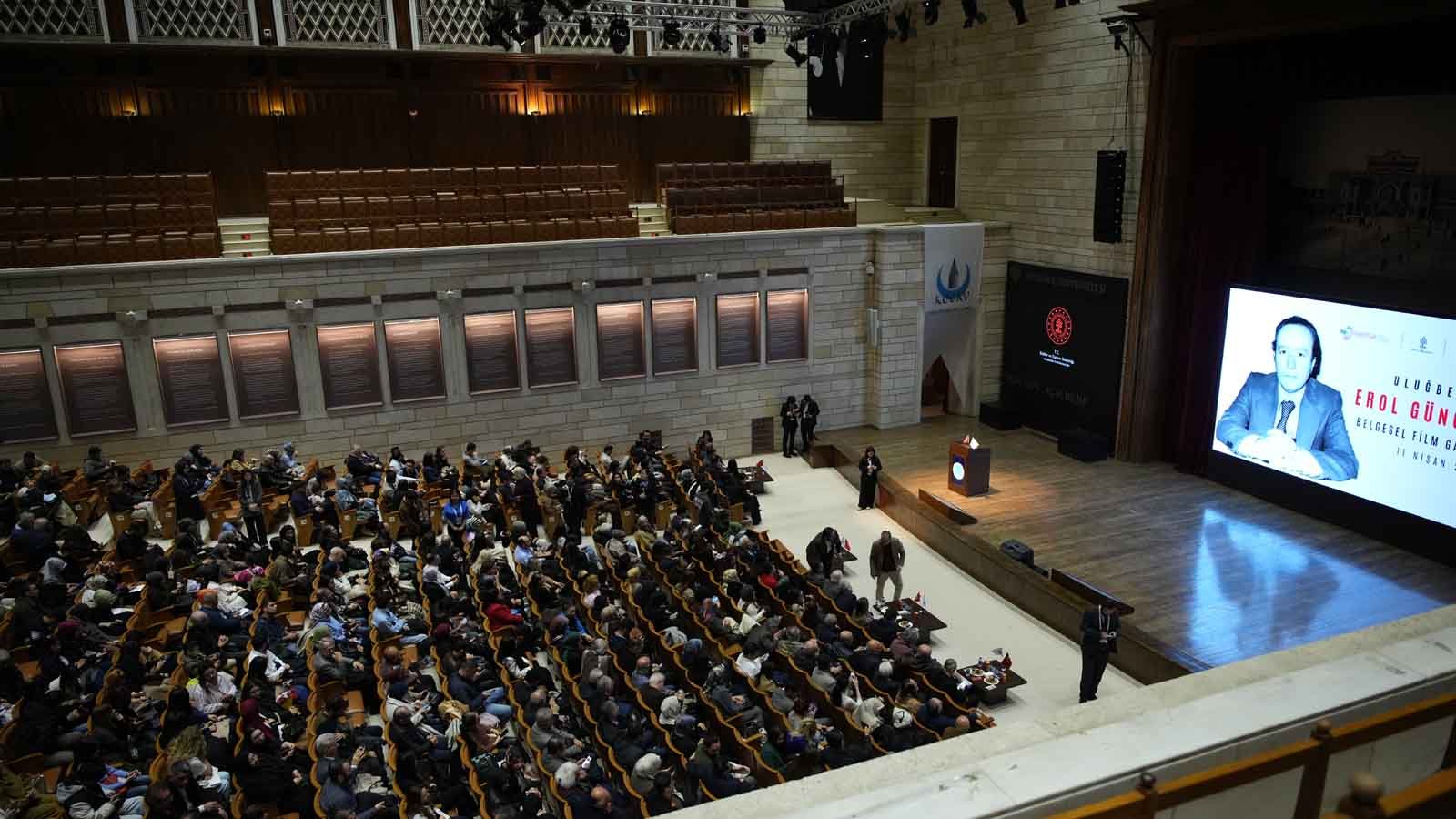
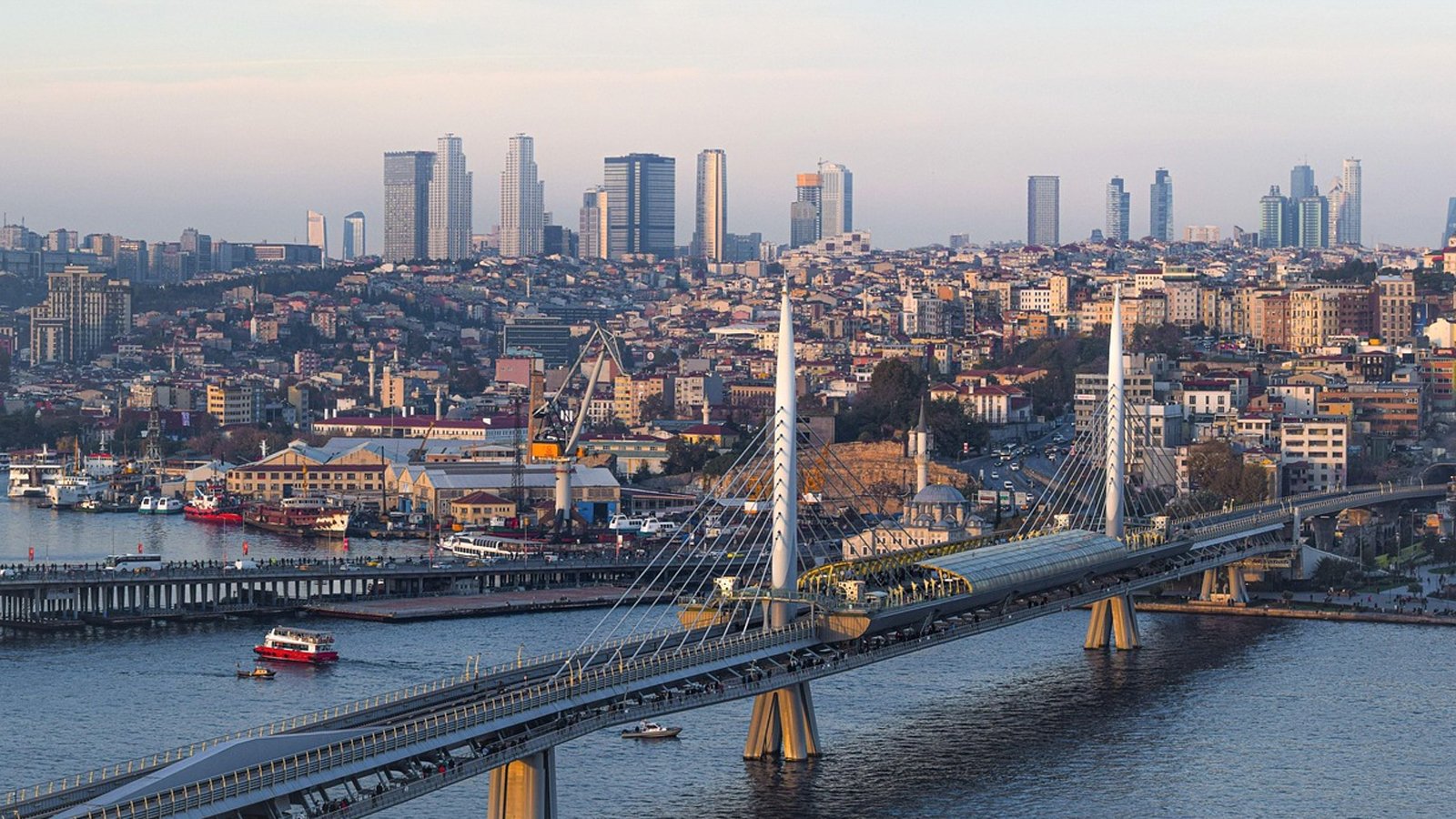
Salt Galata, one of the prominent venues in Istanbul’s cultural and artistic life, is hosting “No Entry Without Work,” an exhibition focusing on production relations, labor history, and the social impact of working life. Brought to the attention of art and cultural circles with its opening cocktail reception, the exhibition reveals that workplaces are not merely sites of economic production, but also spaces where social relations, inequalities, struggles, and collective memory take shape.
Bringing together works by seven artists and artist collectives, the exhibition invites visitors to reflect on a broad field of research extending from factories and recycling sites to industrial production areas and global supply chains.
The Invisible World of Workplaces
Despite occupying a central place in everyday life, workplaces are often among the spaces that remain outside the public eye. These areas, where the relationship between capital and labor is re-established every day, are defined not only by their physical boundaries but also by social, economic, and political arrangements.
“No Entry Without Work” takes its title from a familiar expression that points to the exclusionary boundaries of workplaces, raising the question of whom working life admits and whom it leaves outside. The exhibition does not approach production solely as a physical activity taking place in a factory; instead, it considers it as an extensive system stretching from the human body to urban space, and from logistics networks to digital environments.
The replacement of factories in city centers by residential developments, shopping malls, and cultural buildings following the transformation of global production models after 1980 constitutes one of the key historical ruptures addressed by the exhibition. As production moved to urban peripheries, organized industrial zones, and logistics infrastructure, workplaces largely lost their visibility, while production relations continued to spread into different areas of everyday life.
By examining the economic and social dynamics behind this transformation at different scales, the exhibition offers visitors an opportunity to reassess the concept of labor.
The Worker’s Body, the Global Waste Economy, and Industrial Transformation
The works presented in the exhibition bring together diverse subjects, ranging from the effects of production processes on the human body to the historical transformation of industrial structures.
Merve Bedir’s work Ramak Kala (2026) explores the relationship between humans, machines, and space, raising questions about how the body is positioned within processes of optimization and automation. The work suggests that production should be evaluated not only in terms of technical efficiency but also in relation to the limits of human labor and working conditions.
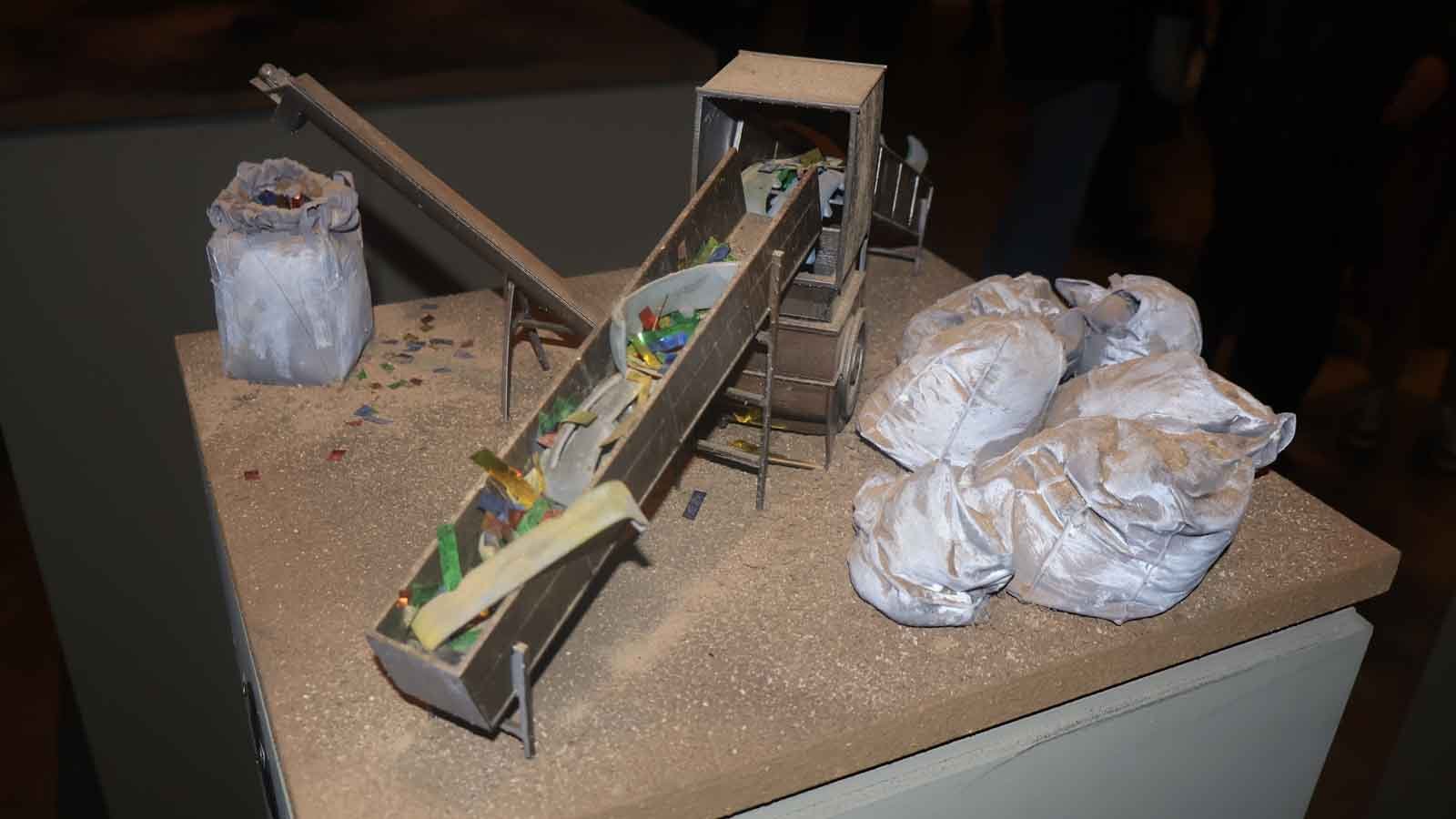
Kamil Dalkır and Sibel Karadağ examine recycling sites in Istanbul within the context of the global waste economy. Investigating the physical toll experienced by workers during the processing of waste imported from Europe, the artists make visible the labor processes that remain behind global circulation networks. In this way, waste management is considered not merely as an environmental issue but also in relation to occupational health, working conditions, and international economic relations.
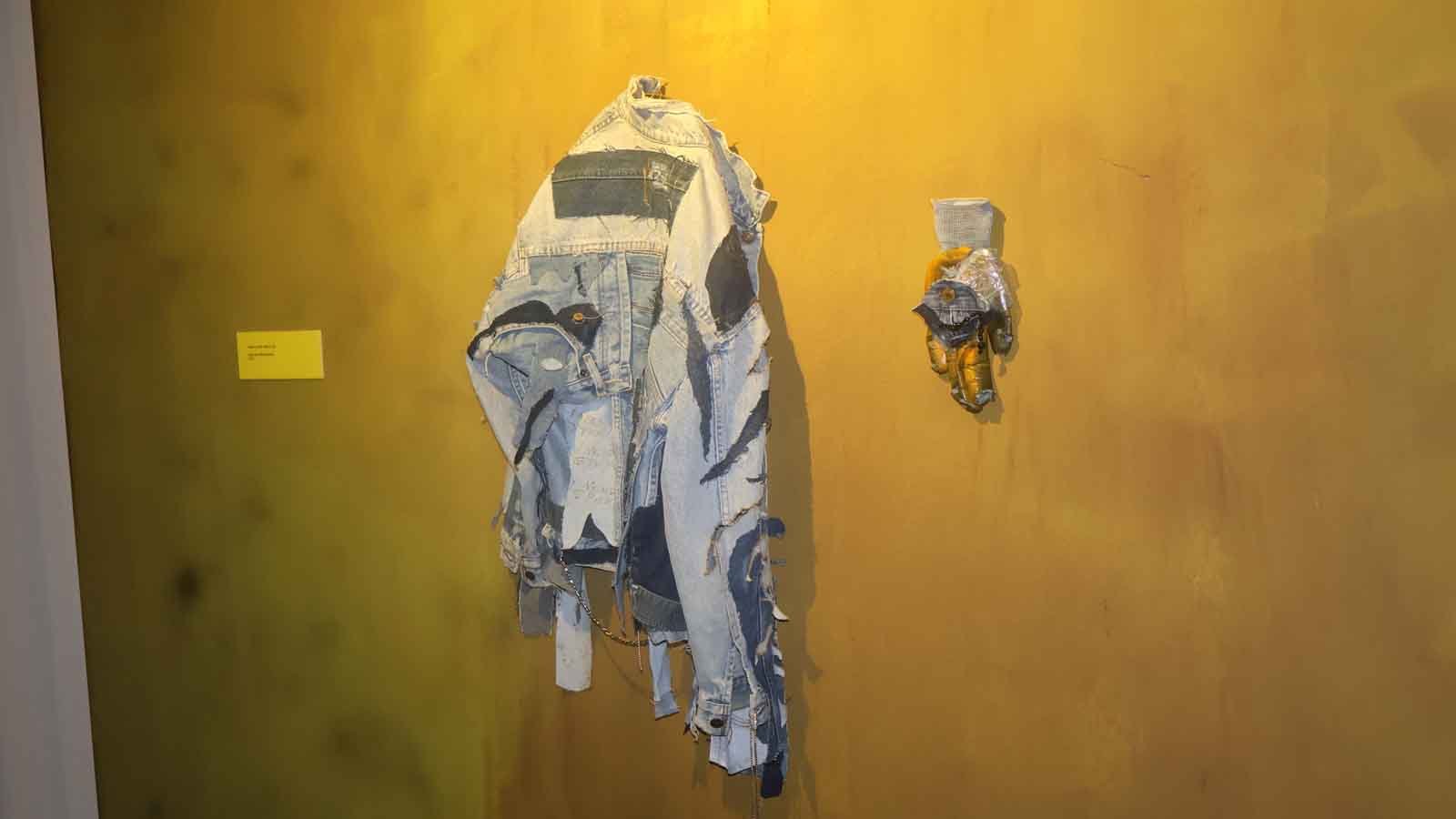
belit sağ’s work focuses on the privatization and liquidation of the Sümerbank Bakırköy Textile Factory. Establishing a relationship between neoliberal discourse, which regards public factories as an economic burden, and the marks left by harsh working conditions on workers’ bodies, the work addresses industrial transformation not solely through economic decisions but also through their consequences for human lives.
Factory Memory, Archives, and Urban Transformation
One of the exhibition’s key themes is the transformation of production spaces over time and the traces this transformation leaves in collective memory.
Dilşad Aladağ examines the history of the Simyonoğlu Factory, which first became the National Factory and later a museum, through the tensions between official archives, social narratives, and personal memory. The work demonstrates that when the functions of industrial structures change, not only do the physical spaces transform, but so do the memories and social meanings shaped around them.
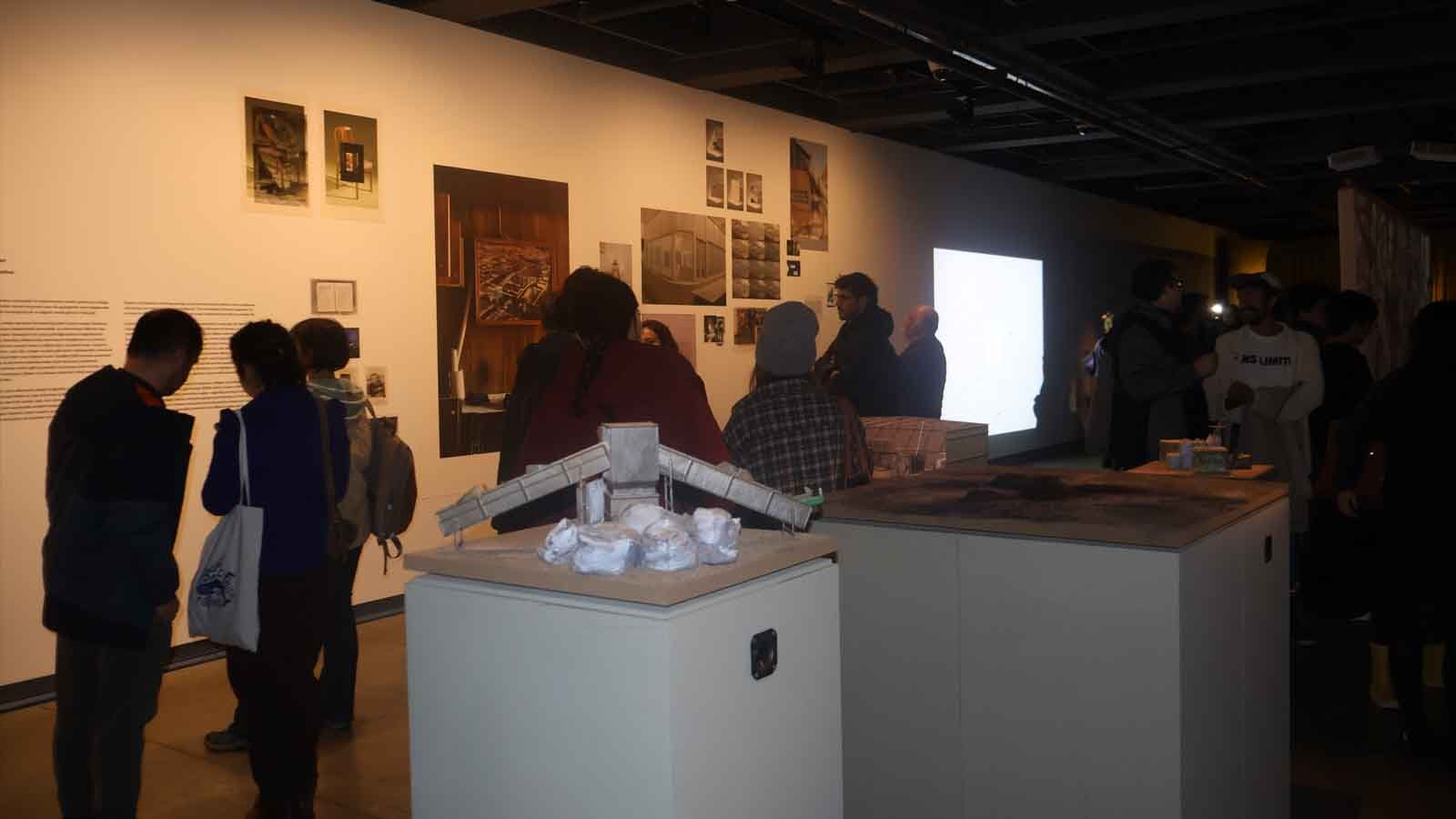
Metehan Özcan’s archive, assembled from job advertisements, factory yearbooks, and various found materials, focuses on modernist workplaces and living spaces. Opening up the boundaries between private and public space, industrial production, and social reproduction to discussion, this approach reminds us that working life is not limited to working hours.
Through these works, the exhibition presents former industrial spaces not as nostalgic relics of the past, but as historical sites that can be reinterpreted in relation to contemporary urbanization policies, working arrangements, and social relations.
Labor Struggles and Collective Resistance
“No Entry Without Work” does not view the factory solely as a space where discipline, control, and domination are imposed. It also positions the factory as a place where solidarity, organization, and creative resistance can emerge.
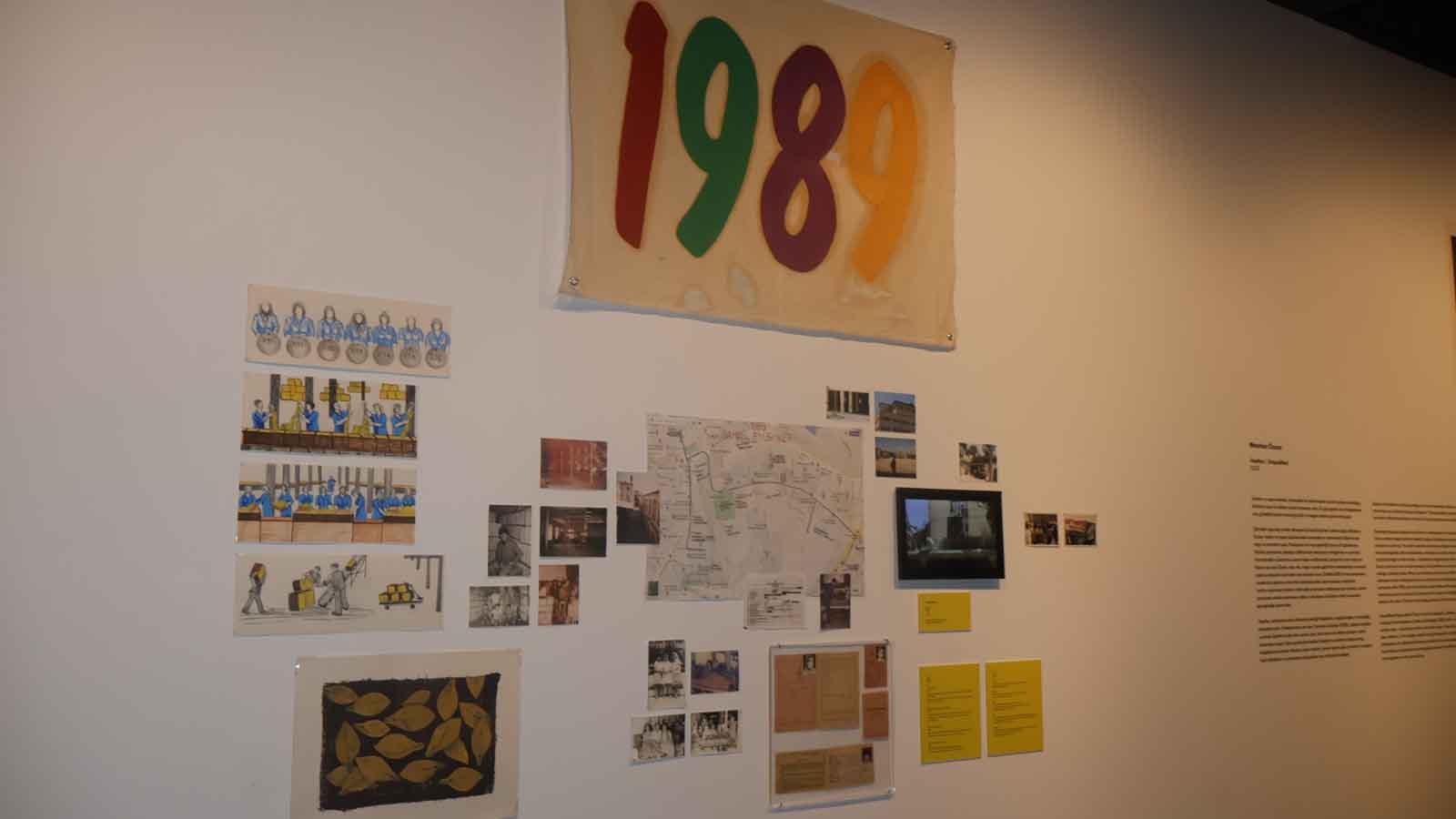
Sultan Gökdemir’s work documents labor protests that took place across Türkiye in 1989, examining how urban space can become an arena for collective dissent and struggle. Highlighting the relationship between labor movements and public space, the work draws attention not only to the role of labor in the production process but also to its capacity to generate social and political change.
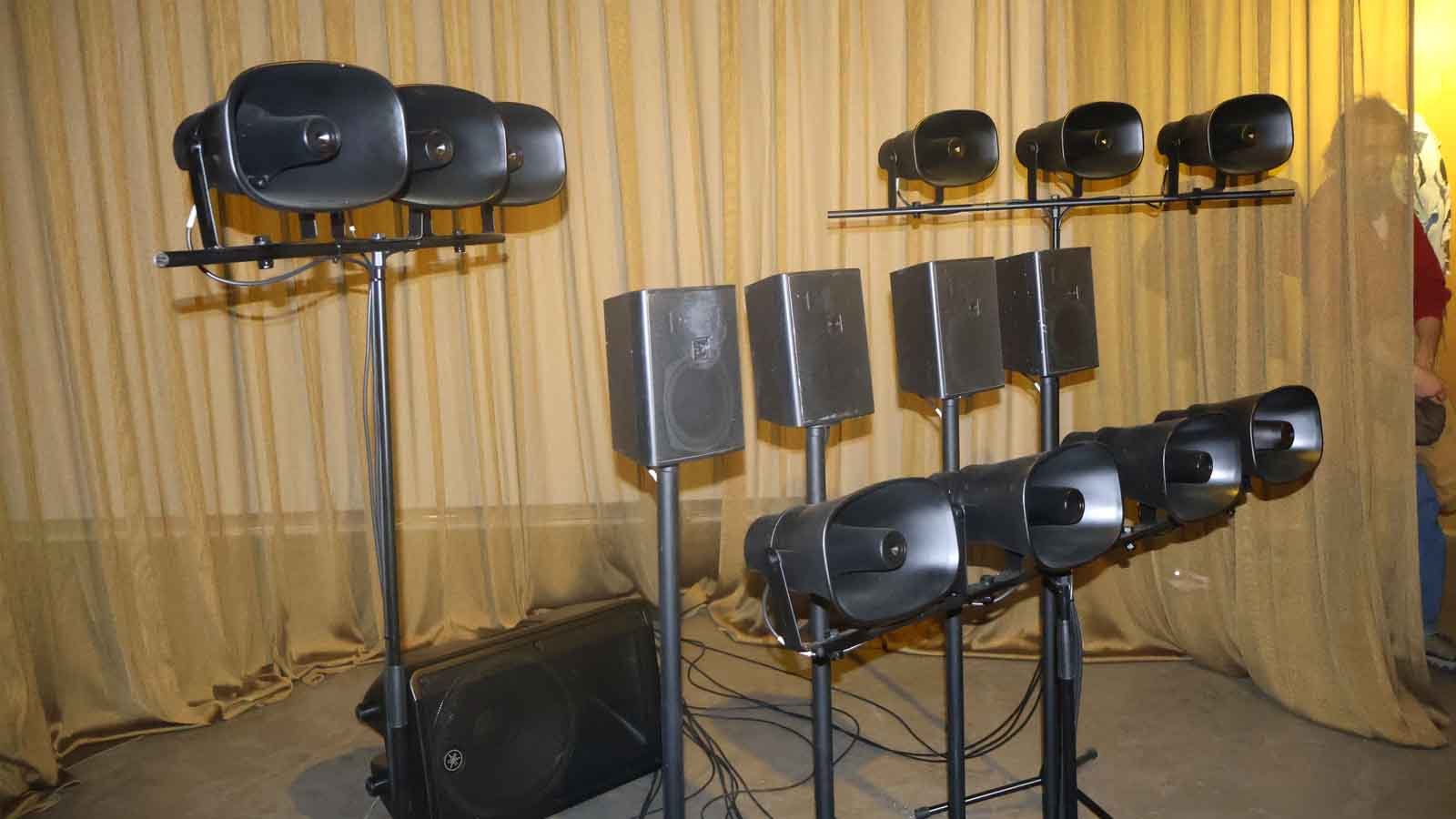
Tamar Levit and Yaën S. Levi, together with the Neval Tarım and Çalışan Eller choirs, focus on the struggle for workers’ rights among textile workers producing for global supply chains. By bringing the experiences and forms of solidarity of workers behind international production networks to the forefront, the work invites viewers to reconsider the relationship between working conditions and labor rights.
This aspect of the exhibition reveals that working life is shaped not only by economic necessities but also encompasses opportunities for collective action, demands for rights, and the development of alternative forms of solidarity.
A Multilayered Narrative Spanning the Floors of Salt Galata
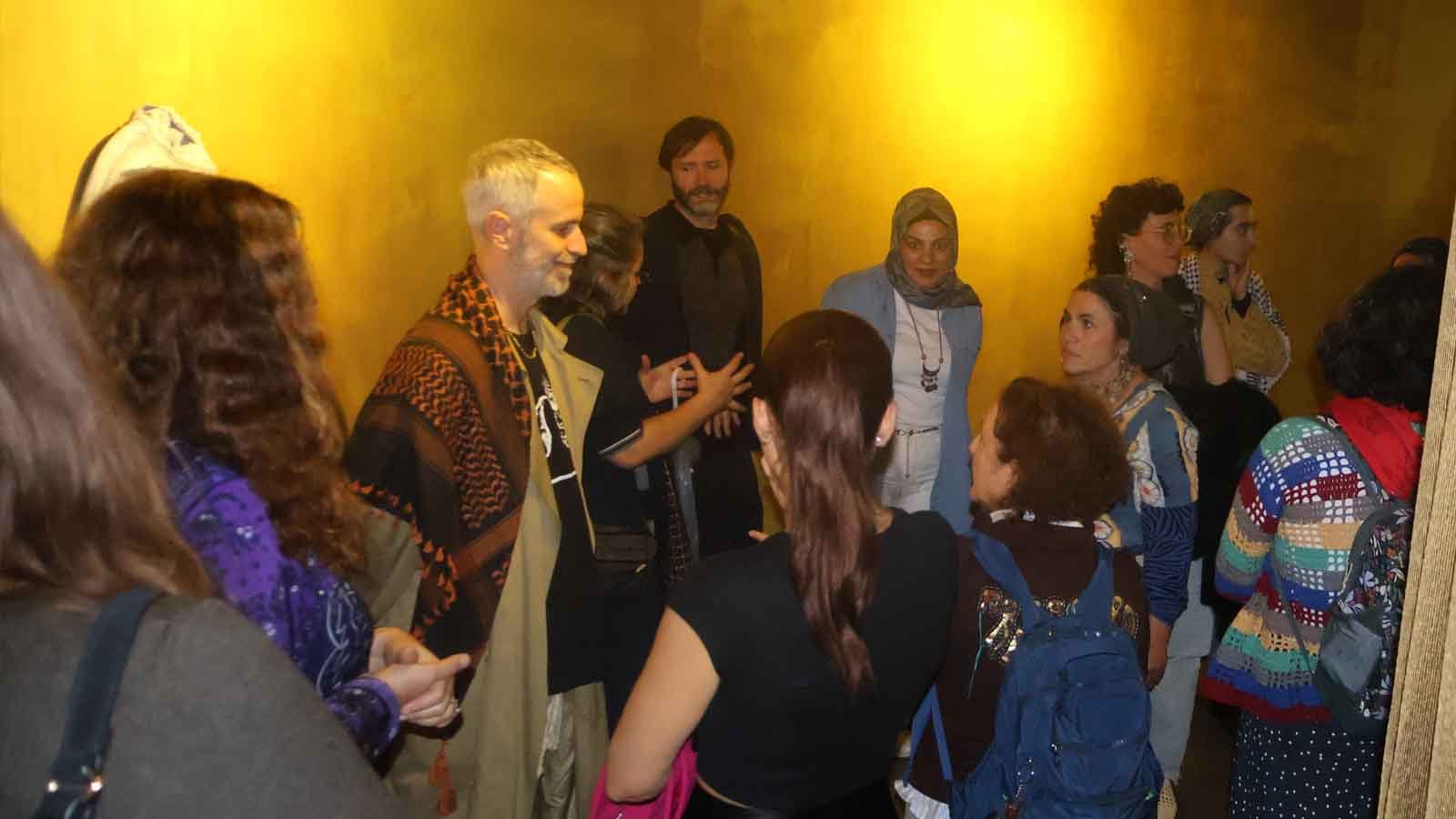
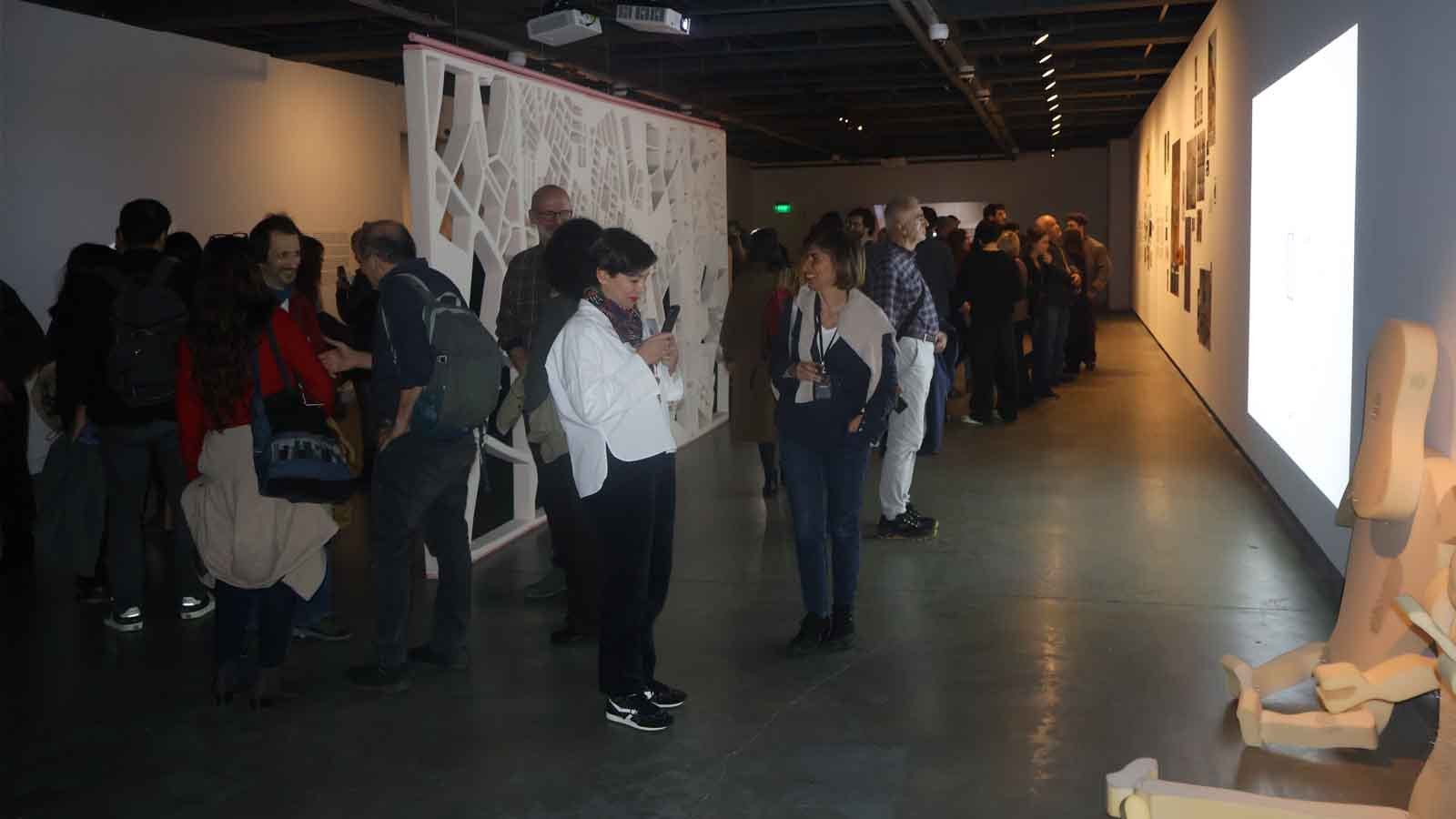
Extending across the different floors of Salt Galata, “No Entry Without Work” brings together diverse forms of artistic production, research, and archival materials. Rather than guiding visitors through a single narrative, the exhibition invites them to establish connections between different dimensions of working life.
Extending from the worker’s body to production facilities, from urban transformation to global circulation networks, and from historical archives to practices of collective resistance, this approach addresses the place of labor in everyday life from a broad perspective.
The exhibition moves beyond the physical boundaries of workplaces to open up the environmental, social, and cultural consequences of production for discussion. In doing so, it invites visitors to take a closer look at labor processes that often remain invisible in everyday life and at the human stories behind them.
Artists and Exhibition Team
The “No Entry Without Work” exhibition features works by the following artists:
- belit sağ
- Dilşad Aladağ
- Kamil Dalkır and Sibel Karadağ
- Merve Bedir
- Metehan Özcan
- Sultan Gökdemir
- Tamar Levit and Yaën S. Levi
The exhibition program is coordinated by Eylül Şenses. Aslı Odman and Görkem Akgöz serve as advisors, while the exhibition design and production are carried out by Emirhan Altuner. The exhibition is edited by Melis Cankara, with the English translation by Paul Osterlund. Fulya Aras serves as design and production assistant. The communication design is by Umut Altıntaş.
OCD Museum Works, 3T Reklam, Demirel Teknoloji, and Eray Özcan contribute to the installation process.
The exhibition is realized with the support of the Kingdom of the Netherlands and contributions from Bankerhan Hotel, Eureko Sigorta, and Jotun.
Visitor Information
Exhibition: No Entry Without Work
Venue: Salt Galata, Istanbul
Dates: October 17, 2026 – February 14, 2027
Opening cocktail reception: October 16, 2026
Official exhibition page: https://saltonline.org/tr/etiketler/sergi-17
“No Entry Without Work” invites visitors to reflect on labor, production, the city, industrial memory, and resistance until February 14, 2027. Bringing together the visible and invisible layers of contemporary working arrangements, the exhibition uses art to bring the human stories and social relations behind production back into focus.