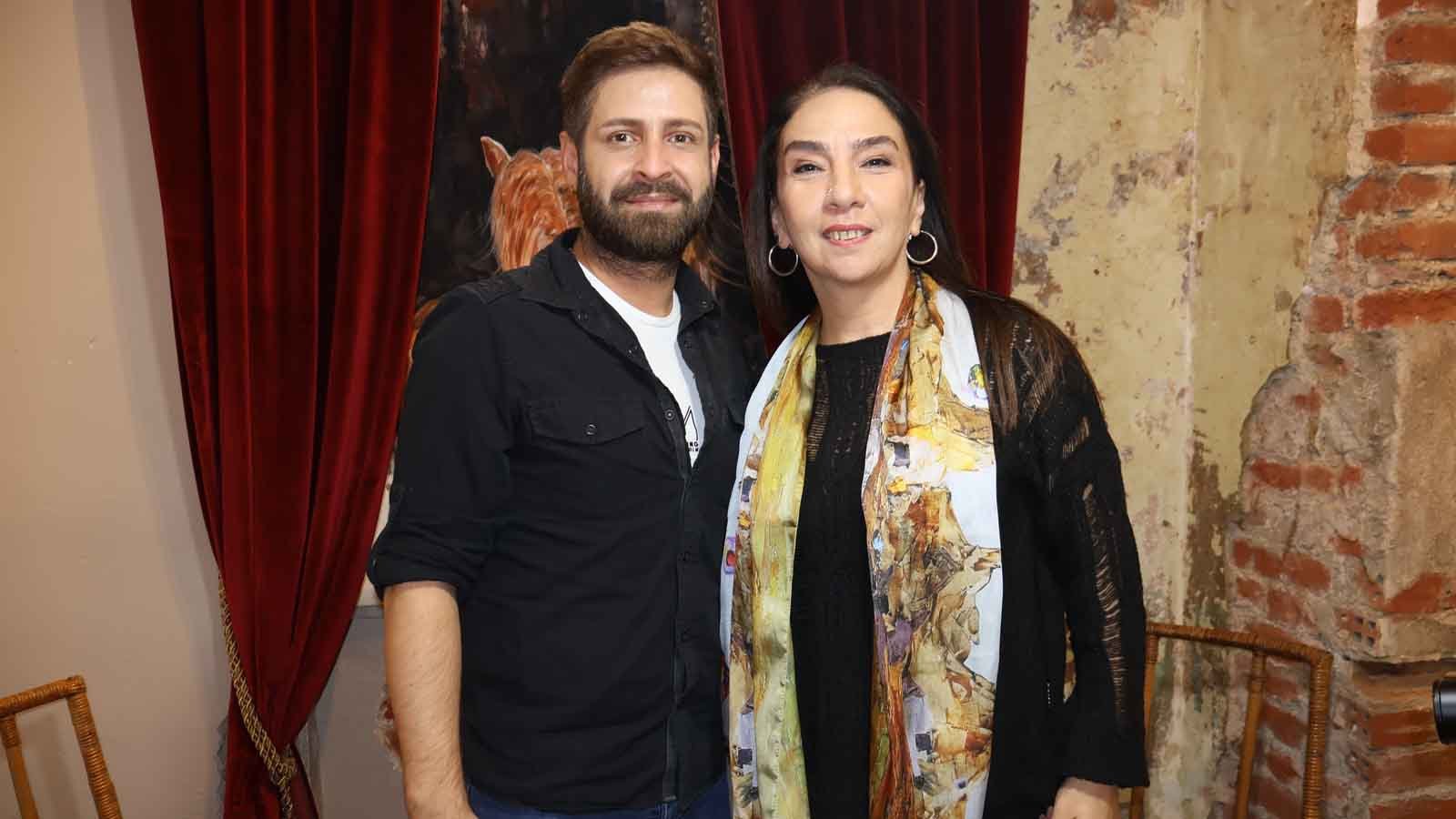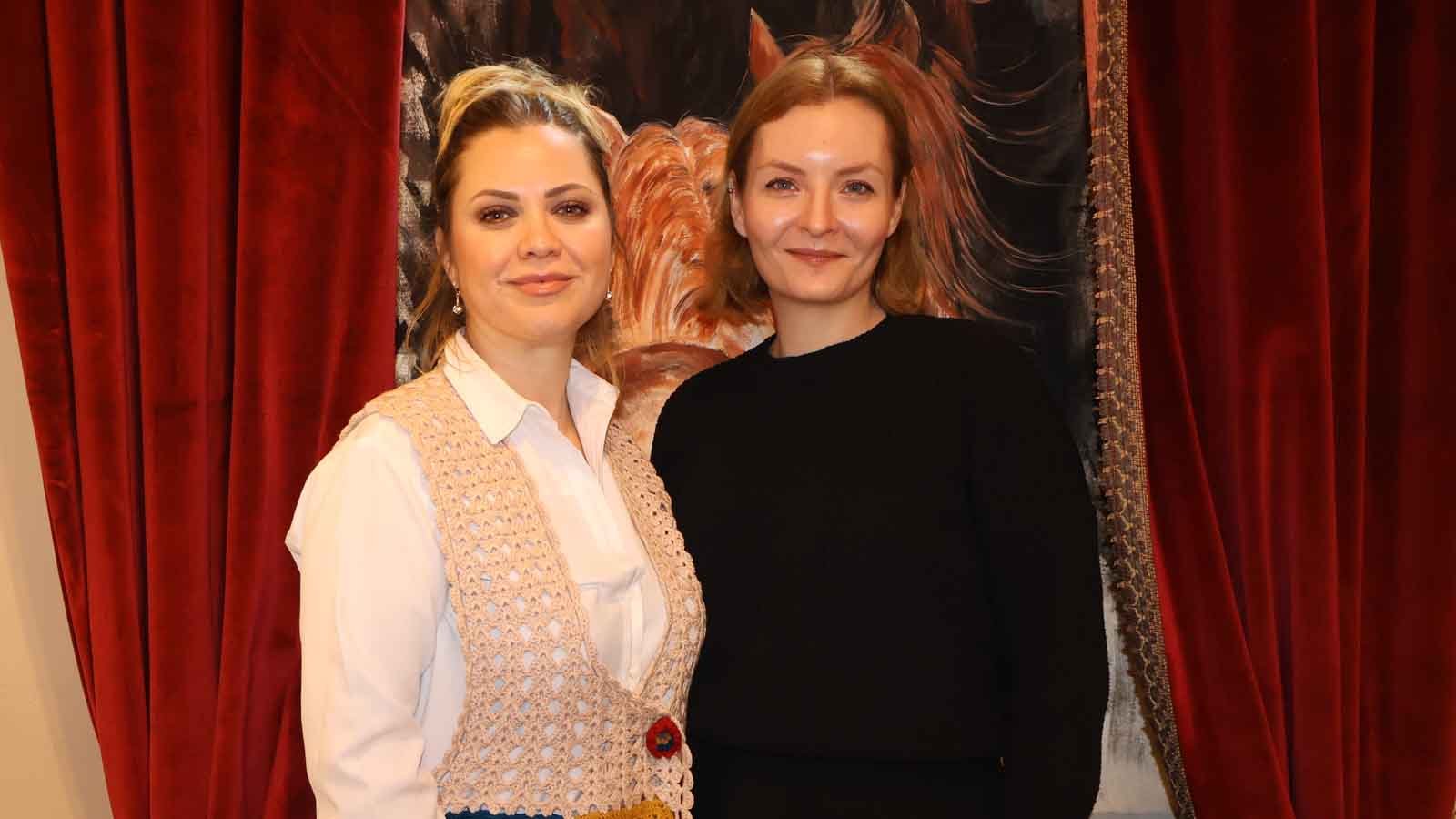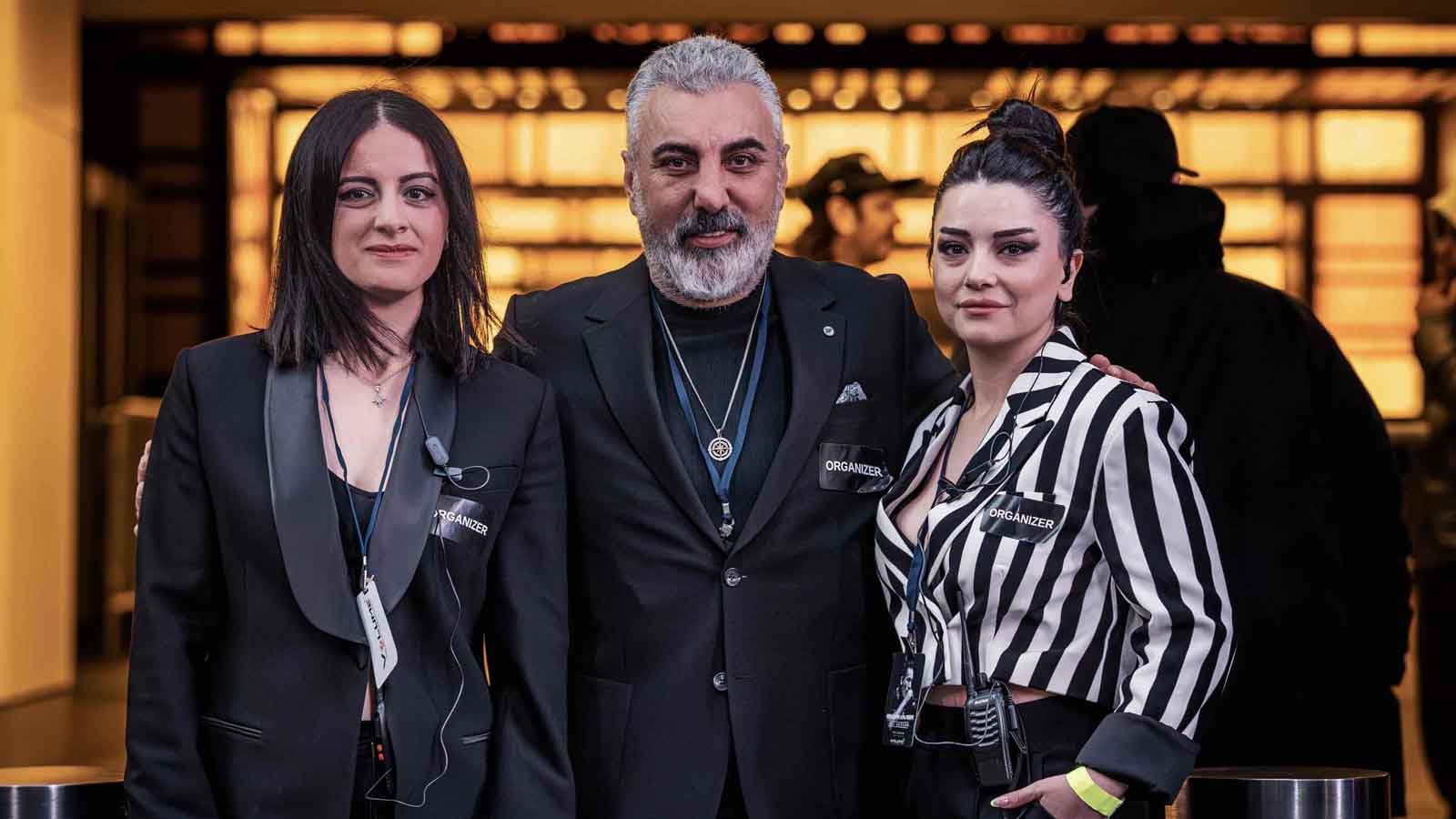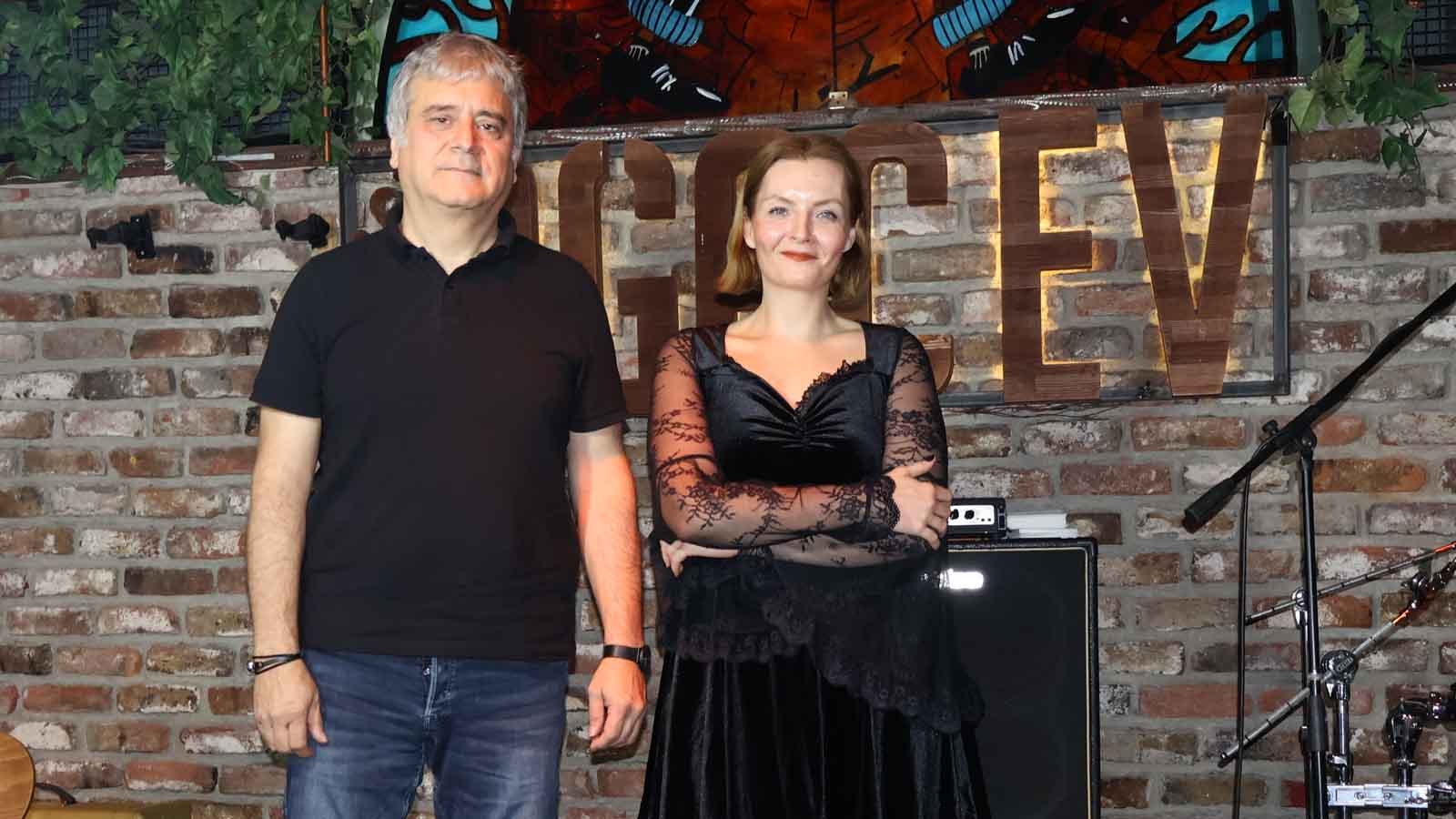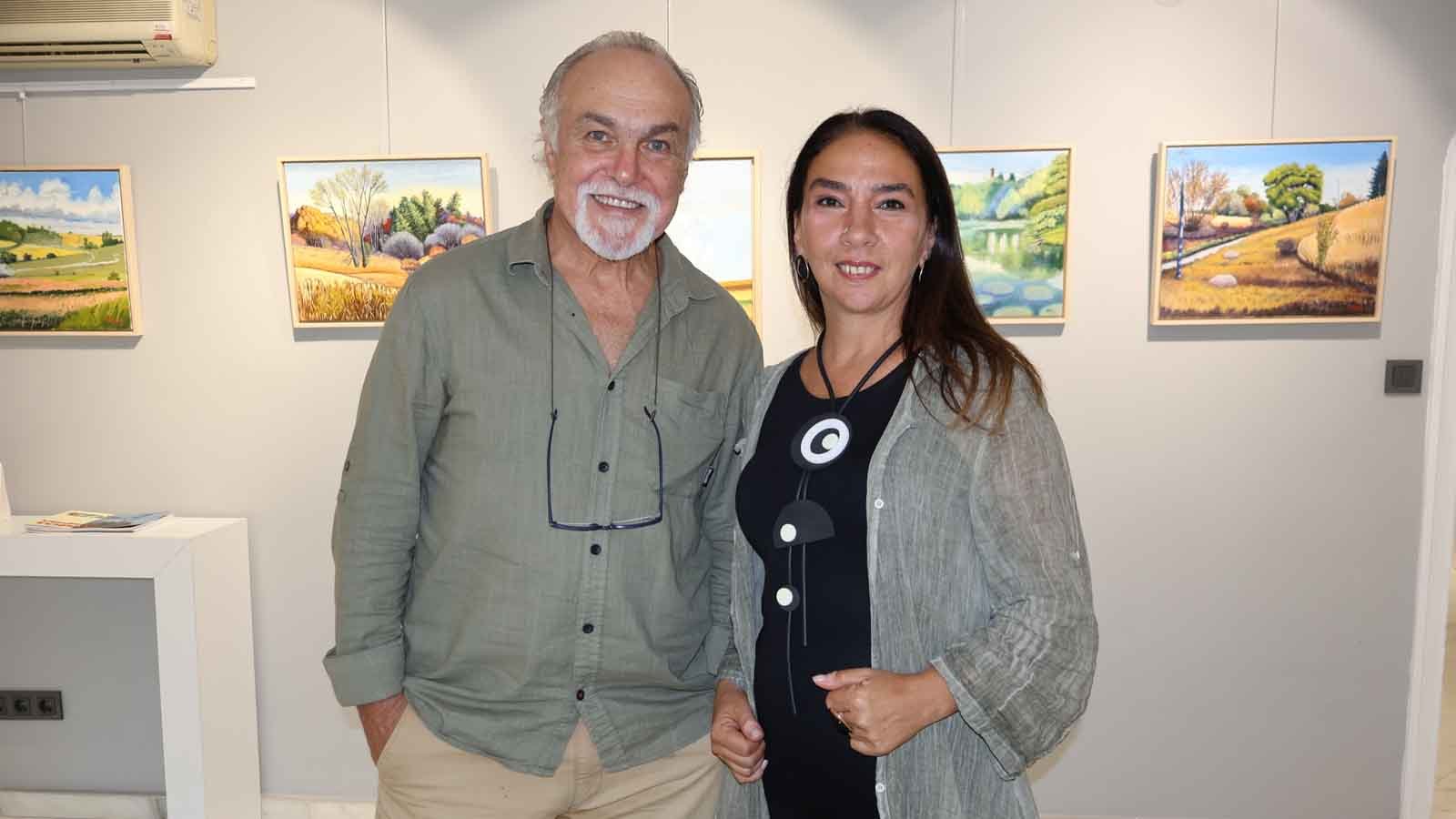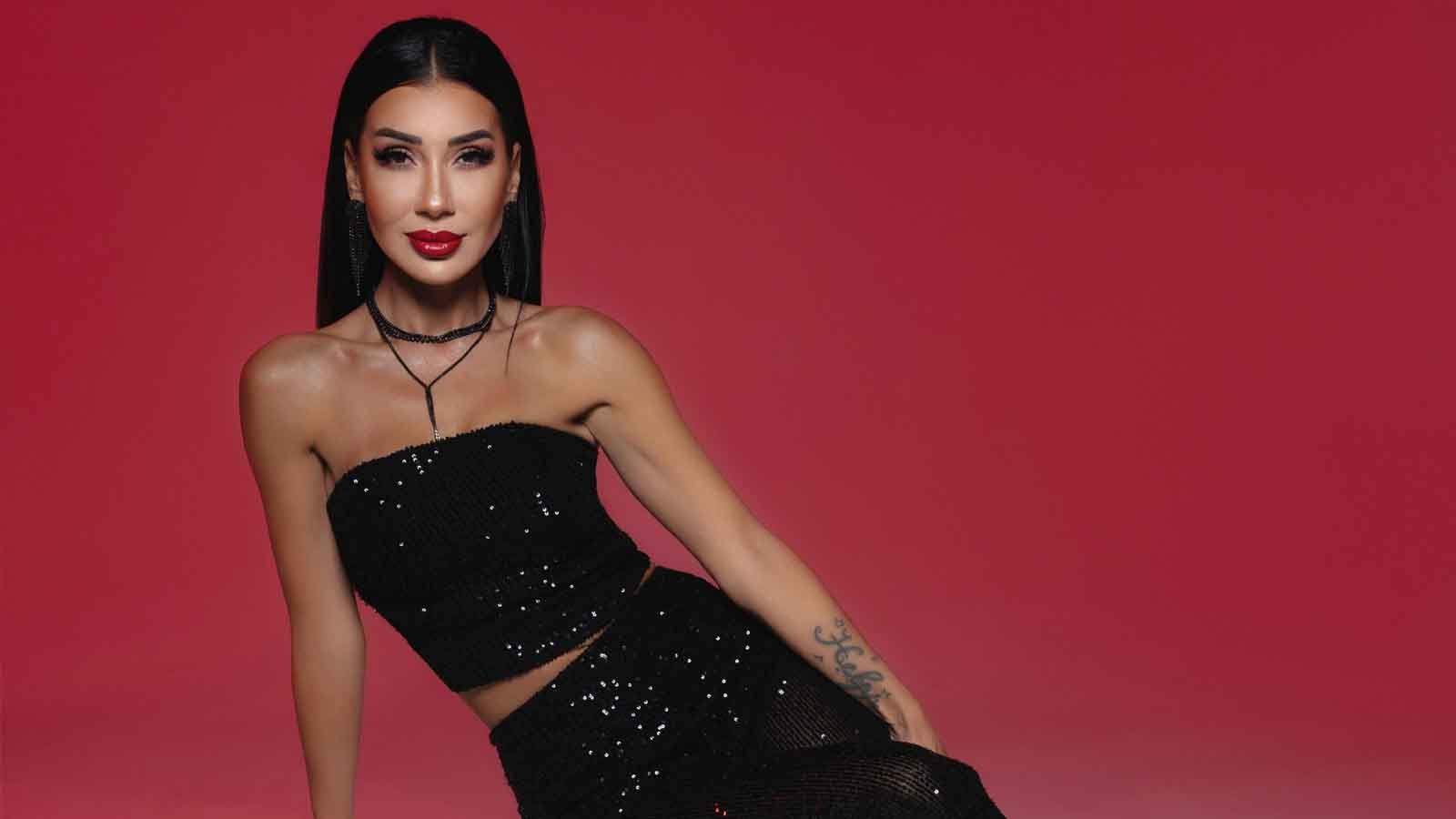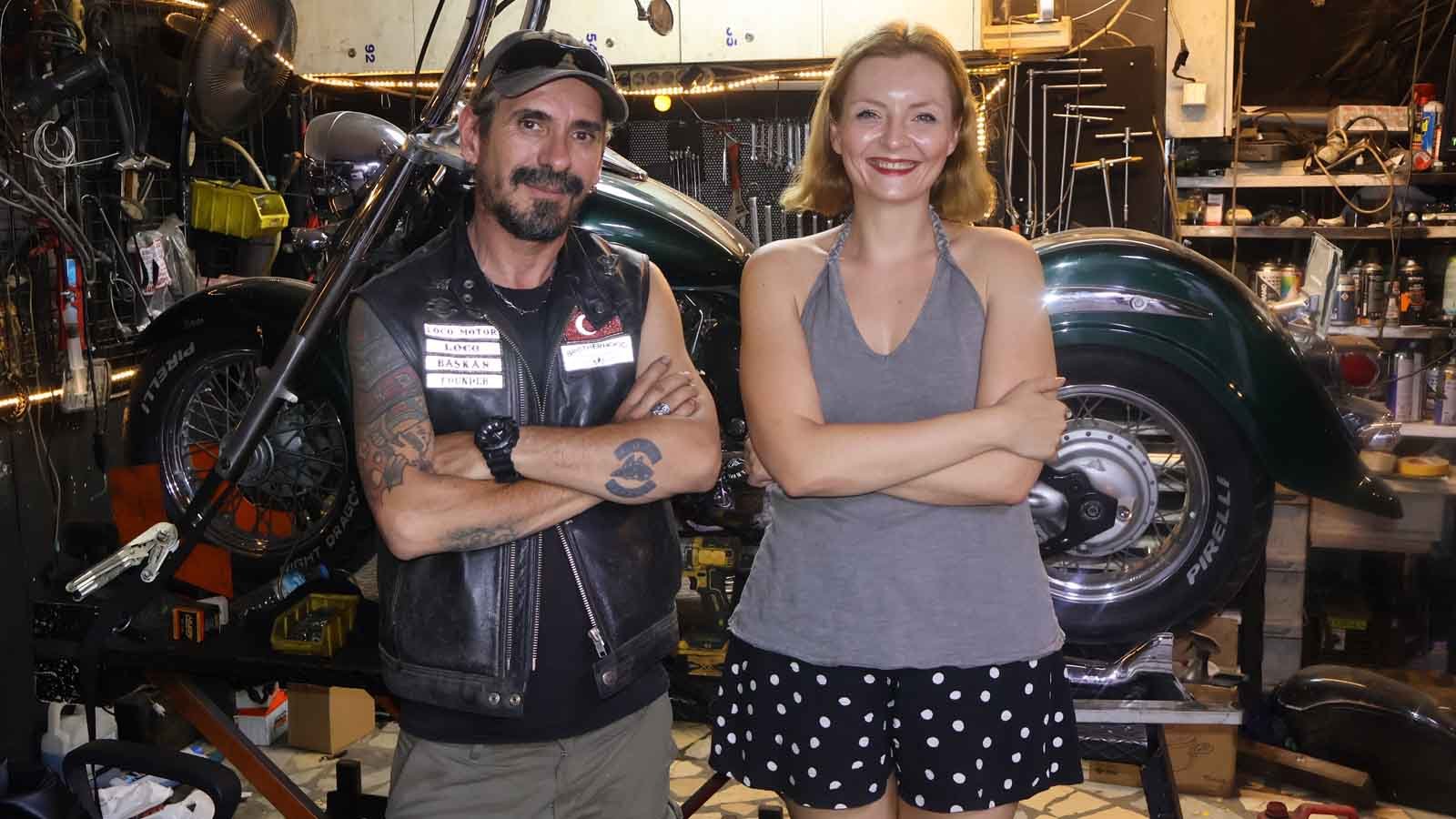
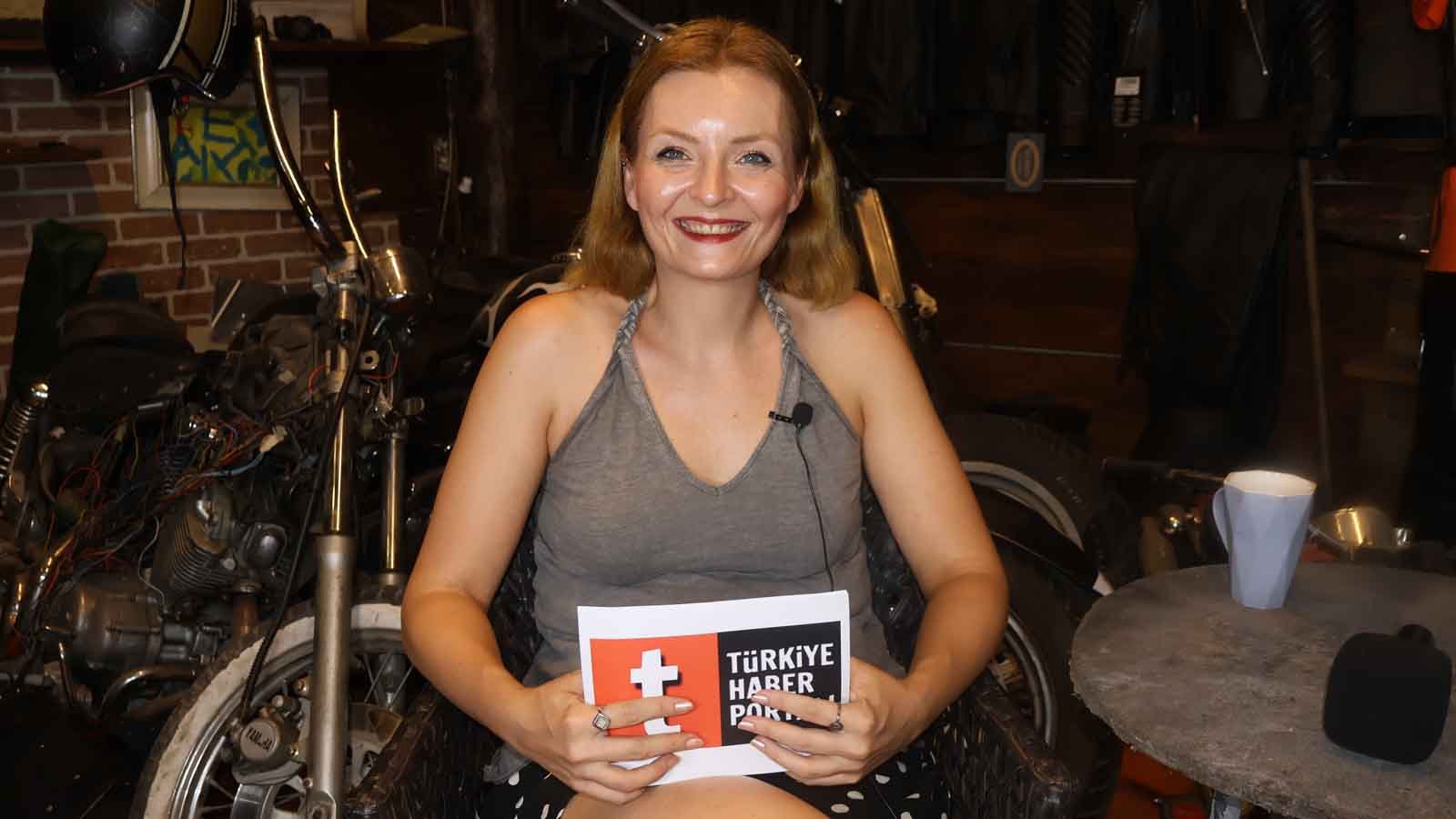
In the 111th episode of the program “With Eylül Aşkın…” prepared and presented by Eylül Aşkın, the guest was Kadir Kalkan, owner of Loko Motor Design Workshop, which has stood out in the motorcycle world for many years with its production, design, and stance. The interview, conducted at the workshop on Nabizade Street in Kadıköy Hasanpaşa, took shape after the two individuals’ acquaintance, which began with a chance encounter. As Eylül Aşkın relayed, a conversation that began at a live music venue moved to a completely different place with the sentence “I build motorcycles,” and this encounter transformed into this special episode of the program.
Kadir Kalkan explains that his passion for motorcycles dates back over 30 years and is an inheritance from his family. Saying that his father rode motorcycles in his youth and that’s how he met his mother, Kalkan emphasizes the unbreakable nature of this bond with the words, “For as long as I can remember, I have been riding motorcycles.” Kalkan, who recounts pressing his face against the windows of motorcycle shops in Kızıltoprak as a child, says he got his first motorcycle during his high school years, when he started with mopeds.
Clearly stating that a motorcycle is much more than just a vehicle for him, Kalkan reveals his emotional connection by saying, “This is a lifestyle for me. When I don’t ride a motorcycle, it’s as if I haven’t taken an antidepressant; my antidepressant is the motorcycle.” He says that riding for many years has been his way of dealing with stress in life.
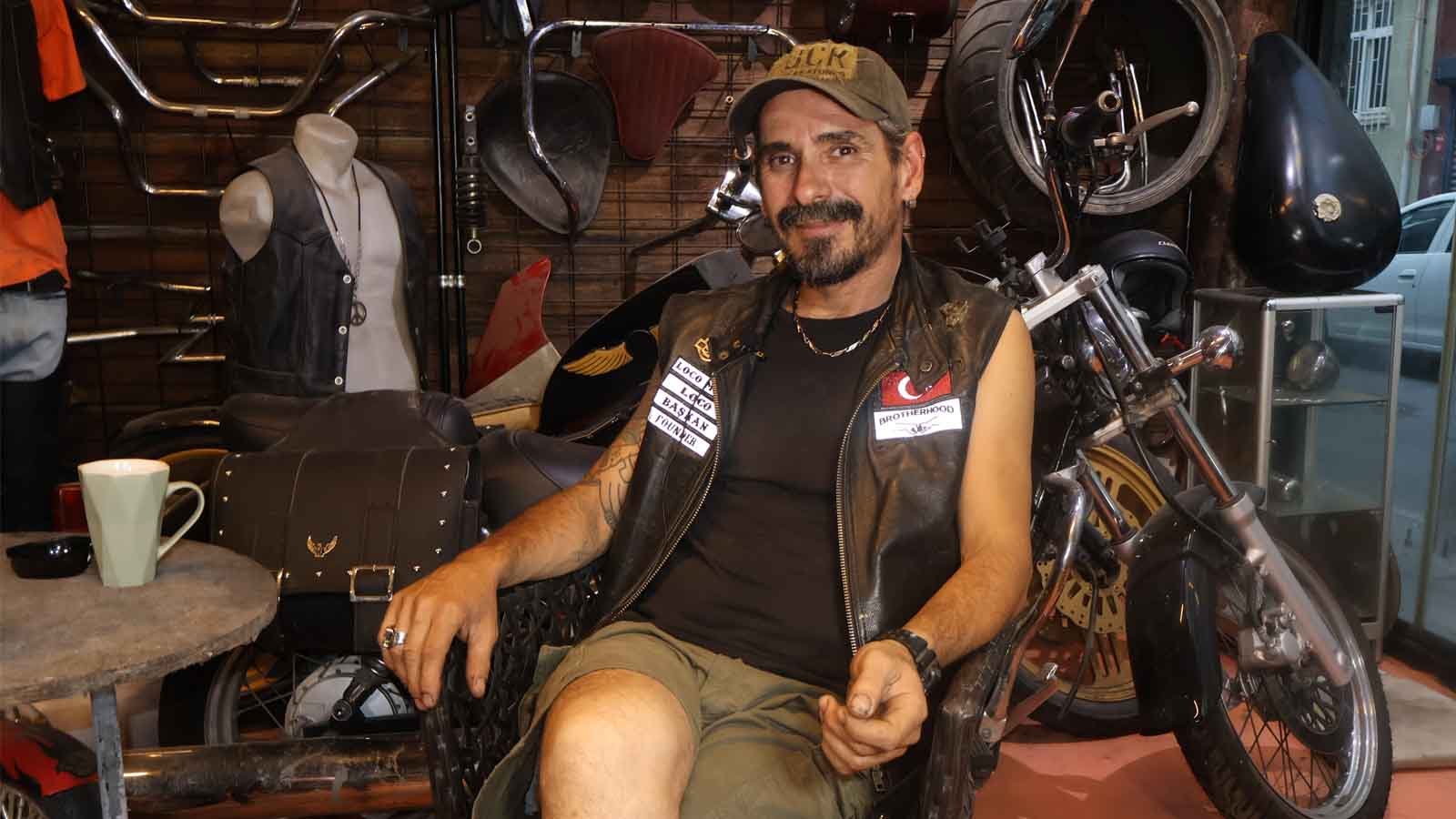
The process of establishing the workshop took shape as a result of lived experience. Kalkan explains that during times when service shops were scarce, they maintained their motorcycles themselves and over time began producing many parts themselves, from exhaust pipes to handlebars, seats to bags. One day, a master told him he had done a “very solid scratch repair,” Kalkan recalls, emphasizing how much of an ordeal it is for a motorcycle to break down on the road. After this event, he says he opened his own workshop, declaring, “I can do this job better than you.” He states that he has been doing this professionally since 2005, turning his hobby into a profession.
According to Kadir Kalkan, the most important criterion for a good motorcycle is very clear: not breaking down on the road. “A motorcycle is not like a car. When it breaks down, you can’t lock it up and leave. You either have to push it or wait for a rescue,” says Kalkan, emphasizing that pushing a motorcycle is a real torment. In his view, the best motorcycle is one that runs without problems and doesn’t leave its rider stranded.
Touching on the balance between aesthetics and performance in custom design, Kalkan likens the job to a “three-legged table”: visual appeal, durability, and safety. “If one of the three is missing, that table won’t stand,” says Kalkan, expressing that a motorcycle that looks good must also be safe and trouble-free. He explains that although chassis production is not legally possible in Turkey, they can produce personalized solutions on existing motorcycles in many aspects, from handlebars to fuel tanks, tires to the transmission system.
One of the most special projects he undertook at his workshop is a motorcycle he designed from scratch for a deceased friend. Kalkan recounts that he handcrafted every part of this motorcycle, from its tank to its wheels, from its fenders to its details, and that his friend passed away just before its completion. He says this motorcycle holds a special place for him. He mentions that his own motorcycle arrived in 67 crates of parts, and he processed every single screw to bring it to its current state.
“My concern is not the motorcycle, but the man on it,” says Kalkan, stating that he shows the same care to every motorcycle. In his view, if the rider is valuable, then that motorcycle is already valuable. This approach forms the basic philosophy of the work in his workshop.
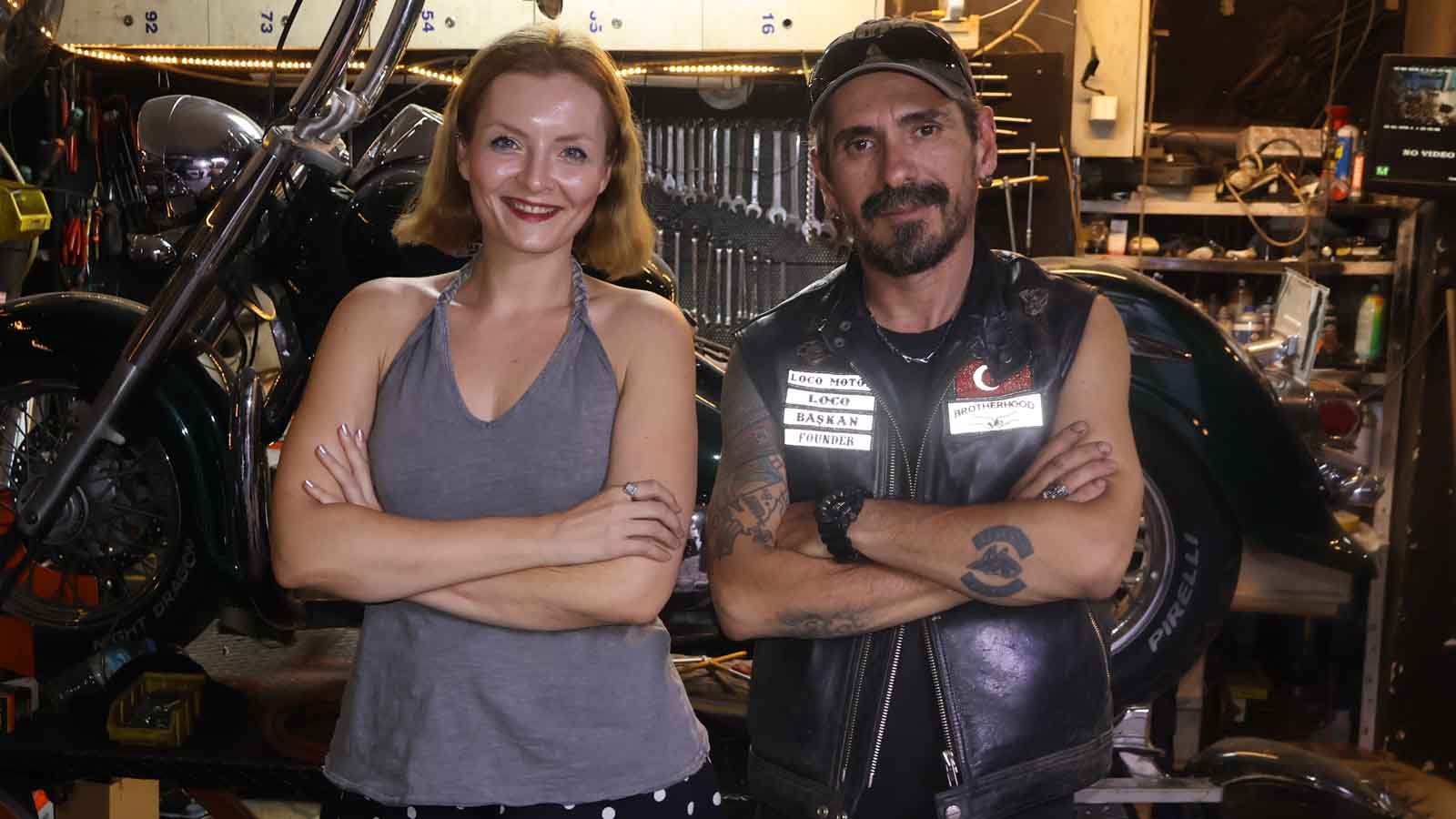
One of the important topics of the conversation is motorcycle communities and the culture of brotherhood. Kalkan defines their club not as a “multi-man” but as a “multi-brother” structure. He explains that they are a boutique club of about 15-16 people who ride together, go to concerts, set up camps, and share life. The phrase, “You can’t choose your blood brother, but you can choose your motorcycle brother,” summarizes the spirit of this culture.
The invisibility of motorcyclists in traffic is an issue Kalkan particularly emphasizes. He illustrates with a real-life example how a driver applying lipstick without looking in the mirror endangers a motorcyclist’s life, stating, “There’s no ‘sorry’ there; I could die.” Therefore, he emphasizes that his motorcycle is large, bright, and loud; this is not about showing off, but about being visible and surviving.