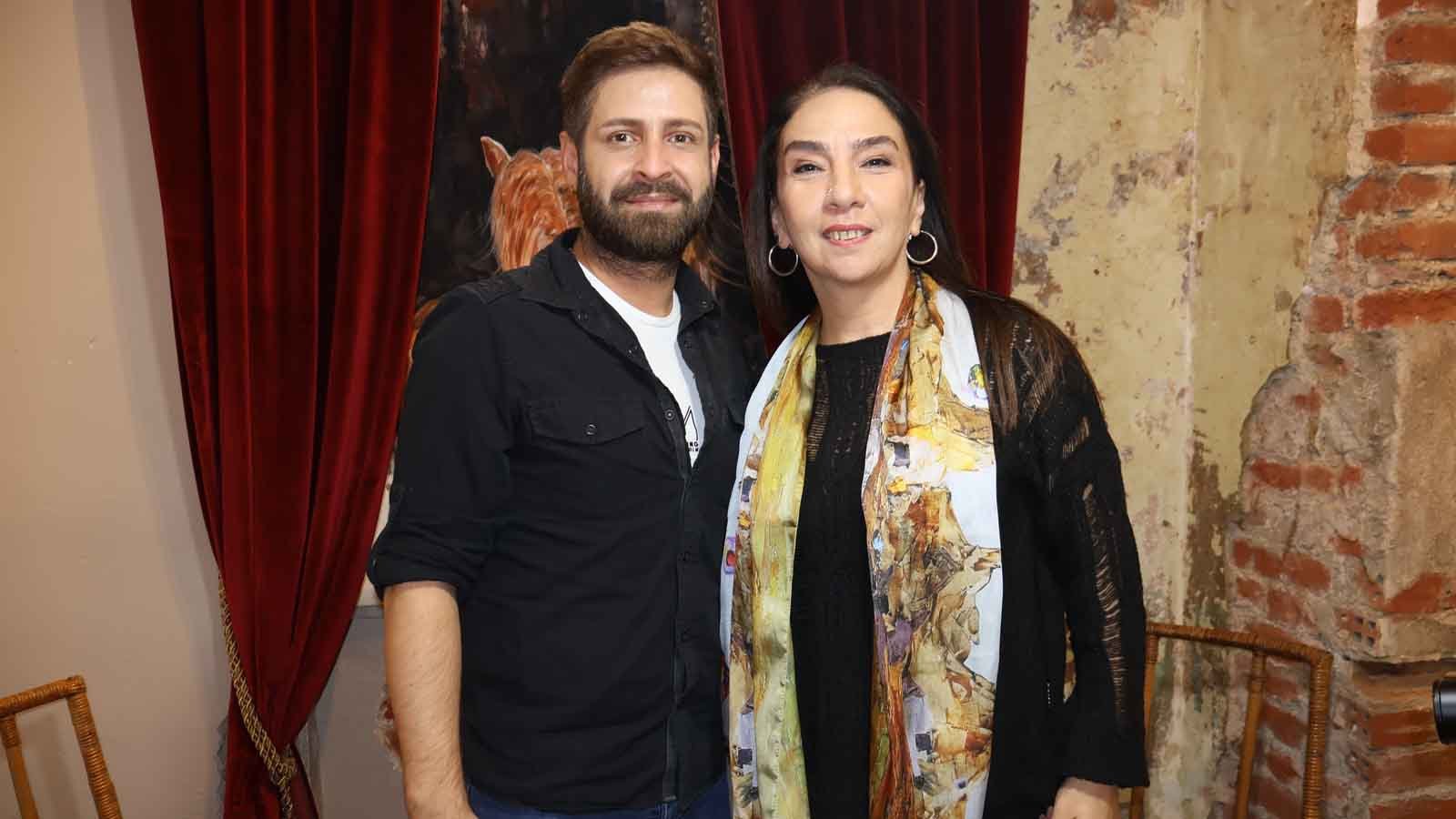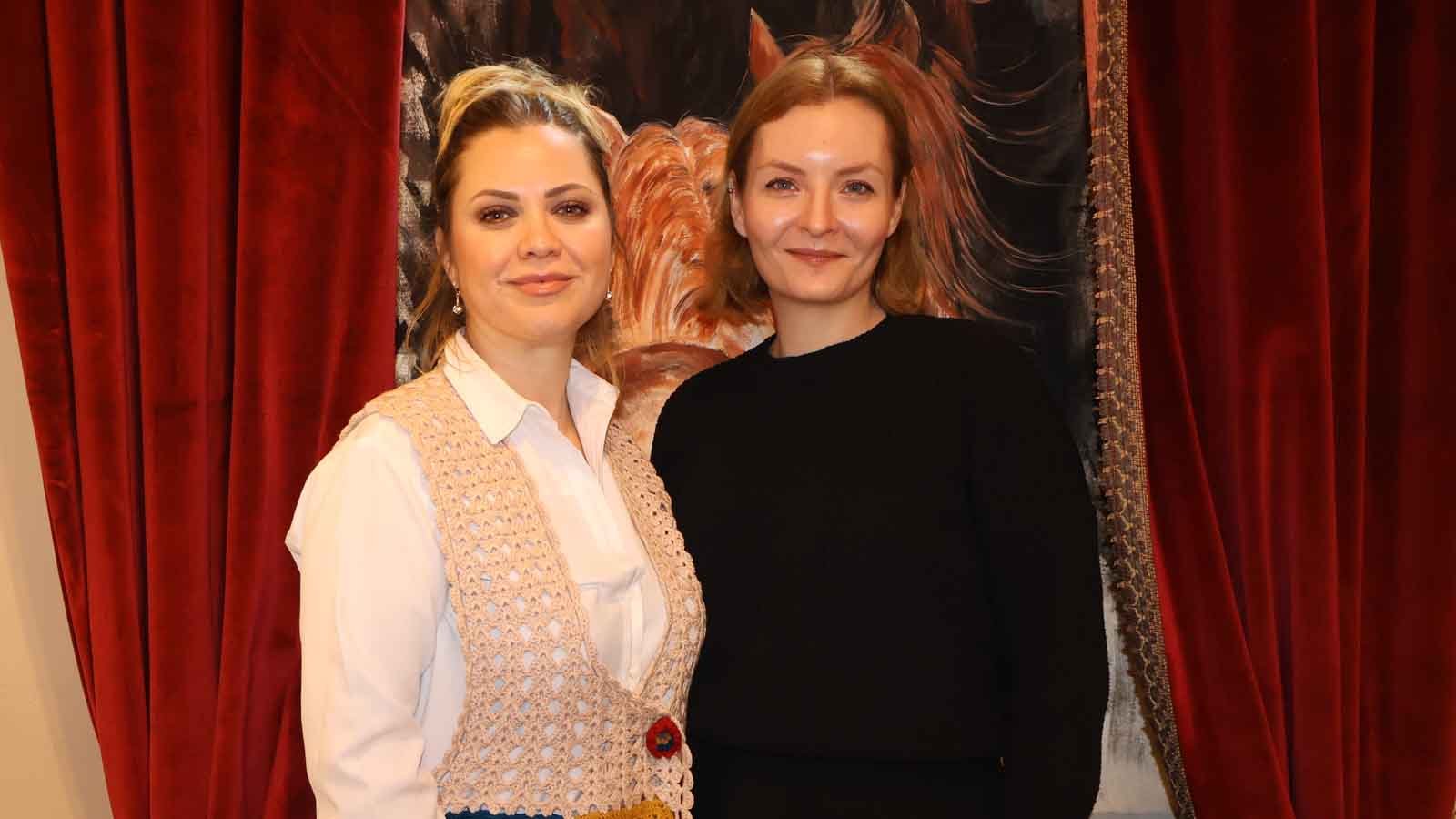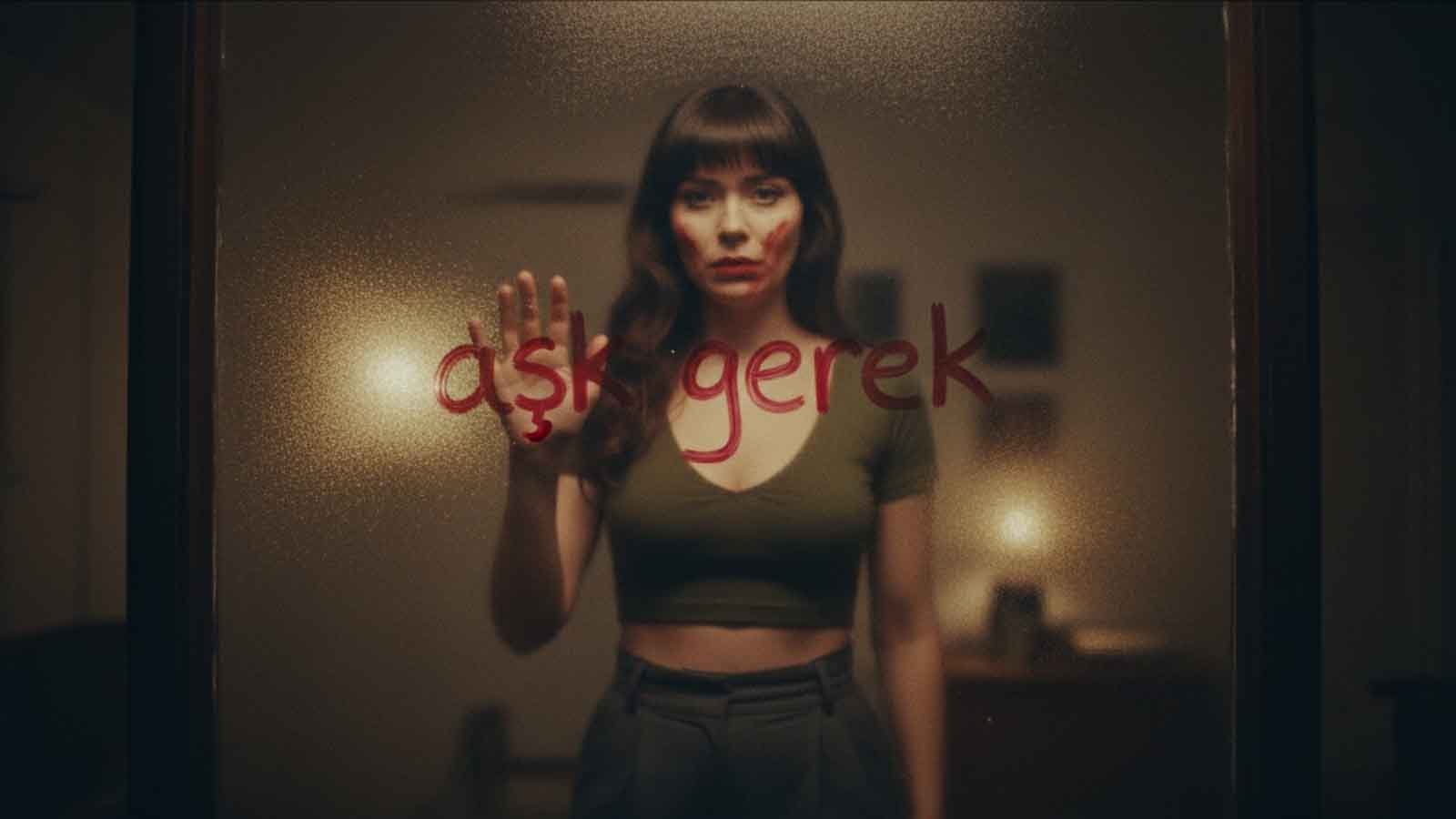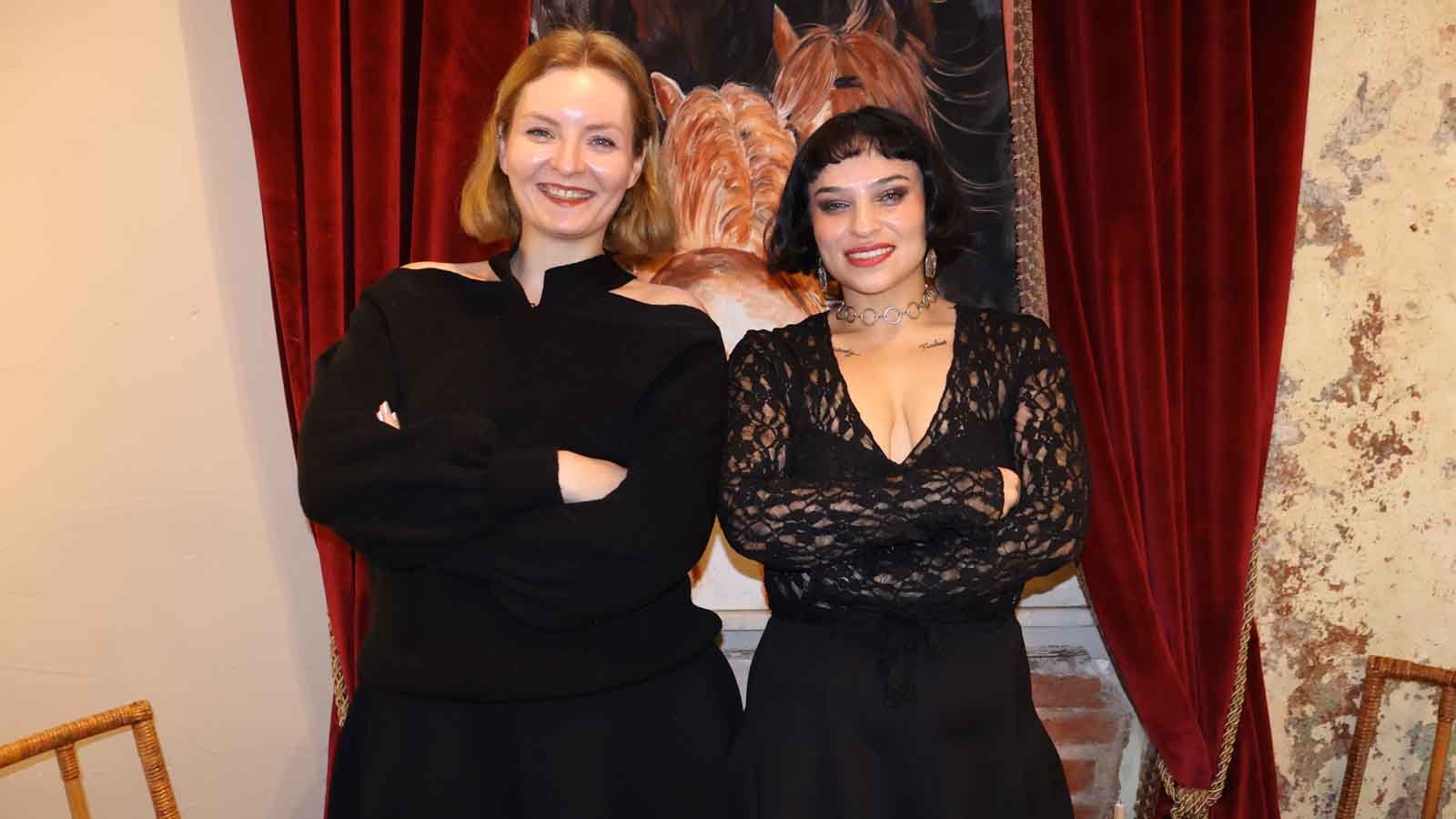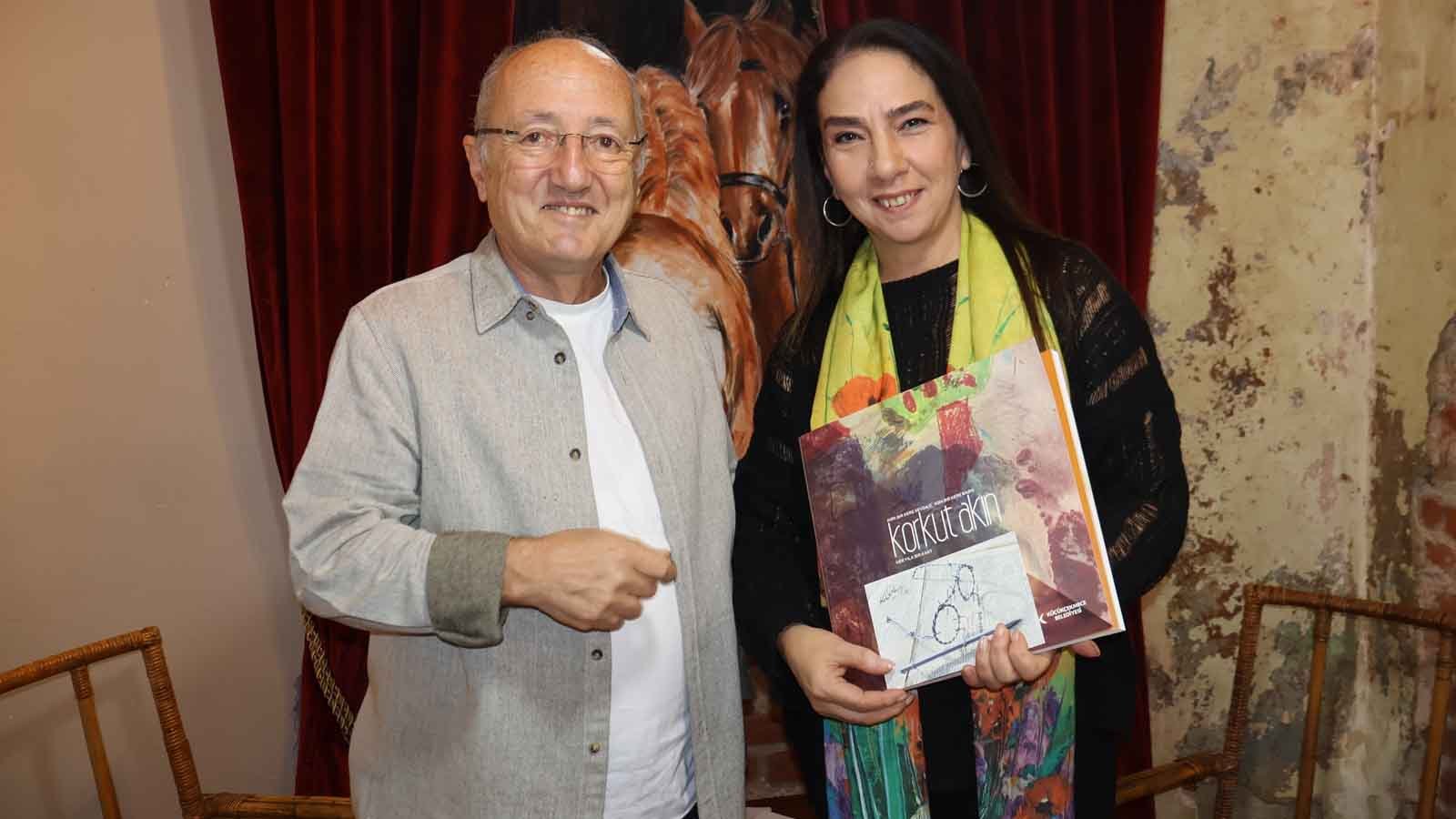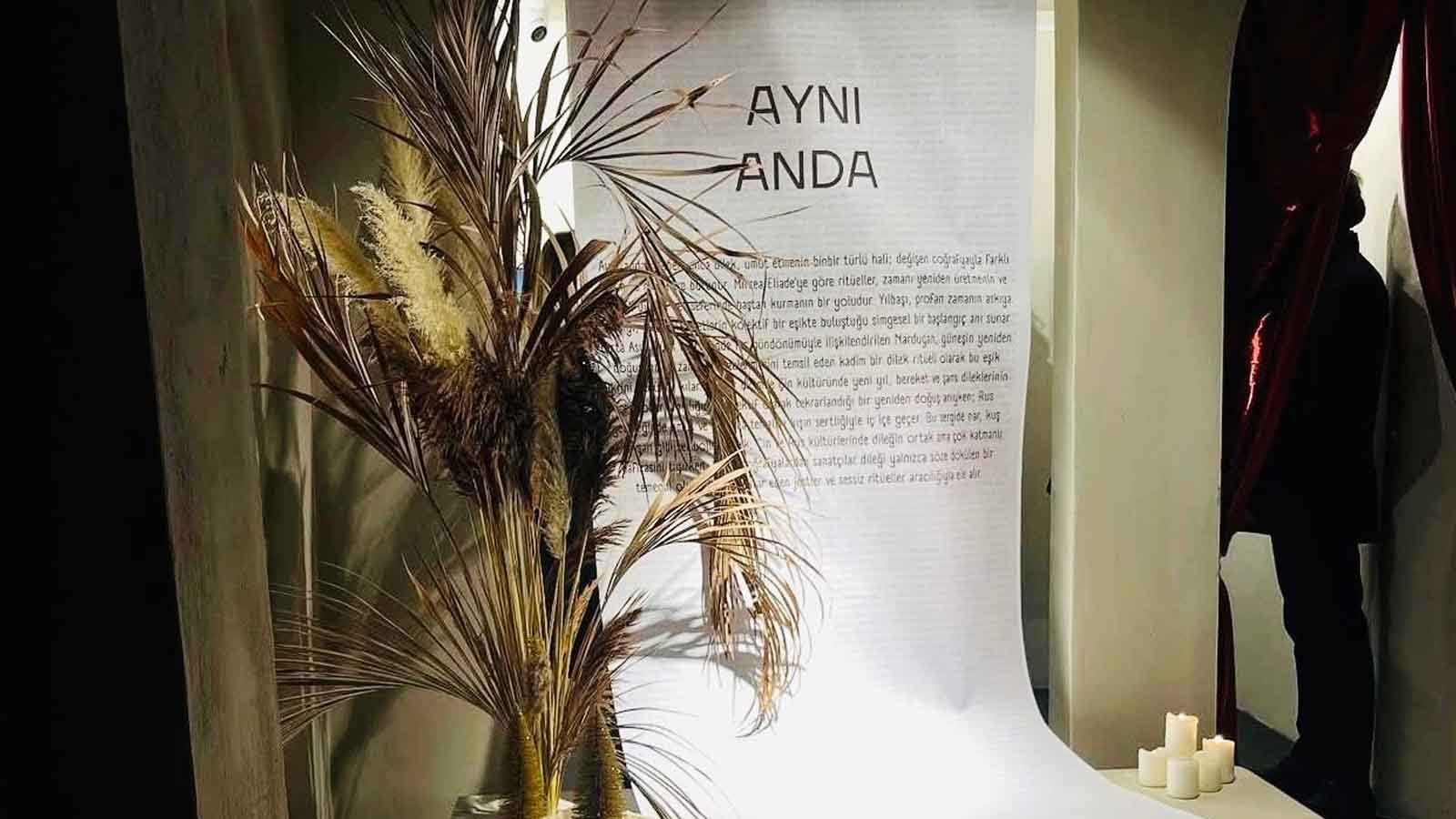
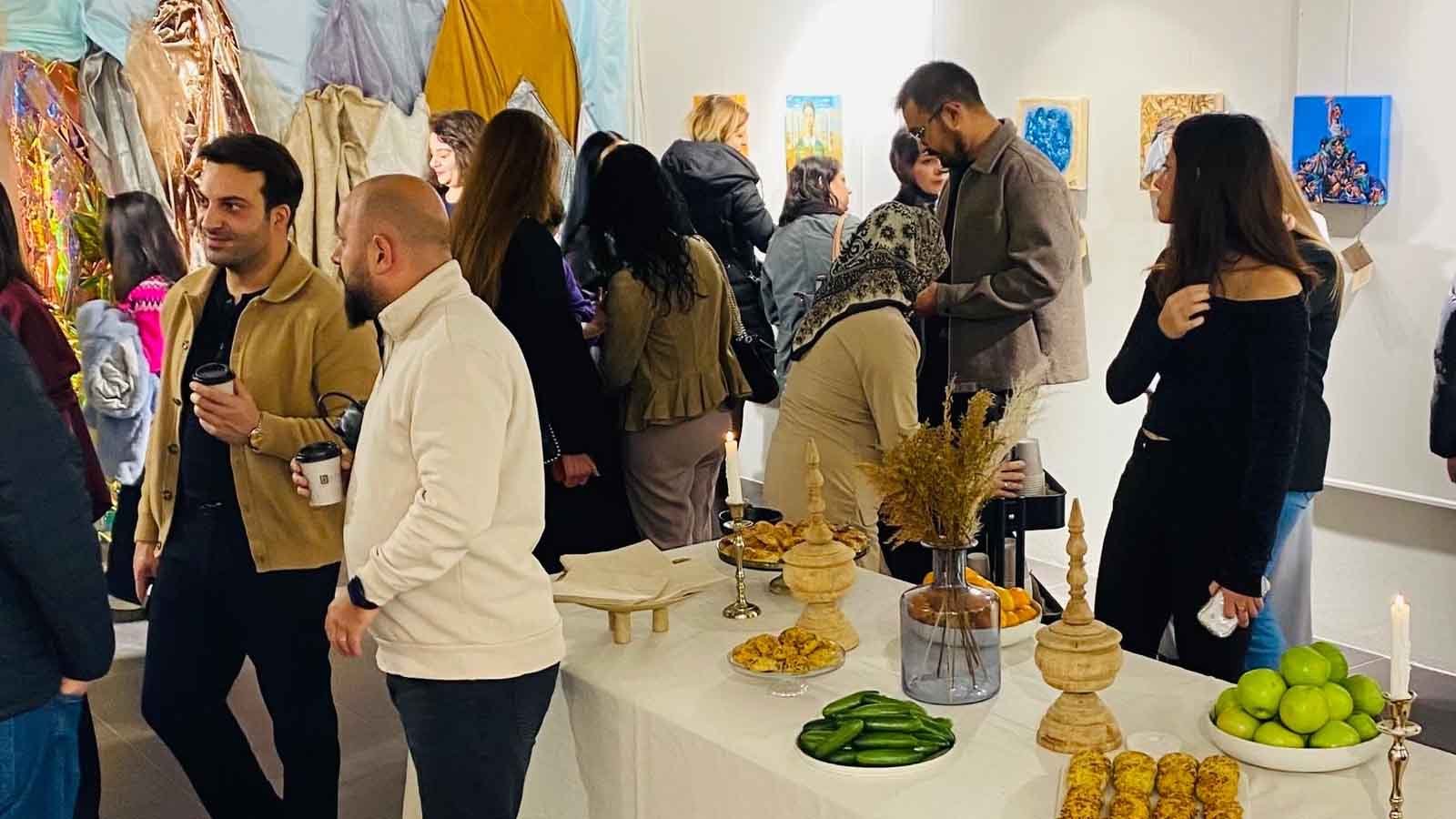
Bohe Sanat, Ankara’s new art venue, is hosting the exhibition “Aynı Anda” (At the Same Time), which examines new year rituals from different cultures through a contemporary art perspective. Curated by Bengüsu Aleyna Demirci, the exhibition opened to art lovers on December 25th.
As Bohe Sanat’s second exhibition, “Aynı Anda” explores how wish, hope, and rebirth rituals across different geographies transform into a shared memory through contemporary art productions. All the artists featured in the exhibition created original works on canvas specifically for the exhibition’s theme.
From Cultural Rituals to a Contemporary Art Language
The exhibition approaches the new year not merely as a calendar transition, but as a symbolic moment of beginning where individual intentions meet on a collective threshold. Drawing its curatorial framework from Mircea Eliade’s thought that “rituals re-establish time,” “Aynı Anda” makes this threshold, where profane time is suspended, visible through an intercultural reading.
Nardugan, associated with the winter solstice in Central Asian Turkic culture; the idea of rebirth with symbols of fertility and luck in Chinese culture; and themes of protection and hope intertwined with winter in the Russian tradition form the conceptual backbone of the exhibition. Symbols such as pomegranates, birds, rabbits, and wolves represent the common yet multi-layered memory of wishing.
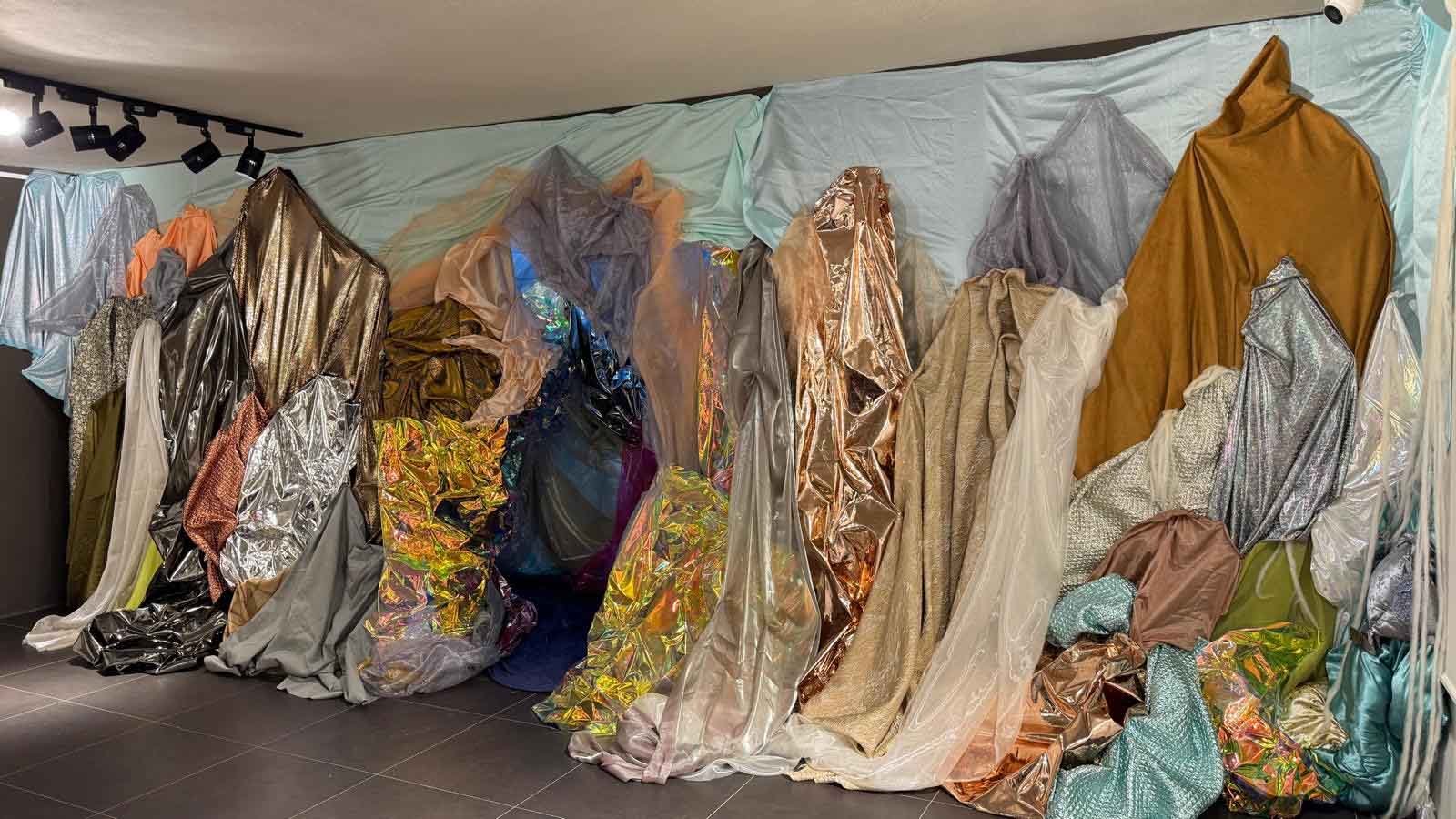
Site-Specific Installation:
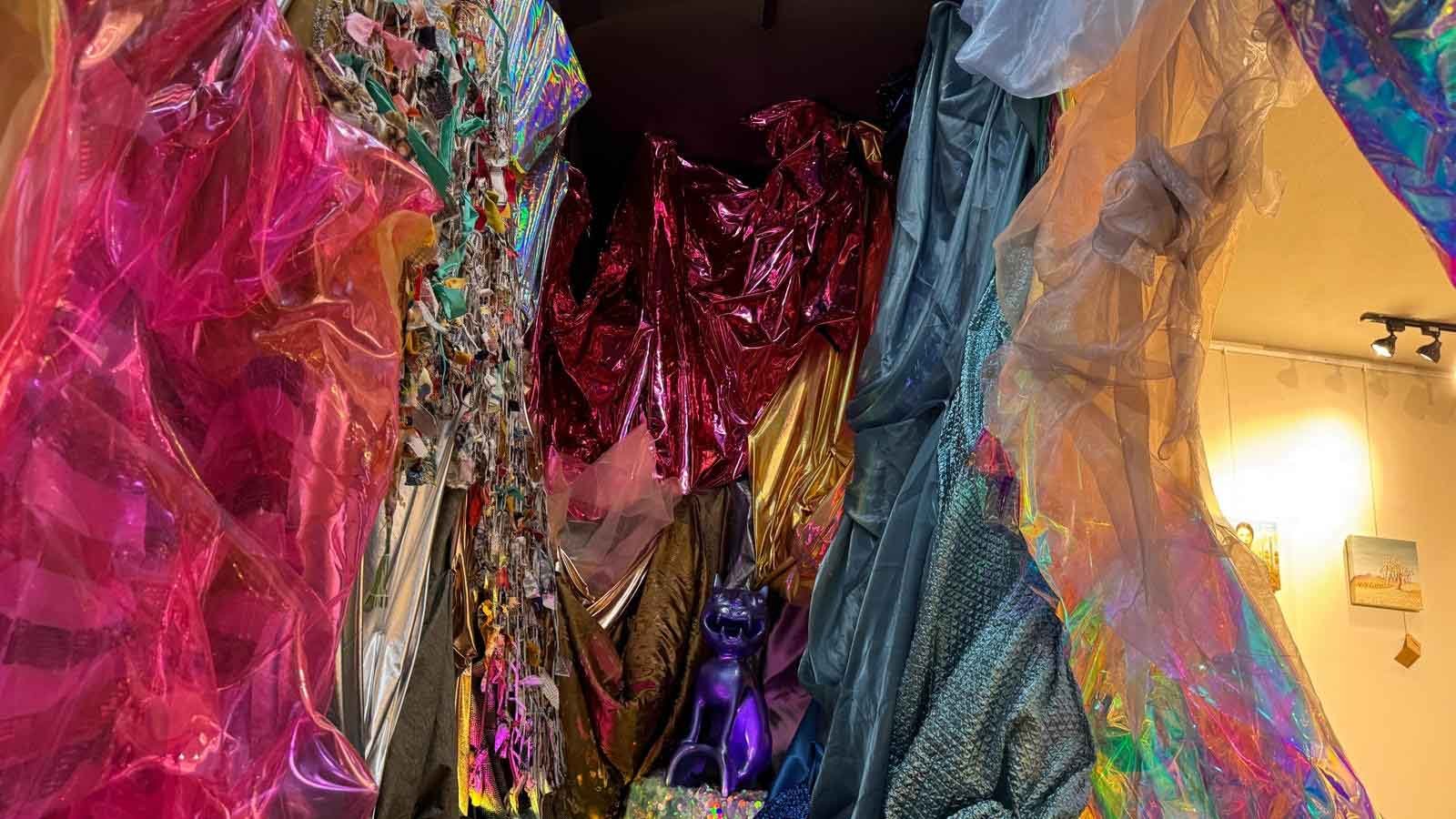
ANQI – Hiromita: Aynı Anda, Aynı Bağda (At the Same Time, In the Same Vineyard)
Artist ANQI, of Turkish-Taiwanese/Chinese origin, transforms wish rituals into a collective experience with audience participation through this installation specially designed for Bohe Sanat and the exhibition. The work, offering a contemporary interpretation of shamanic rituals through the tying of fabric pieces to nets, draws inspiration from the Goddess Nüwa in the Chinese creation myth.
By tying their wish or intention to the net, the viewer moves beyond being a passive observer. This process, where individual action becomes part of a collective structure, highlights the idea of togetherness in the fulfillment of wishes.
Highlighted Works from the Exhibition
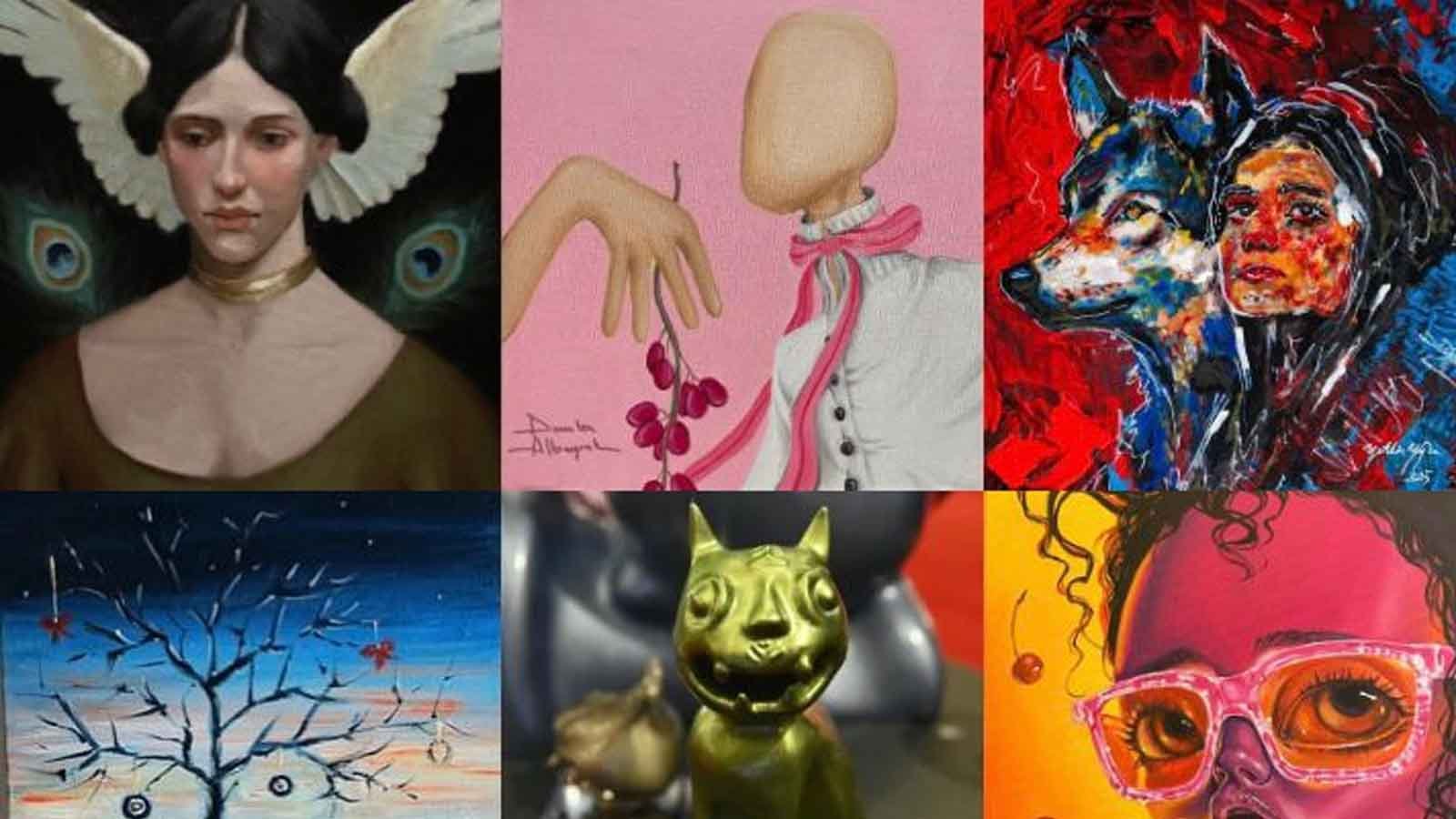
Yetkin Yağcı – Kutsal Eşlik (Sacred Companionship)
Bringing together a female figure and the wolf figure from Anatolia’s protective spirits, the work references the concept of “kut” (divine fortune/grace) in ancient Turkic culture, addressing themes of transformation and renewal.
Emre Efe – Amulet of Hope
Through wings and peacock eyes, the work explores ideas of hope, divine witness, and protection, interpreting the wish as a mystical inner amulet.
Ekrem Yılmaz – Umut (Hope)
Visualizes the ritualistic bond between happiness and hope through a couple conveying wishes with symbols of good fortune.
Damla Albayrak – Üzümü Yedim, Bekliyorum (I Ate the Grape, I’m Waiting)
Addressing the ritual of eating grapes on New Year’s Eve through the axis of individual wishes and collective hopes, the work reflects a state of silent anticipation.
Cryptomadonna – Dileğin Tadını Al (Taste the Wish)
Focusing on the feeling of the “first moment” carried by new beginnings, the work narrates small yet heartfelt wishes through the metaphor of a cherry.
Exhibition Information
Exhibition Name: Aynı Anda (At the Same Time)
Dates: December 25 – January 15
Venue: Bohe Sanat / Ankara
Curator: Bengüsu Aleyna Demirci
Instagram: @bohesanat
Artists:
Alsu Saygılı, Anastasiia Zakhareva, Anqi, Asya Alpay, Barış Demir, Burak Köse, Burcu Avanoğlu, Cryptomadonna, Çiçek Emektar, Damla Albayrak, Delal Tekin, Dilek Hasra, Ekrem Yılmaz, Elif Han Sezer, Emre Acar, Emre Efe, Esra Türk, Fatma Öztürk, Filiz Hallıoğlu, Gönül Aydın, Gülbuğ Mukaddes Kılınç, Gülfiraz Tunç, Hilal Arslan, Kadriye Karataş, Mehmet Fatih Şen, Meryem Duman, Nata Yılmaz, Nesibe Yakut, Onur Bekiroğlu, Özge Baydilli, Recai Öztürk, Seda Turgul, Selman Uzun, Sermihan Ünlü, Servet Tosun, Sevda Gül, Songül Ketizmen, Svetlana Akkan, Şeyda Canpolat, Tuğba Çağatay, Tuğba Kuvvetli, Yasemin Aydoğdu, Yetkin Yağcı, Tuğrul Sakınmaz, Ayşe Üner, Elmas Yalçın.