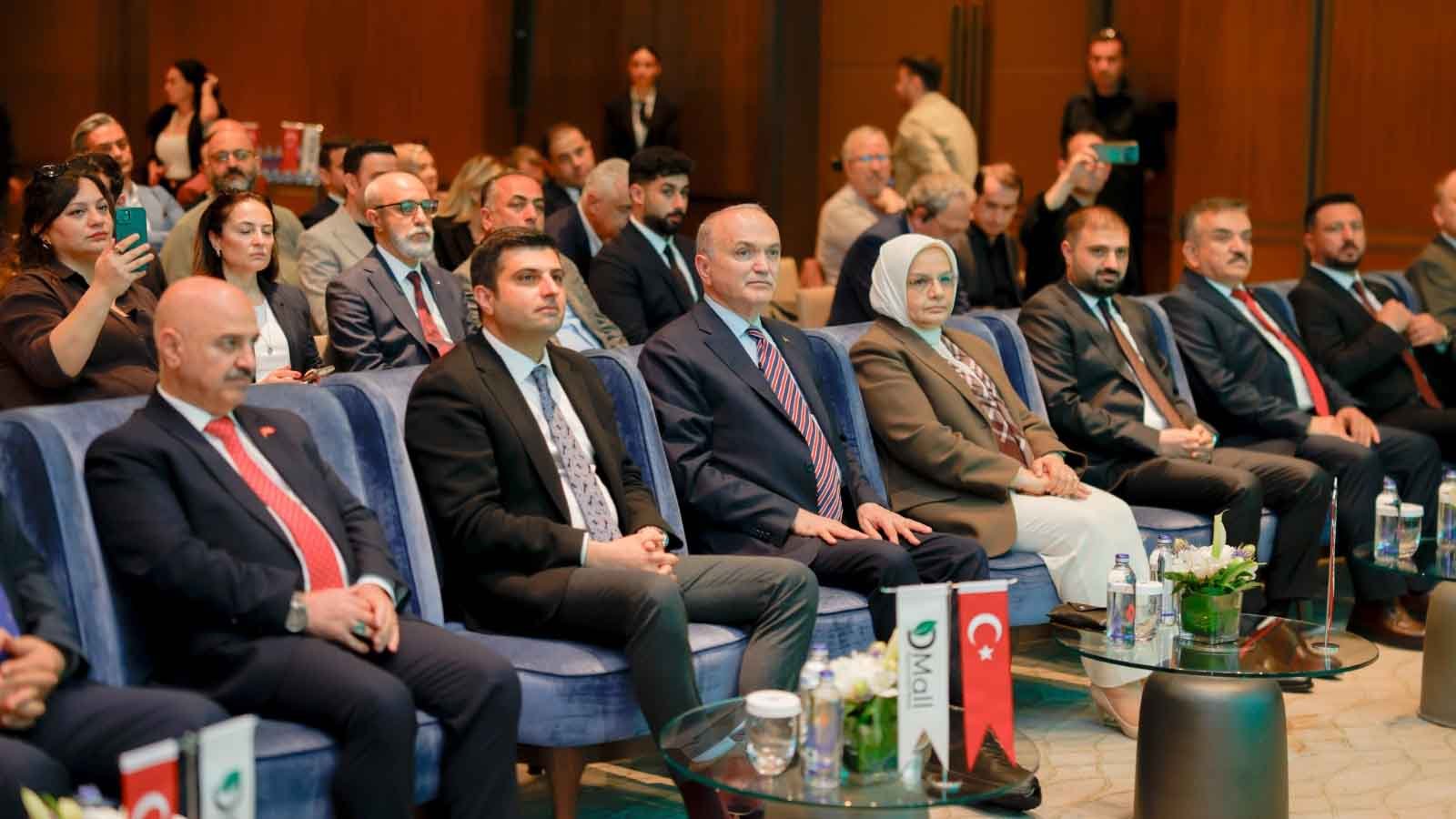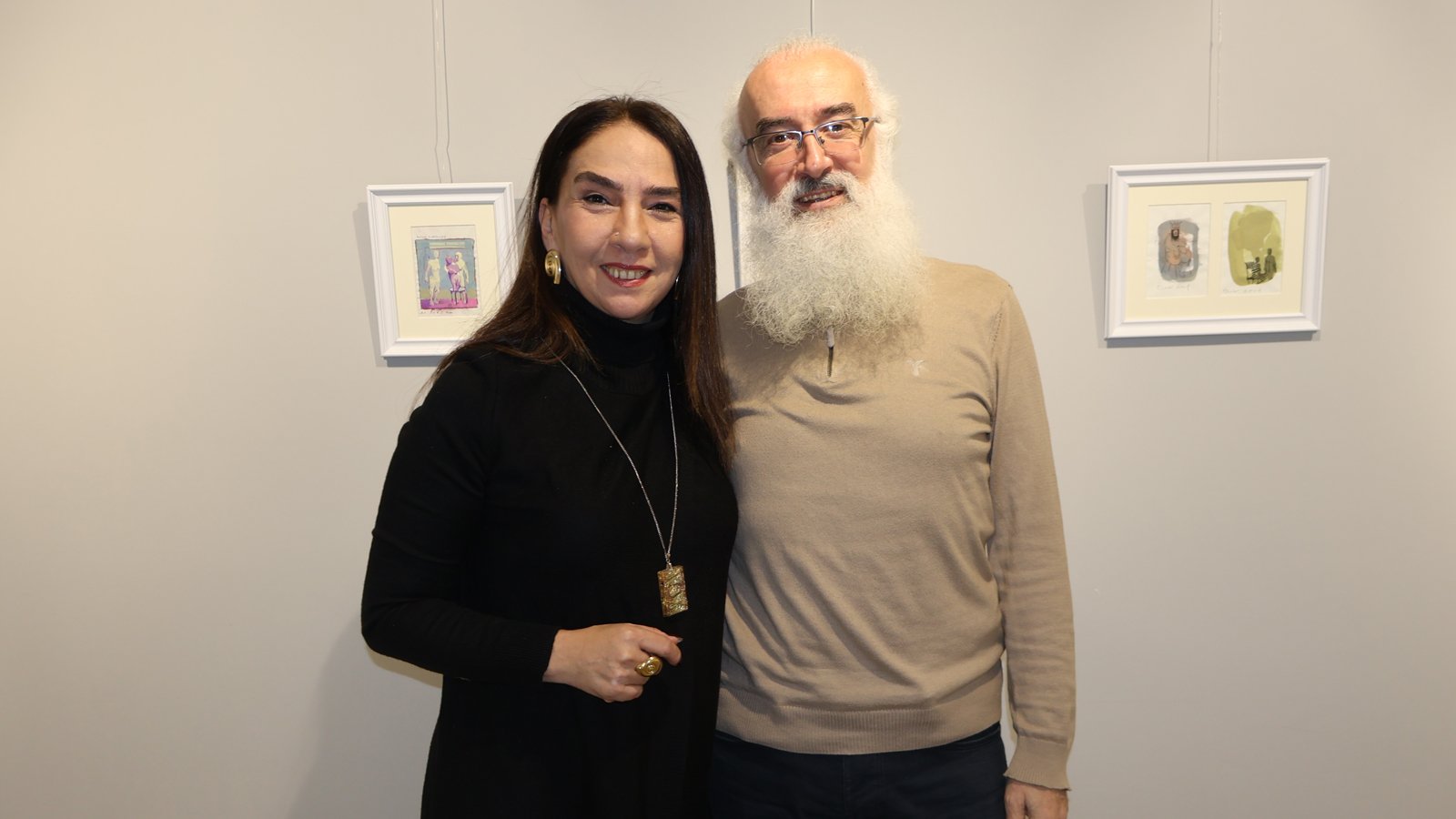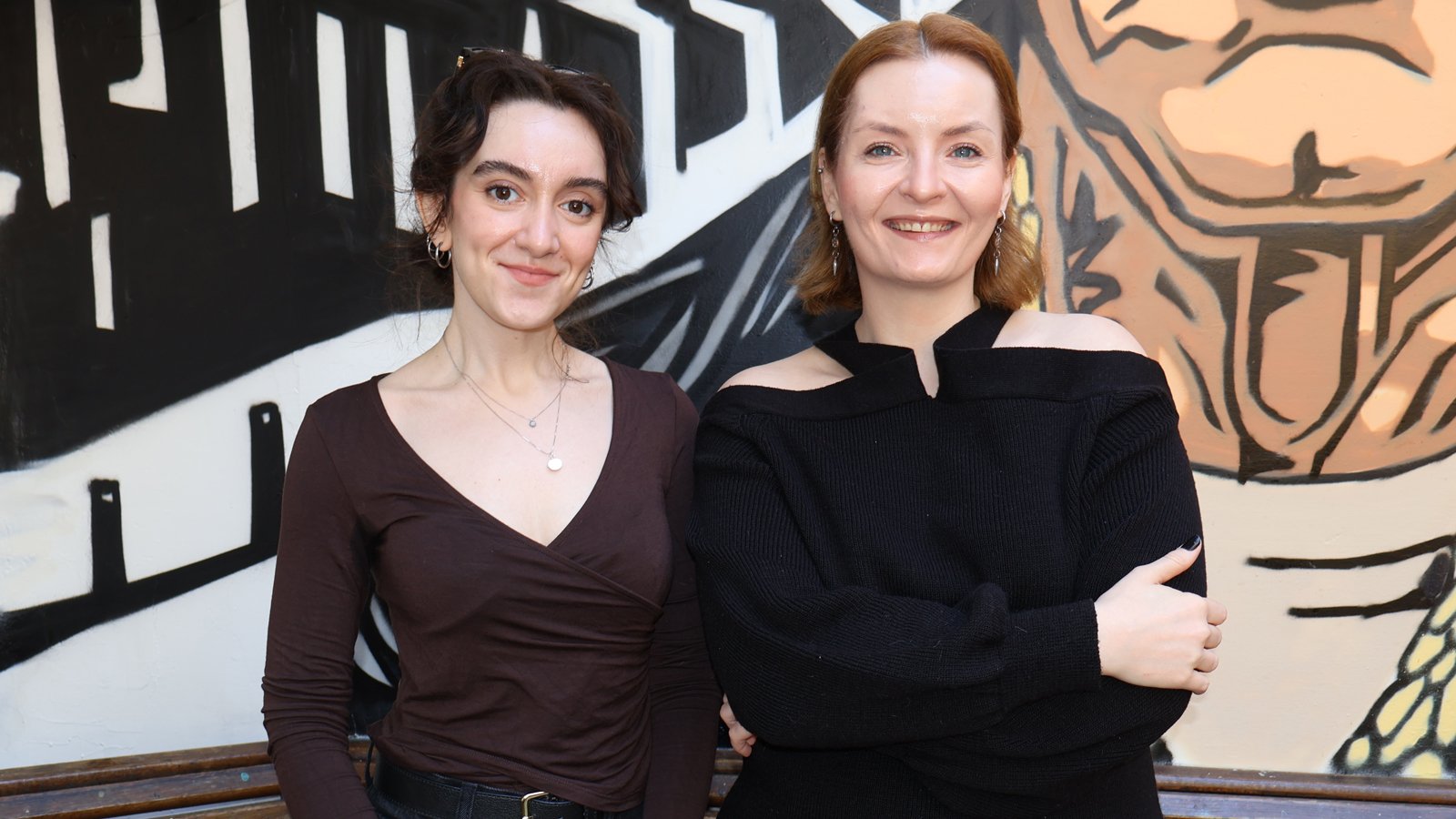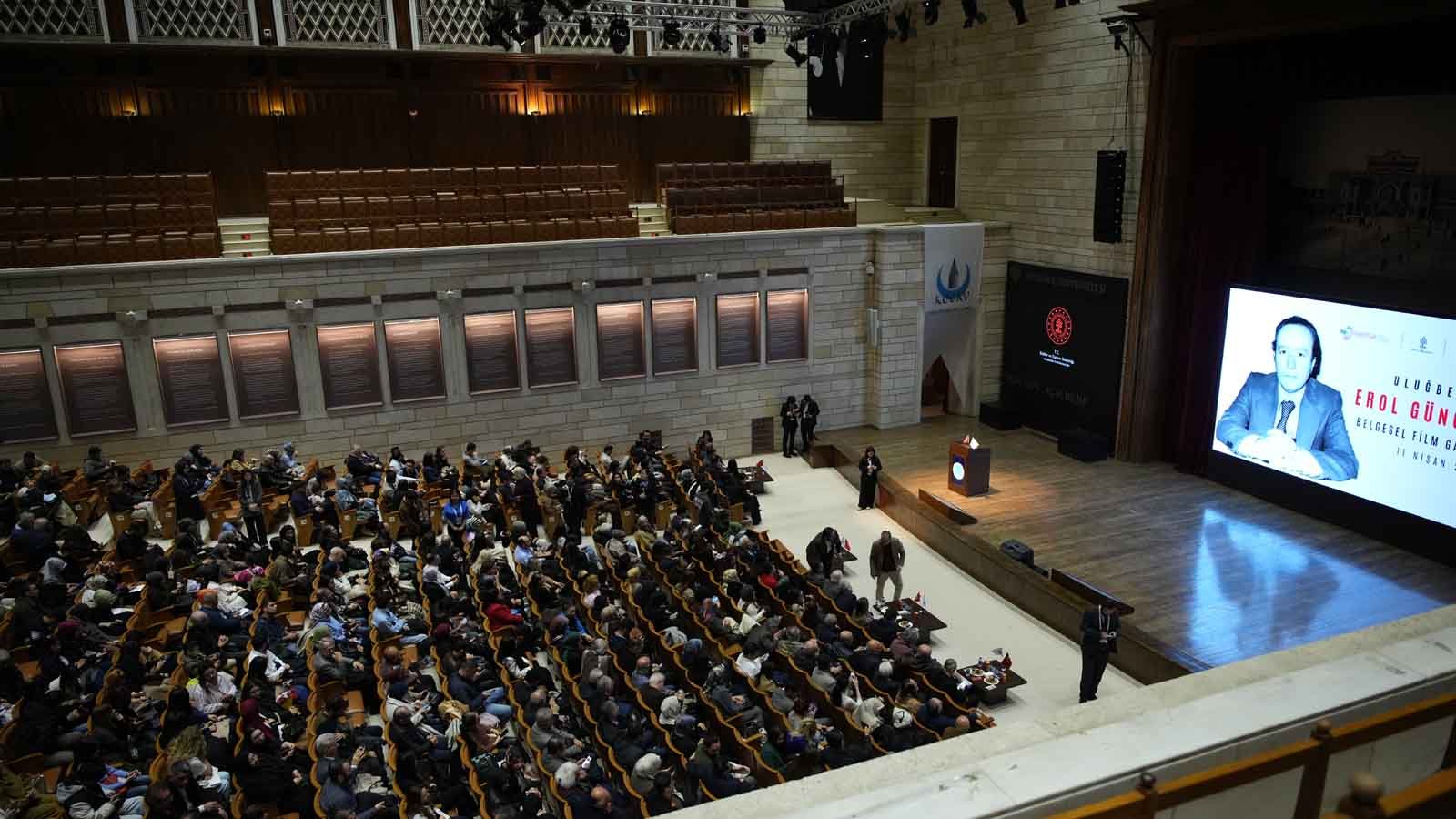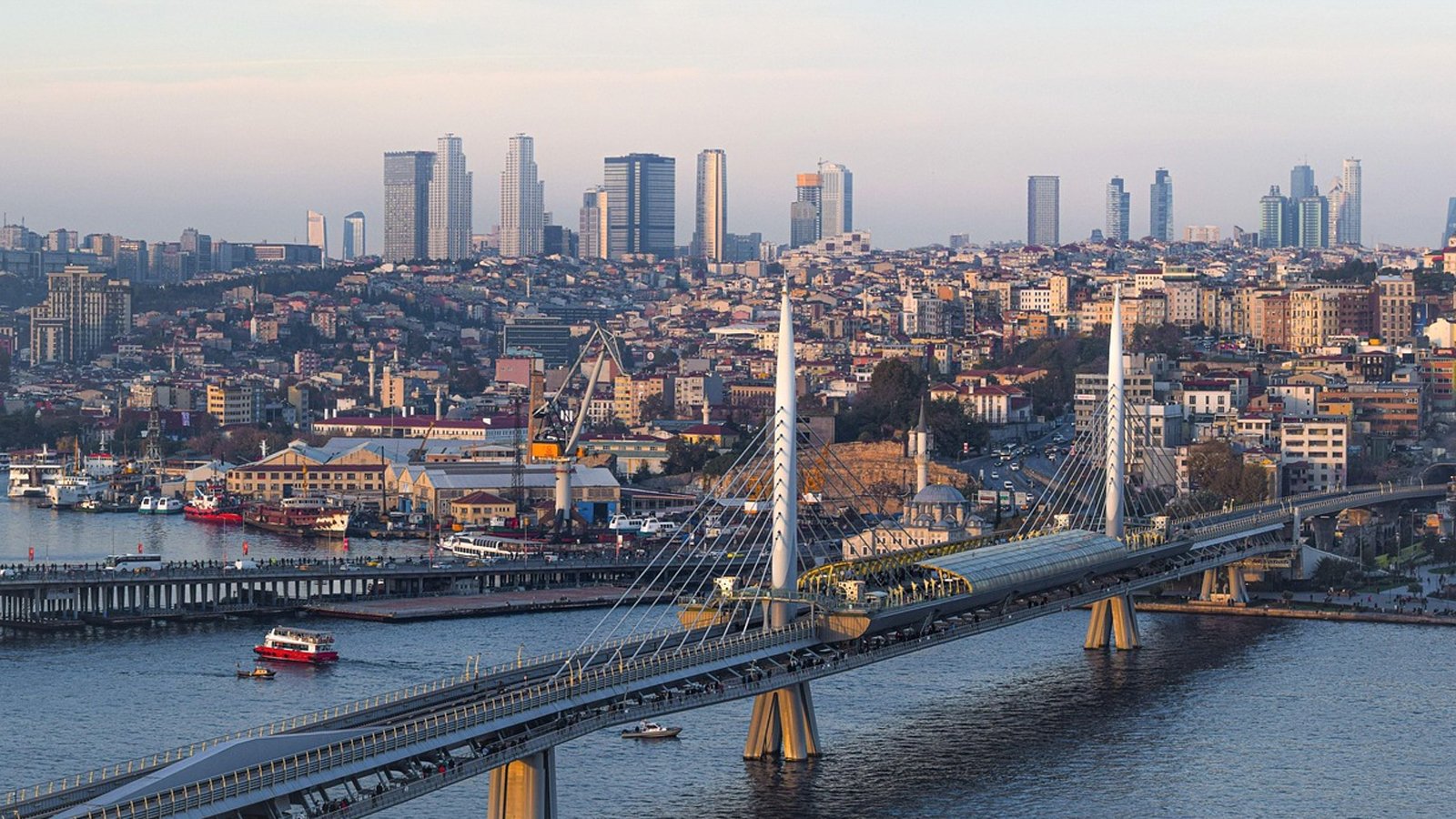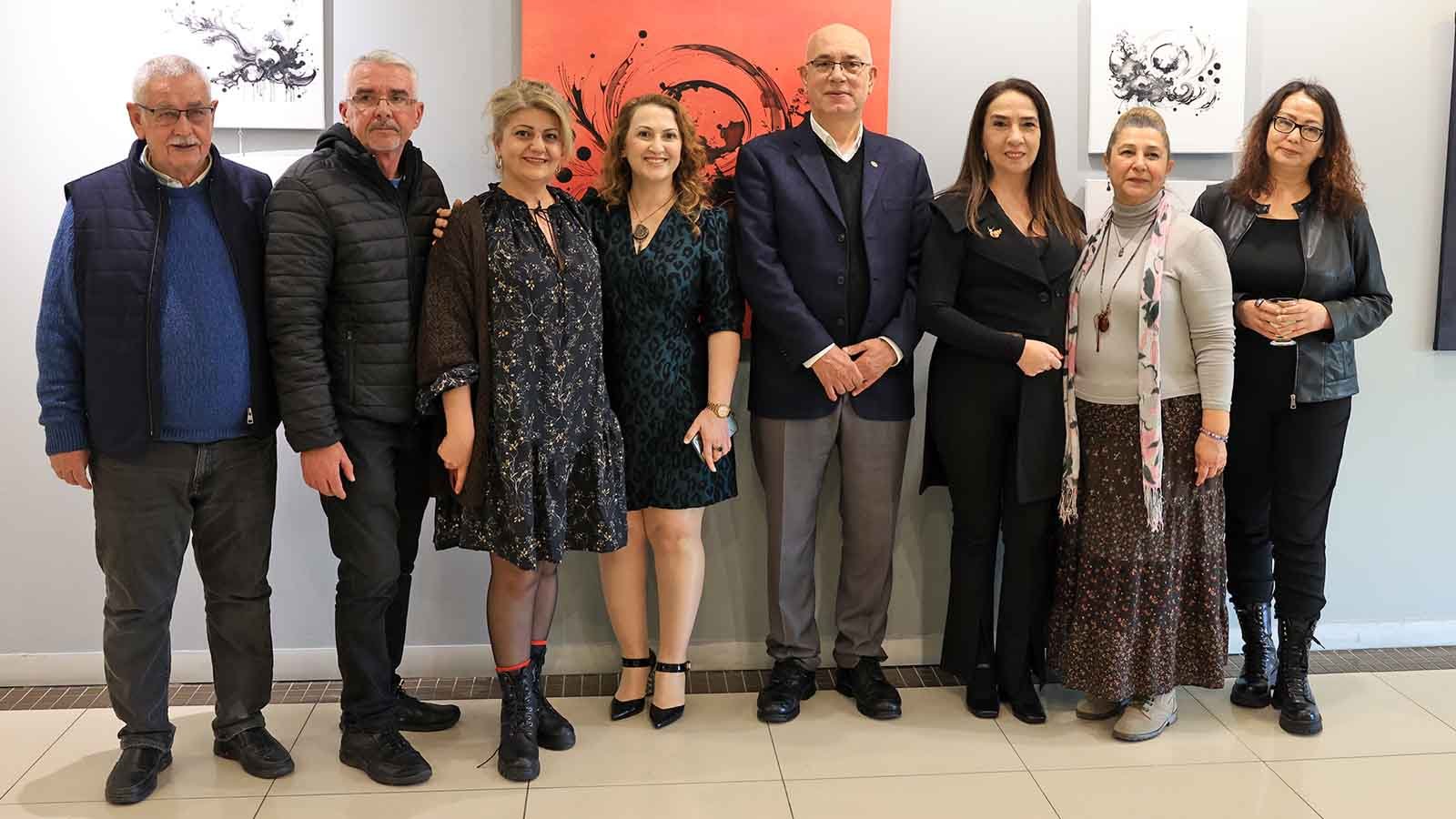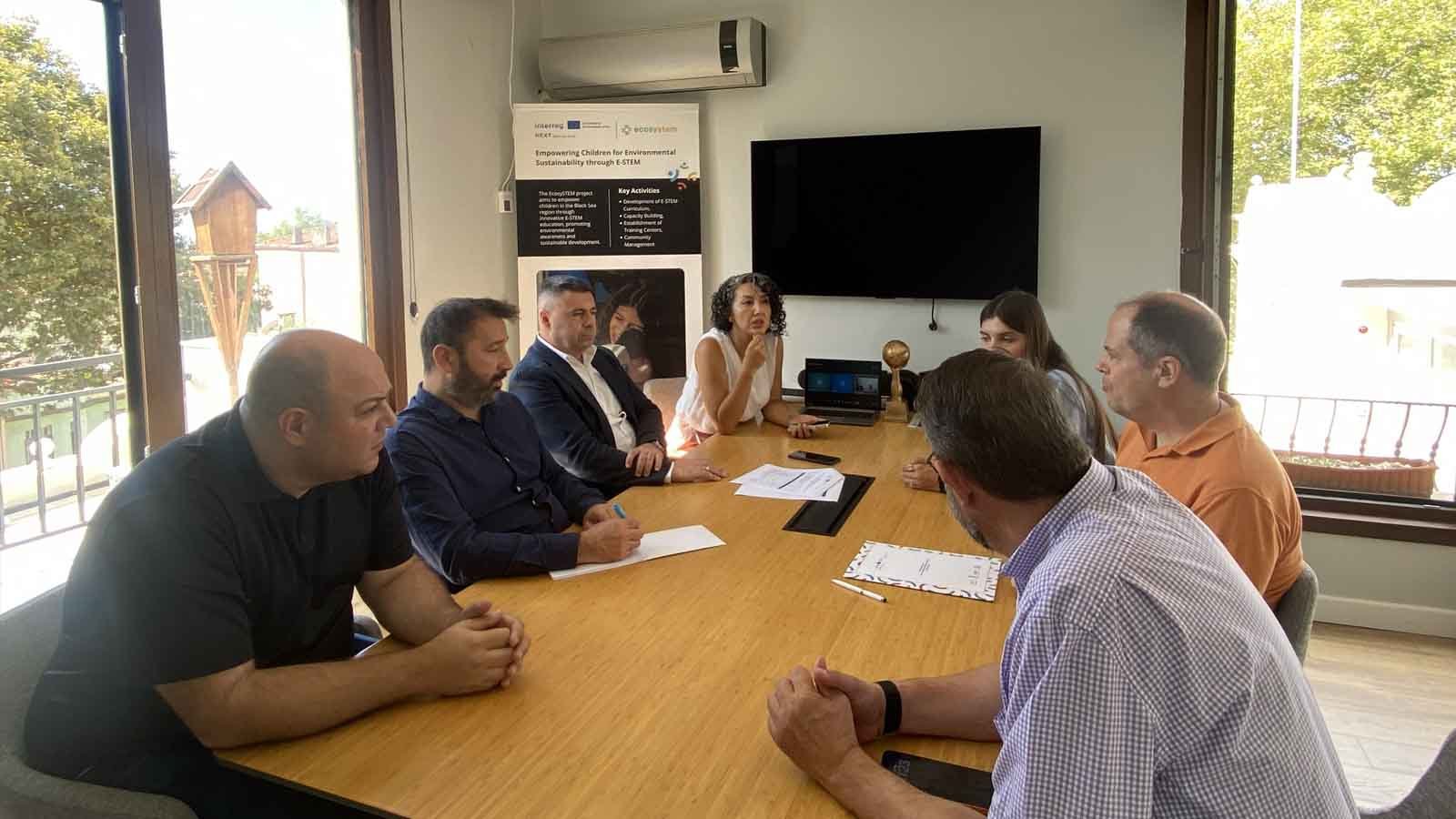
The 4th and final Steering Committee Meeting of the ecosySTEM project, implemented in partnership with Türkiye, Greece, Ukraine, and Bulgaria, was held in Istanbul on 7–8 September 2026.
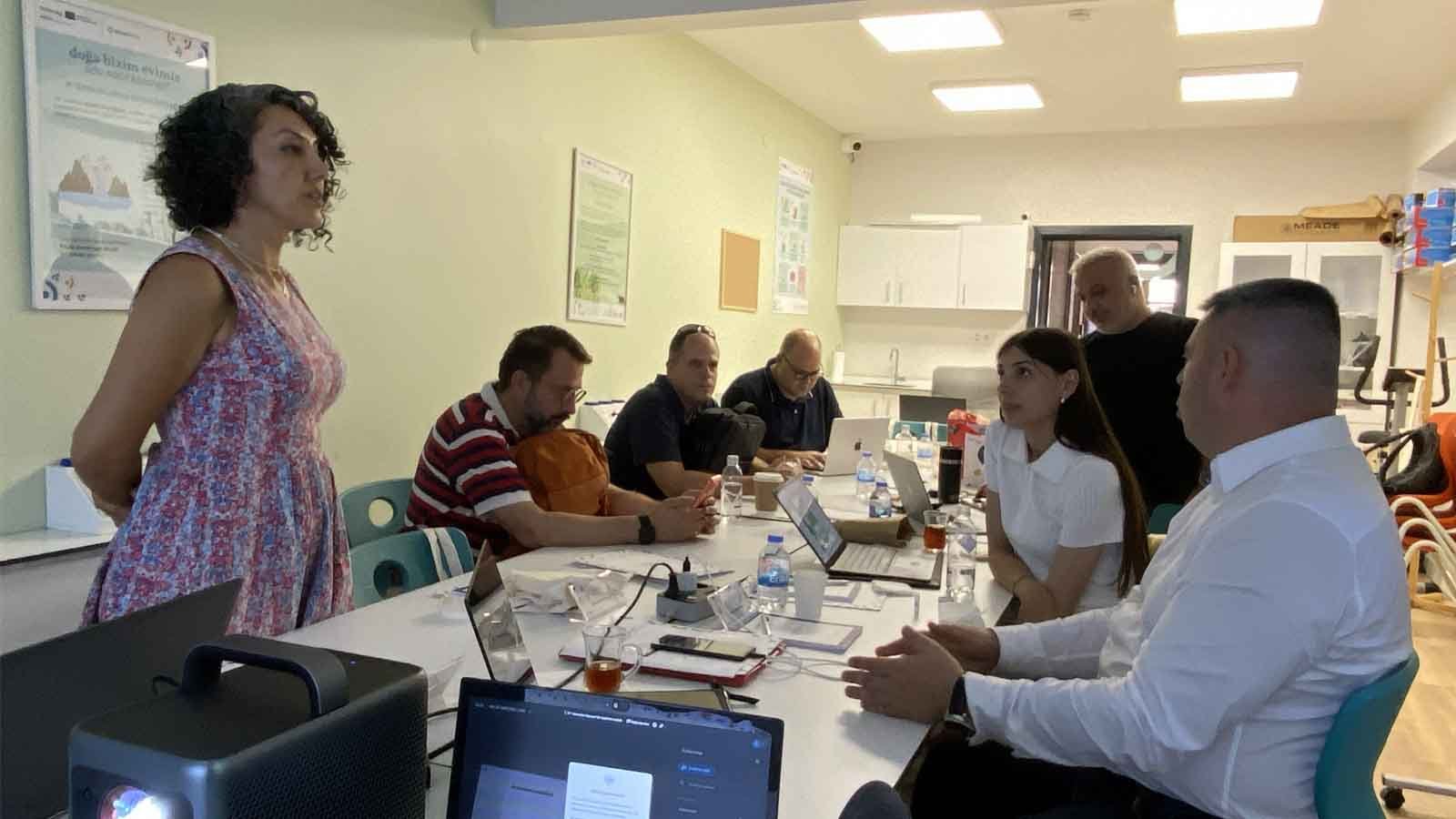
Hosted by the International Association for Development and Environment – IDEA Universal at the E-STEM Education Center in Kadıköy, the two-day meeting was attended in person by project teams from Türkiye, Greece, and Ukraine, while the Bulgarian team participated online. During the meeting, the project’s nearly two-year implementation period was reviewed, and its final activities, preparations for the international festival, and post-project cooperation were discussed.
IDEA Universal from Türkiye serves as the lead partner of the ecosySTEM project, implemented under the Interreg NEXT Black Sea Basin Programme 2021–2027, co-financed by the European Union. The project partners are Democritus University of Thrace from Greece, the Ukrainian Agrarian and Biological Sciences Center from Ukraine, and the Institute of Oceanology, Bulgarian Academy of Sciences, from Bulgaria.
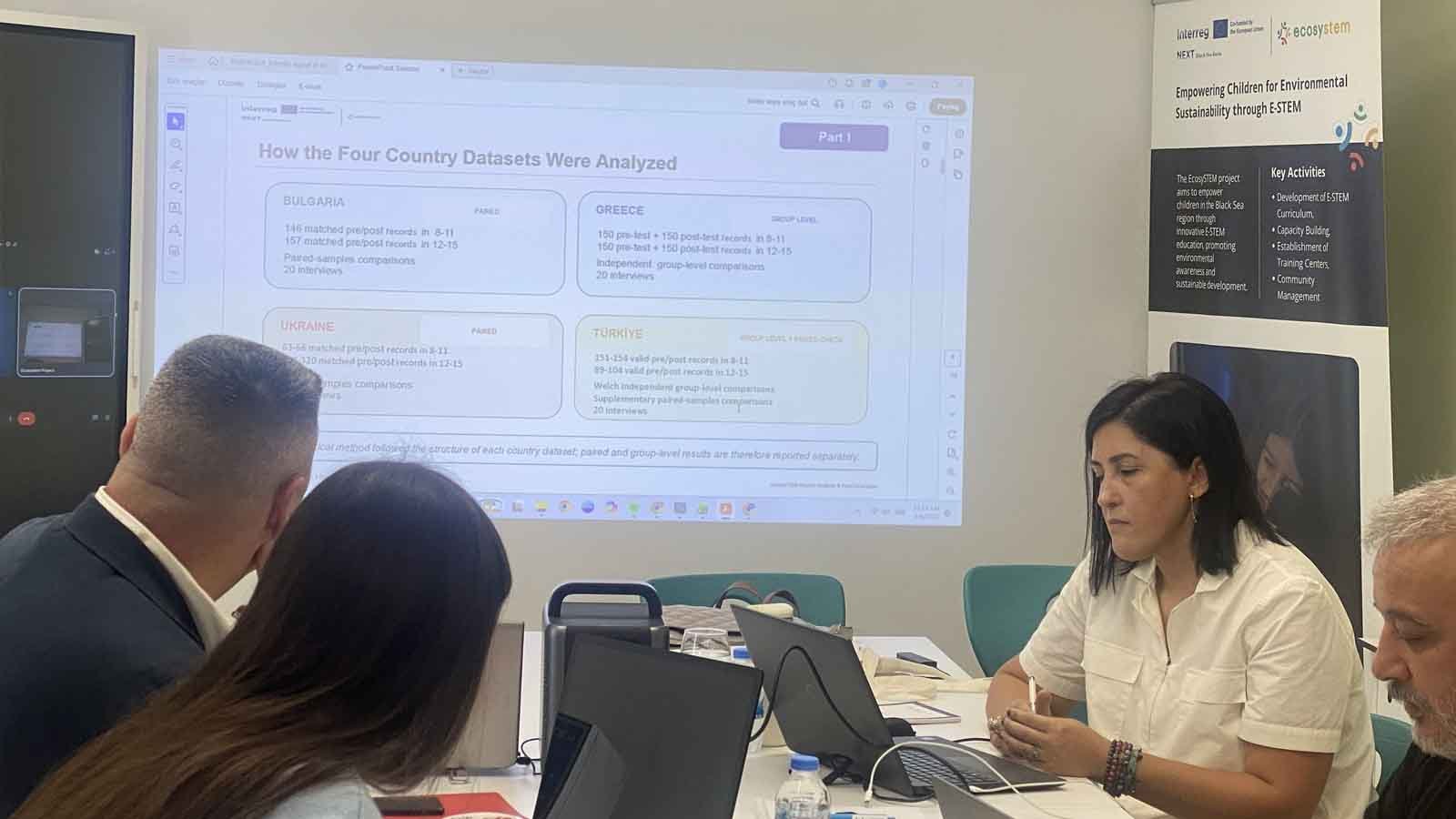
Day One: Two Years of Activities and the Closing Process Reviewed
On the first day of the meeting, held on 7 September, educational activities conducted in the four countries, project outputs, impact analysis, financial progress, and communication activities were reviewed. The partners also discussed the activities to be completed before the project’s closure, the sustainability of its results, and how cooperation would continue after the project ends.
Day Two: Children’s Projects and the International Festival
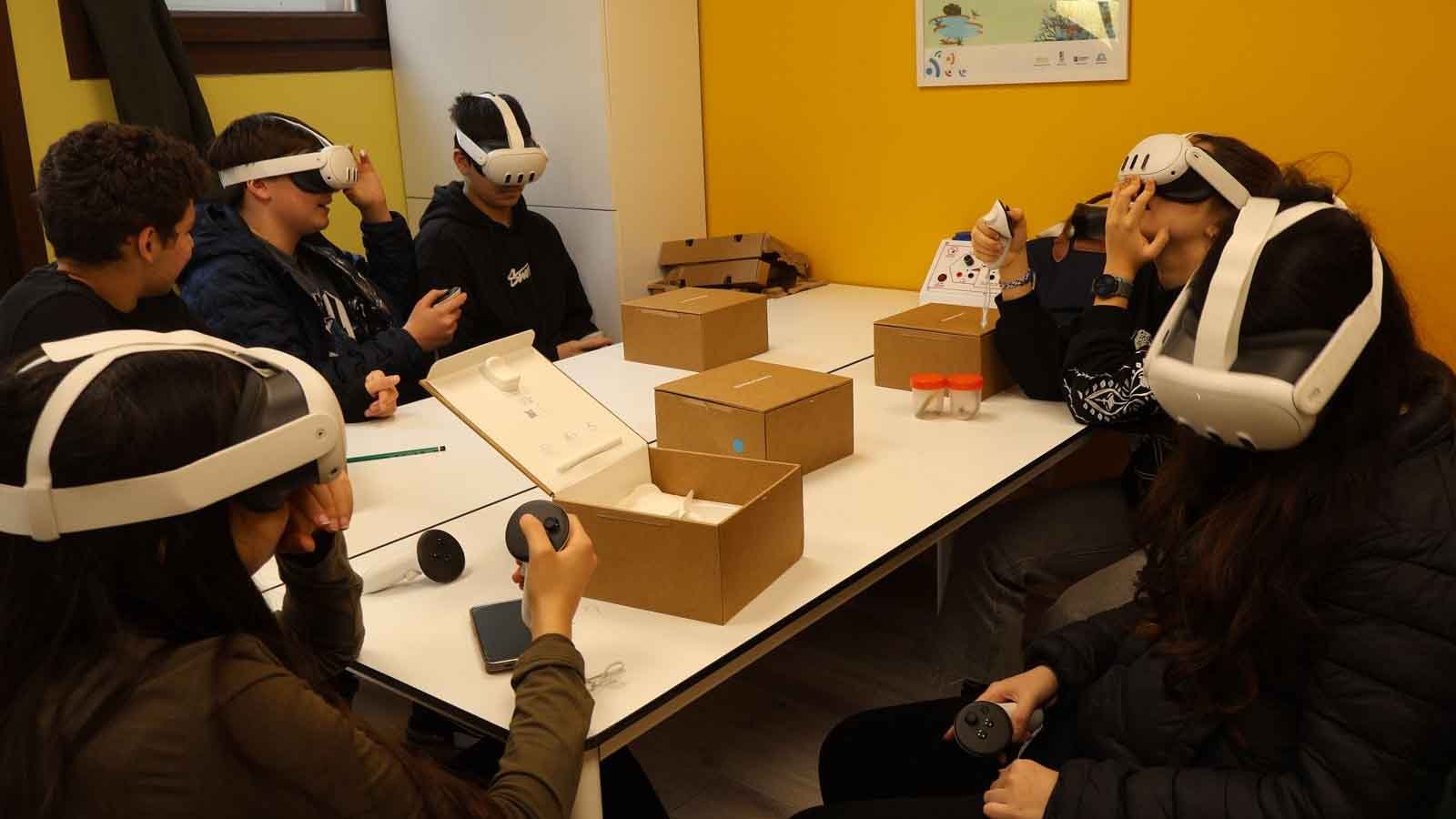
The focus of the second day, 8 September, was on the projects developed by children through E-STEM and Design Thinking processes.
While reviewing the projects developed in the four countries, the partners discussed preparations for the International Environment & Science Festival, which will take place in Xanthi, Greece, on 7–8 October 2026.
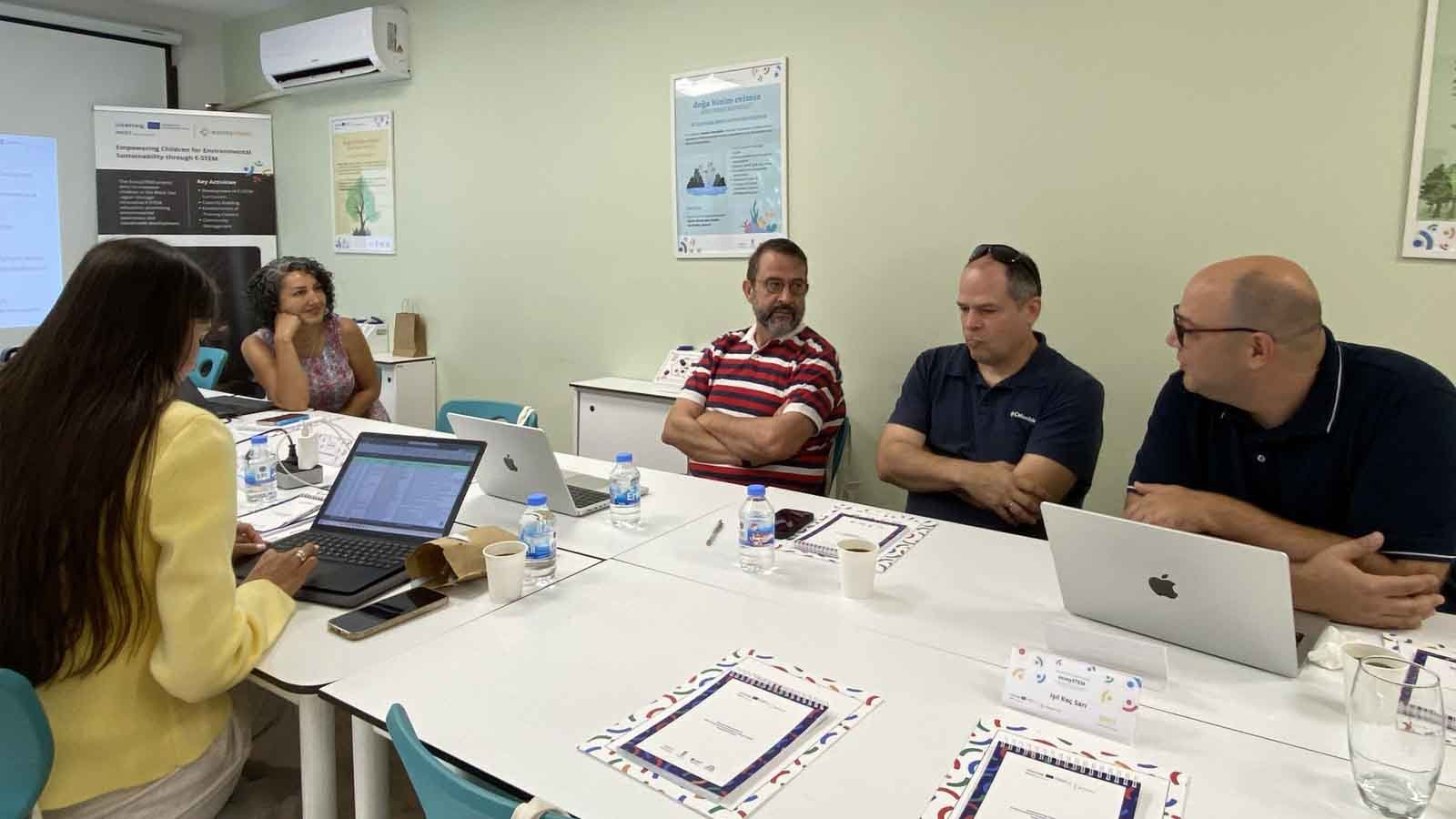
The International Festival Committee also convened in Istanbul on the same day. With representatives from all four project partners in attendance, the Committee reviewed the student projects selected for the festival, presentation formats, delegations, travel arrangements, child safeguarding procedures, and joint communication activities.
Rather than being an event in which countries or children compete against one another, the festival aims to serve as a shared platform where children working on similar environmental challenges in different countries can share their ideas, prototypes, and experiences.
What Will Happen to the Children’s Projects After the Festival?
One of the questions we asked the project partners while following the meeting was precisely this: “What will happen to the projects developed by the children after the festival? Will these ideas continue to be developed?”
According to the project team’s approach, the festival is not regarded as the final destination for the children’s work, but rather as an important opportunity for them to share their ideas in an international setting. The aim is to increase the visibility of the children’s projects, share them in educational environments, and consider projects with further development potential in subsequent stages.
Will ecosySTEM Continue After EU Funding Ends?
Our second key question concerned the sustainability of the project: “When the EU-funded project is completed, will the structure established through ecosySTEM and the cooperation between the four countries also come to an end?”
The answer also explains a significant part of the project’s closing activities. Under the Memorandum of Understanding and Joint Action Plan, the partners in the four countries plan to continue their cooperation for another 36 months after the project ends. They also aim to continue using the educational approach developed and the project outputs, while keeping the ecosySTEM website active for three years after the project is completed.
Next Stop: Greece
Following the final Steering Committee Meeting in Istanbul, the project’s next major gathering will be the International Environment & Science Festival, to be held in Xanthi on 7–8 October 2026.
At the festival, children from the four countries are expected to share their environmentally focused projects, developed through E-STEM education and Design Thinking activities, in an international setting.
The core approach demonstrated by the nearly two-year ecosySTEM process is clear: Children should not only learn about environmental problems but also develop their own ideas for solving them.
PROJECT INFORMATION
| Project Start and End Date | 02.07.2024 / 01.11.2026 |
|---|---|
| Total Project Budget | 1.627.759,24 € |
| EU Contribution | 1.464.983,28 € |
| The Title of the Project | Empowering Children for Environmental Sustainability through E-STEM |
| Name of the Project Partner | International Association for Development and Environment – IDEA Universal |
| info@ideauniversal.org | |
| Phone | +90 216 606 10 64 |
| Web | ideauniversal.org |
| Date of Publishing | 8 September 2026 |
Disclaimer
The responsibility for the content of this material is that of the author(s). The content of this material does not necessarily represent the official position of the European Union. Reproduction is authorized, provided the source is acknowledged, and any changes are indicated.