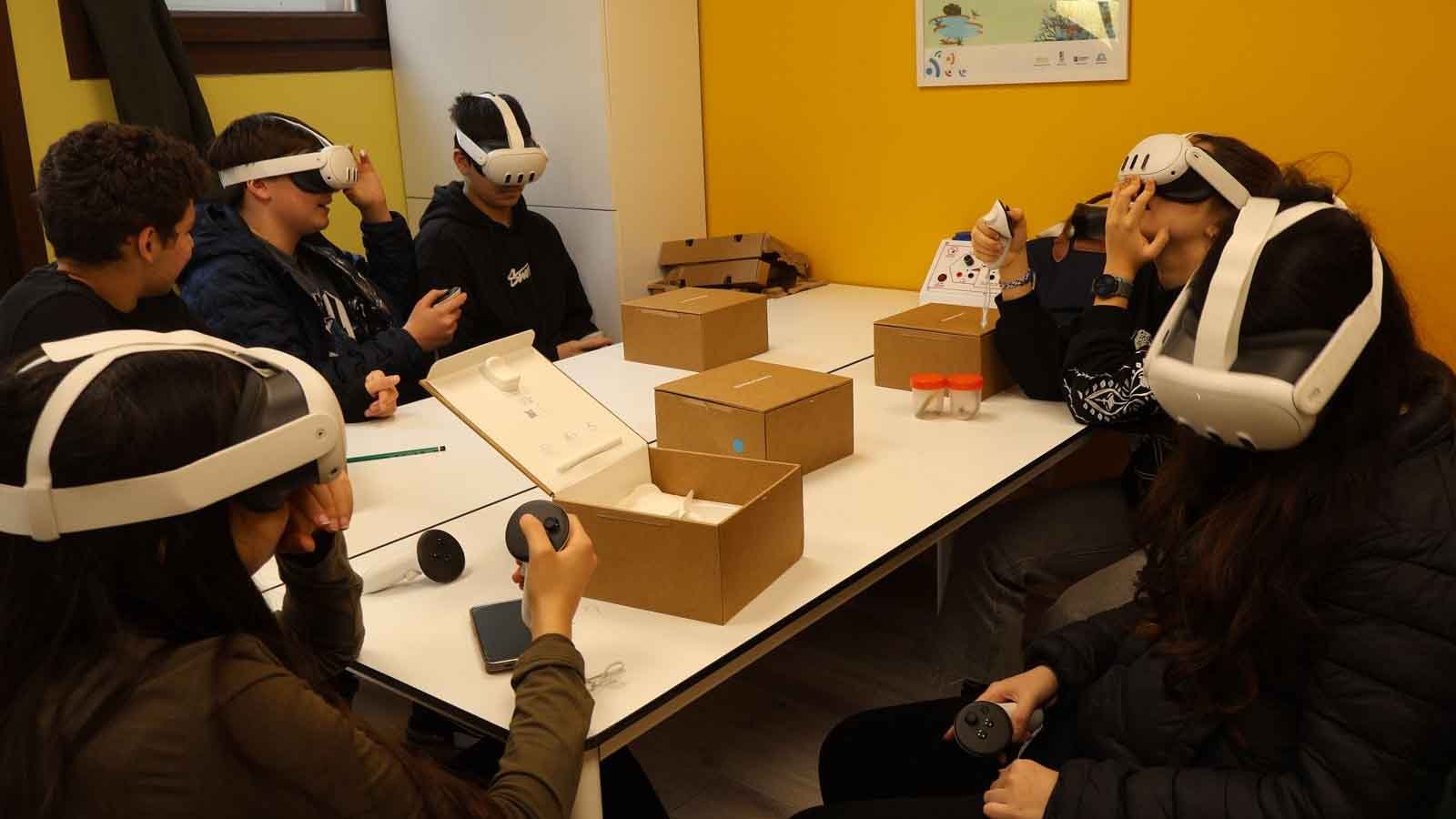
The Sinop Historical Prison Museum, restored under the “Shared Cultural Heritage” project by Türkiye’s Ministry of Culture and Tourism with EU funding, has reopened with a groundbreaking digital transformation. Spanning 3,469 m² of exhibition space and 4,590 m² of walking paths, the museum now immerses visitors in history through hologram technology, immersive rooms, and 3D mapping projections. Once home to literary giants like Sabahattin Ali and Refik Halit Karay, these ancient walls now resonate with the echoes of lived experiences .
🔍 History Meets Innovation: Behind the Restoration
The 3-year restoration blended heritage conservation with cutting-edge technology. While preserving the 19th-century stone structure, specialists integrated invisible fiber-optic networks and climate-controlled display systems. Istanbul-based Küp Production spearheaded the digital transformation with a €150,000 investment .
Key challenges included installing technology without altering original architecture. Projection niches feature auto-closing panels, and humidity-controlled cases protect artifacts. The museum’s “Walking Memory” installation uses motion sensors to transform visitors’ footsteps into Sabahattin Ali’s poetry lines .
EU funding constituted 60% of the €2.1 million budget, reflecting transnational cultural commitment. Post-restoration, daily visitors surged to 2,500 – a 300% increase compared to pre-renovation numbers .

✨ Sabahattin Ali’s Cell: Holograms Revive Literary Ghosts
The museum’s emotional centerpiece is Sabahattin Ali’s cell, where a life-sized hologram of the author recites poetry. As visitors move, the projection shifts perspective, creating an uncanny sense of presence. Simultaneously, touchscreens display digitized manuscripts of his famed poem “Don’t Mind, My Heart” .
Personal effects like Ali’s reconstructed writing desk and prison uniform deepen the narrative. Visitors can “flip through” digital copies of his letters via interactive tables, revealing his struggles: “These walls crush more than bodies; they suffocate dreams” .
Surveys show 92% of visitors reported “profound emotional engagement” here. The cell has become a pilgrimage site for literature enthusiasts, with waiting times exceeding 45 minutes during peak hours .
🌊 The Sound of Solitude: Immersive Room Experience
In the Karadeniz Immersion Room, 360-degree projections recreate the prison’s most haunting element: Black Sea waves crashing against fortress walls. Multi-directional speakers amplify thunderous wave sounds while floor vibrations simulate surging water .
This installation embodies prisoners’ psychological torment. Refik Halit Karay’s memoirs describe waves as “the taunting voice of freedom” – an experience now visceral for visitors. Temperature drops to 16°C (60°F) to enhance the chilling atmosphere .
Post-experience interviews reveal 87% of visitors gained new empathy for inmates’ isolation. The room’s 7-minute loop intentionally mirrors the average time prisoners reported contemplating escape .
🏛️ Architectural Symbiosis: Stone Walls & Hidden Tech
The restoration pioneered non-invasive tech integration. Laser scans mapped every stone before drilling micro-channels for cabling. Original iron bars now conceal ultrasonic speakers, while prison courtyards hide pop-up projectors .
Climate control posed critical challenges. A German-engineered system maintains 45% humidity and 20°C year-round, with sensors triggering emergency shutdowns if values fluctuate. Solar panels on restored guard towers power 40% of operations .
Notably, the “Whispering Walls” audio tour uses bone-conduction headphones – visitors hear narratives by touching their temples to cold stone, preserving ambient silence .

📚 Redefining Cultural Heritage: Why Emotion Matters
This project signals a paradigm shift in Turkish museology. As Küp Production’s director notes: “Digital isn’t replacing history – it’s making silence speak. Visitors don’t just learn about Sabahattin Ali; they feel his despair in that cell.” .
UNESCO has added the site to its Digital Heritage Innovation Watchlist. Data confirms transformative impact: visits by under-40 audiences increased by 140%, while average engagement time tripled to 2.5 hours .
Future phases will expand the “digital diary” collection, allowing visitors to access prisoners’ stories via AR glasses. As one teen visitor remarked: “History class never made me cry before.” .