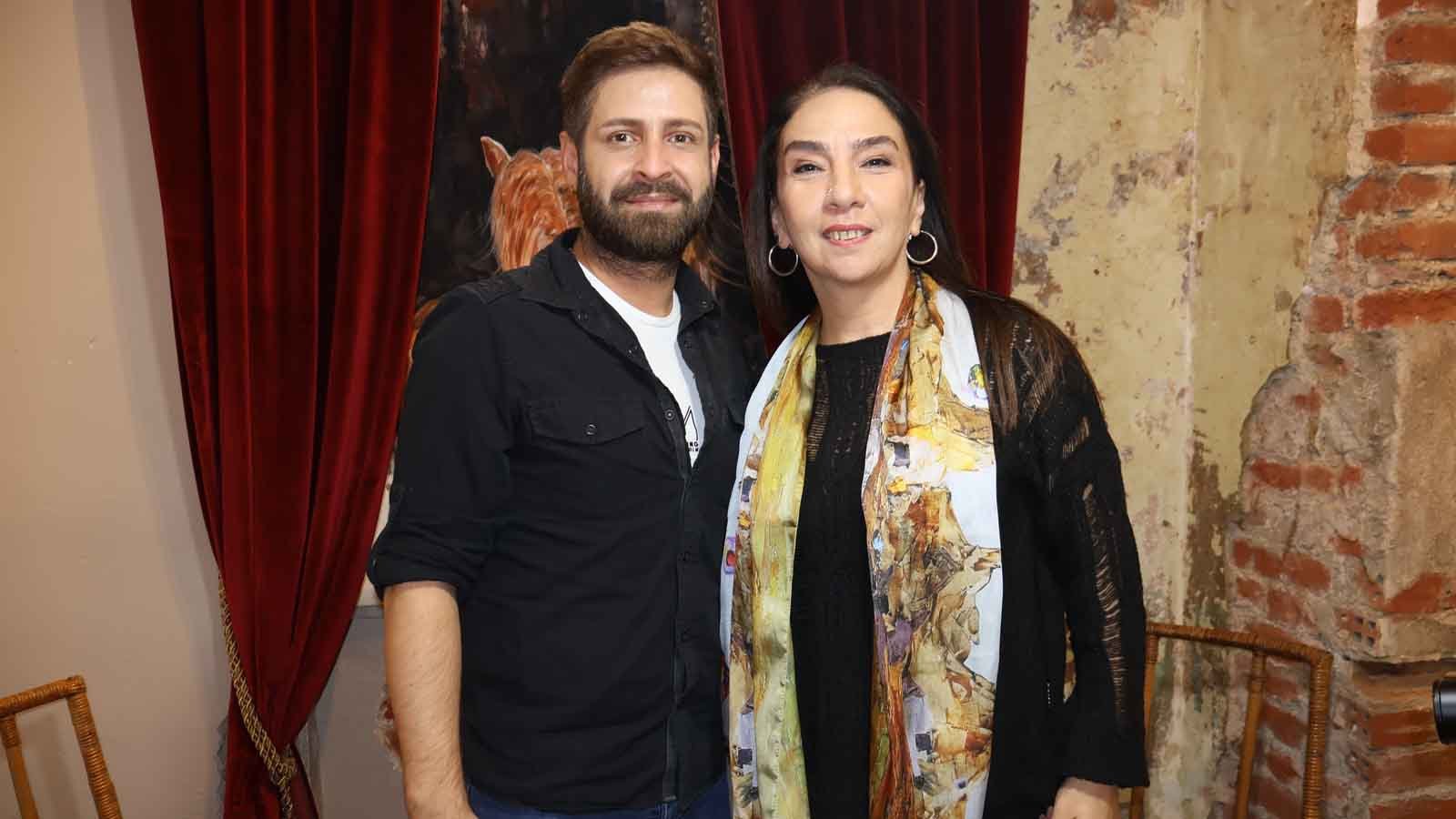
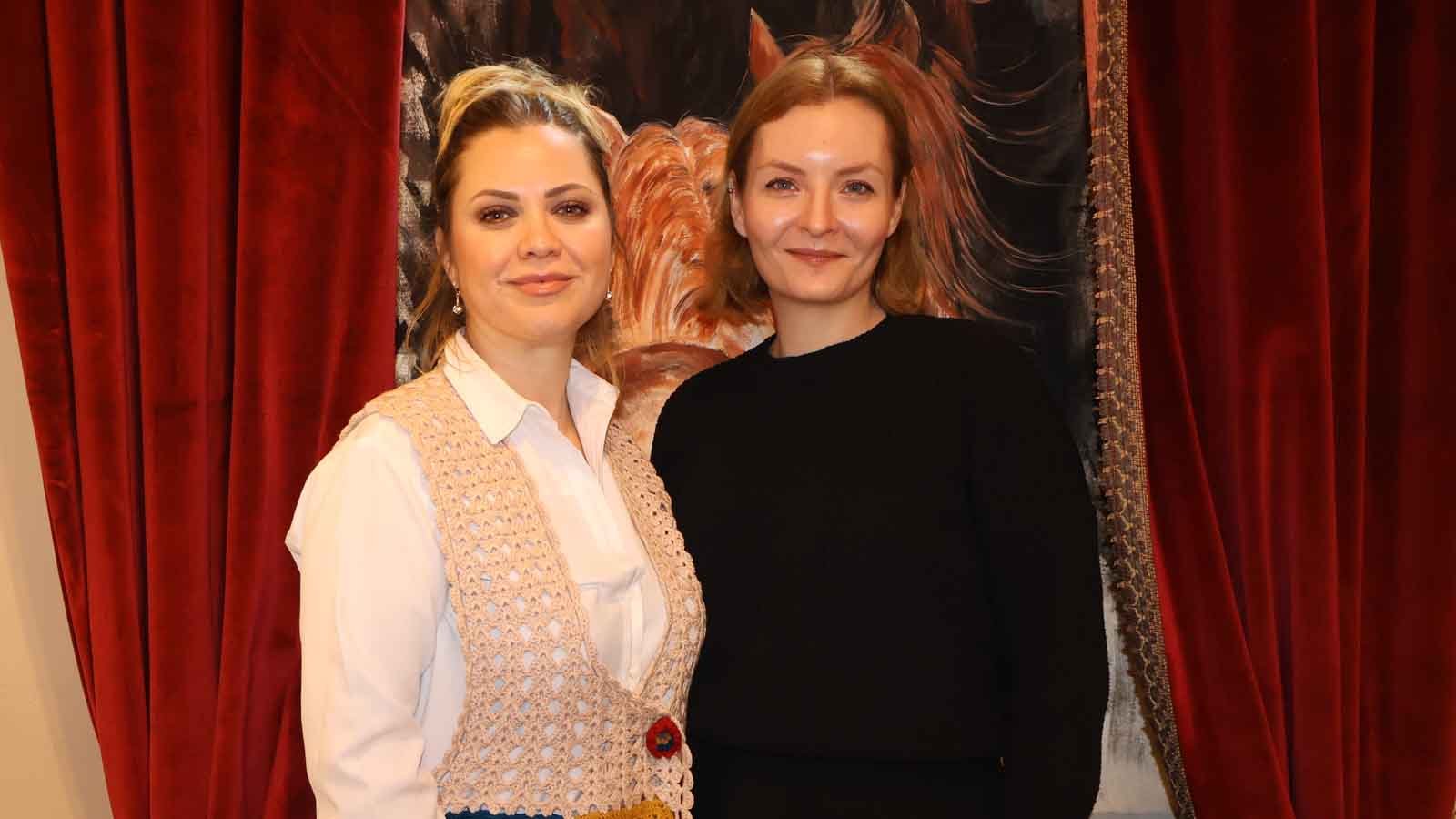
Musician Yunus Emre Sert, known by his stage name Yes, was the guest on the 95th episode of the program “Eylül Aşkın İle” (With Eylül Aşkın) on the Türkiye Haber Portalı (Turkey News Portal) YouTube channel. During the program, broadcast live from Nostalji Antik on Adile Naşit Street in Cihangir, Sert spoke candidly about his music journey, his sources of inspiration, and his new projects.
Yunus Emre Sert stated that he started music at the age of 3 with a toy organ, emphasizing that his dedication to art began at an early age: “It’s a story that started with me playing commercial jingles on that organ. Music has always been in my life; I never thought about anything else.”
Sert mentioned that his conservatory education was a “label” for him, but his real learning process always advanced on stage and through practice. He started his journey with piano and vocal training and continued with his passion for Turkish music and its instruments. He explained that he was particularly influenced by Azerbaijani music and, driven by his love for the tar and Mehter (Ottoman military band) music, learned to play the kaba zurna (a type of wind instrument).
“My Compositions Come Instantly; I Feel Like an Agent”
Making striking remarks about his composition process, Sert said:
“All the songs I have made so far and will make are not the result of long work; they are things done instantly. When I sit at the piano with a melody, the lyrics and music come out simultaneously, in one go. I feel like an agent here, in an emotional sense. I am going to tell something. The things I tell will one day find value or offer value to those who seek it.”

The Story Behind “Maalesef Bitti” and “İyi Biri”
Sert stated that his song “Maalesef Bitti” (Unfortunately, It’s Over), which won first place in a talent contest, was the product of a social observation. He expressed that the line in the song, “Sen de böyle yapma ne olursun anne” (Mother, please don’t do this too), is a reference to the expectations and pressures society places on individuals, and particularly the pressures mothers place on their children.
Sert said that his new single, “İyi Biri” (A Good Person), questions society’s labels of “good” and “bad.” He stated, “Society can portray anything outside the norm as bad. This song explains that outward appearance and one’s essence can be different, and that those who pretend to be good and those who are genuinely good should be distinguished.”
A Dream Came True with Genco Arı
Sert shared that one of his most important dreams in his musical career was to work with the master musician Genco Arı, and he realized this dream with the song “Burjuva” (Bourgeois). “I reached out to him, we met, and I finally made that dream come true. This was an experience that made me believe in the power of affirmation,” he said.

Near-Term Plans and Concerts
Speaking about his near-term plans on the program, Yunus Emre Sert announced that he plans to release 3 new songs, currently being recorded in the studio, to listeners this year. Sert, who said he loves being on stage, mentioned that his concerts will continue throughout summer and winter: “Even when we compose songs, we always do it by imagining the stage. Meeting with the audience is my biggest source of motivation.”
The Story Behind the Name “Yes”
Sert also explained the story behind his stage name “Yes” for the first time on this program:
“When I was going to kindergarten, my mother embroidered ‘YES’ (the initials of Yunus Emre Sert) by hand with a needle on my towel so it wouldn’t get lost. That towel is still at home. Everything of mine has been ‘Yes’ since that day. Perhaps it’s because life has always said ‘yes’ to me.”