Tourism is not only about discovering the world, but also about developing and improving it. When carried out correctly and with a sense of responsibility, it becomes a powerful tool in the fight against poverty. It creates employment, empowers women, preserves culture, and provides funding for vital services.
Tourism is particularly important for women, youth, migrant workers, and rural populations in developing and underdeveloped countries. Today, it is especially recognized as a significant source of economic growth in poor nations. The tourism sector contributes to poverty reduction by integrating various industries such as agriculture, construction, public services, food, textiles, handicrafts, and transportation.

To summarize the social benefits of tourism:
Tourism Funds Education and Healthcare:
Tour operators and NGOs can invest part of their earnings in access to clean water, education, and healthcare services. In doing so, they create numerous job opportunities for individuals with little or no formal education. Tourism offers opportunities to those who are socially disadvantaged or lack skills—opportunities that other sectors often do not provide.
Tourism Provides Employment in Remote Areas with High Unemployment:
Tourism creates job opportunities in guiding, hospitality, food services, and transportation in areas where formal employment is limited. Hotels and food and beverage services, in particular, are labor-intensive sectors that offer significant employment potential for those with limited access to the job market.
Tourism Offers Recovery Opportunities After Natural Disasters:
The tourism sector provides job training and employment opportunities for communities affected by natural disasters. It restores livelihoods much more quickly than government aid can reach. For example, after the 2004 tsunami in Sri Lanka, survivors were trained in hospitality and guiding.
Eco-Tourism Turns Waste into Treasure:
Local residents can collect waste materials from tourist areas and turn them into souvenirs. In this way, environmental maintenance is supported while also generating income for the unemployed.

Handicraft Sales Revitalize Local Economies:
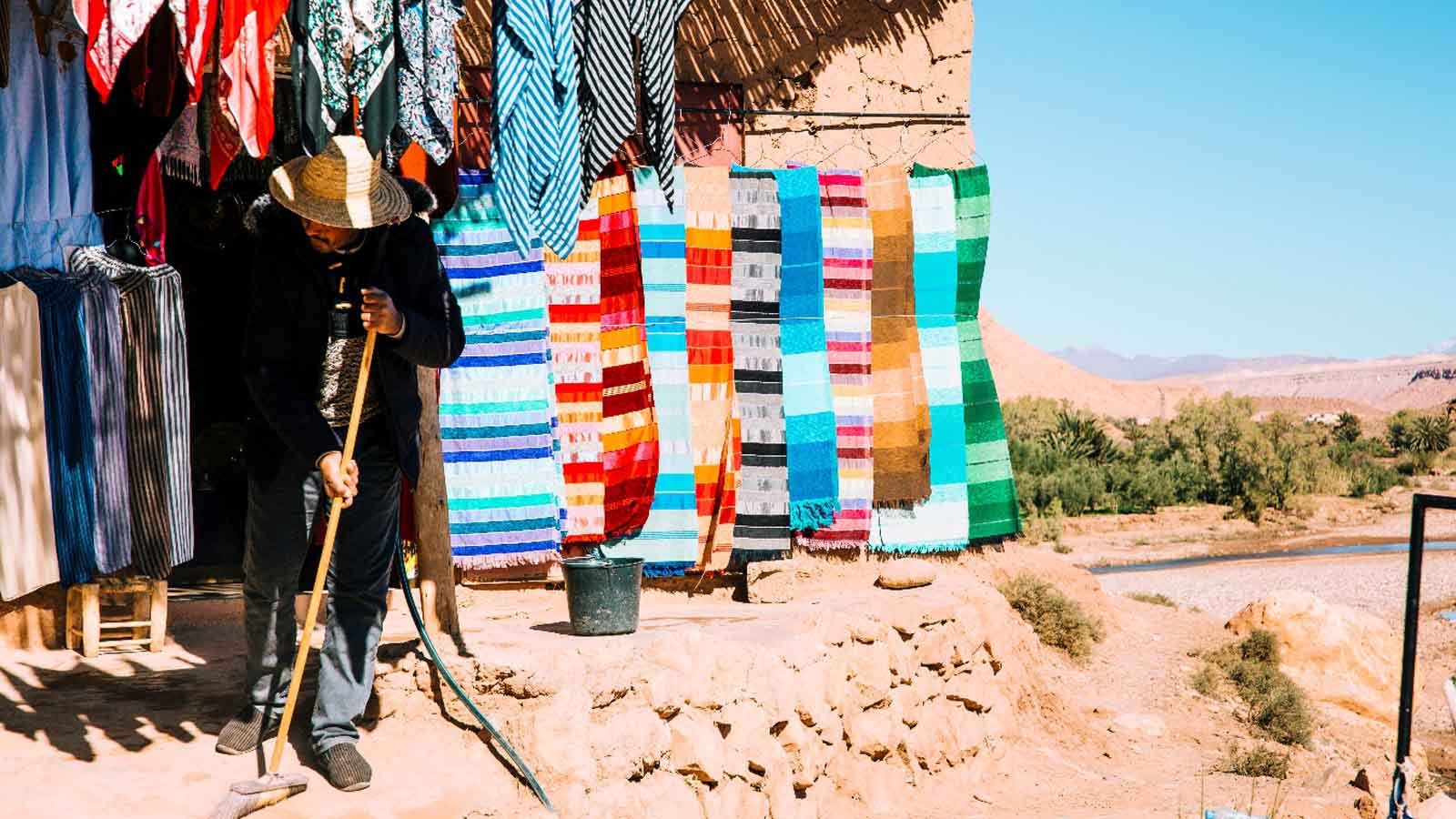
Tourists contribute to the preservation of local arts and the creation of employment by purchasing handmade products. For artisans with limited access to formal employment, the establishment of small businesses helps strengthen the local economy.
Festivals Generate Seasonal Income:
Tourism driven by cultural festivals provides economic support to local artists, musicians, dancers, chefs, and vendors. It transforms local culture into an income-generating opportunity for entire communities.
Tourism Offers a Direct Solution to Poverty:
Travel transforms lives. Especially in rural and underserved areas, homestays generate income for families. Tourists staying with local households provide a direct and steady source of income for women and families. Empowering women in rural areas is essential for supporting education, healthcare, and daily needs.

Solutions for Tourism to Reduce Poverty
Various regulations, strategies, and sound policies not only form the foundation for the development of sustainable tourism, the protection of natural resources and ways of life, and the promotion of economic development to significantly reduce poverty, but also help preserve social cohesion and the identities of local communities. In forming these strategies, programs, policies, and legal frameworks, governments, security and law enforcement agencies, as well as the state of infrastructure, education and training, hygiene, and working conditions play a crucial role.
■ Cooperation: Sectoral and cross-sectoral public-private partnerships should be developed between governments and international civil society and private sector organizations whose common goal is to reduce poverty through tourism-oriented, pro-poor sustainable tourism.
■ Monitoring: The environmental impact of tourism should be regularly monitored and evaluated.
■ Implementation: Comprehensive rural development strategies should be designed and their implementation should include the participation of social partners.
■ Local Sourcing: Industrial supply chains should be encouraged to rely on local resources, and dependency on imported goods should be reduced. While the tourism sector has the potential to increase local income and act as a driver for social development and poverty reduction due to its high potential for creating local employment, businesses often tend to connect with foreign suppliers rather than establishing local supply links. For most developing countries, such “leakages” in tourism spending and revenues account for 40% to 50% of gross tourism earnings, and for more advanced and diversified developing countries, between 10% and 20%. Businesses can reduce these leakages by building connections with local sectors such as construction, agriculture, fishing, food processing, furniture manufacturing, handicrafts, media and entertainment, transportation, energy, and telecommunications.
■ Support: Local ownership should be encouraged by facilitating access to finance for the poor through credit. Communities should be ensured a fair economic return from the resources they possess.
■ Education: Local communities should be informed about employment opportunities within the tourism sector. Job placement programs should be developed and training provided to support local employment. Education, vocational training, and human resource development are essential for improving the operational efficiency and service quality of the sector. Particularly in developing countries, tourism enterprises—especially small and medium-sized enterprises (SMEs)—should establish effective training and skill development programs for both employees and employers. These programs should also include topics such as occupational health and safety.
■ Communication: In order to facilitate communities’ access to food, goods, services, and infrastructure, they should be helped to better understand the needs of the tourism sector. To achieve this, collaboration and communication between the tourism sector and local communities must be strengthened.
■ Infrastructure: A wide-ranging infrastructure—such as electricity and water facilities, airports, and roads—is essential for creating a sustainable and attractive destination and for facilitating tourism services like hotels and restaurants. With the development of infrastructure, the delivery of services will become easier and access to employment opportunities for the poor local population will be improved.

■ Dialogue: The sector should develop in an environment where decent working conditions exist, respecting human dignity, particularly in terms of labor-management relations and social dialogue, to ensure quality service and sustainable tourism. In a well-managed company, effective social dialogue combined with a robust employee evaluation system will better meet the needs of workers at all levels, thereby increasing productivity.
However, working conditions are often inadequate and irregular. Casual, temporary, seasonal, and part-time contracts, long working hours, low wages, job instability, limited career opportunities, significant outsourcing, and rapid staff turnover make the sector insecure for employees. Existing job issues, especially poor working conditions in workplaces, must be addressed.

■ Equality: There are significant inequalities in opportunities and treatment between women, young workers, and other employees. Unskilled female workers frequently face poor working conditions, unequal opportunities, violence, exploitation, stress, and sexual harassment in the workplace. They also experience discrimination in access to education and training. On average, women earn 20% less than male employees with similar skills. Gender inequality in the workplace, and especially child labor, must be eliminated.
FACTS AND FIGURES
Despite occasional disruptions and structural changes related to new technologies, the tourism sector has been growing rapidly in recent years and continues to be a major source of employment in developing countries.
■ In 2012, it was estimated that travel and tourism accounted for approximately 9% of the global GDP (Gross Domestic Product), 5% of total investment, and 5% of world exports.
■ Tourism exports represent 30% of global commercial service exports (equivalent to 6% of total goods and services exports).
■ International tourist arrivals increased at an average annual rate of 4.3% between 1995 and 2010. While the travel industry recorded only 25 million international tourist arrivals in 1950, arrivals rose to 277 million in 1980, 675 million in 2000, 922 million in 2008, 940 million in 2010, and 1.035 billion in 2012. Growth is expected to accelerate in the next decade.

■ From the perspective of the tourism supply chain, one job created in the core tourism sector indirectly generates an additional 1.5 jobs in the related economy.
■ In 2012, the global tourism economy provided employment to more than 260 million people. This figure accounts for approximately 8.7% of direct and indirect jobs worldwide, or one in every 11 jobs.
■ Women represent the majority of the workforce in many countries.
■ Youth employment is significant. Half of the workforce in the sector is under the age of 25.
■ The number of tourists visiting least developed countries tripled between 1998 and 2008, with an average growth rate of 13%, and tourism revenues increased from 1 billion to 5.3 billion dollars.
■ The sector currently ranks first or second in export revenues for 20 of the 48 least developed countries (LDCs) and shows stable growth in at least 10 other countries.
■ Tourism accounts for 33% of exports in underdeveloped countries and 65% in less developed countries.

Murat TÜZEL
Chairman of the CHP Istanbul Culture and Tourism Commission
Chairman of the Şişli City Council Tourism Commission
Member of the World Federation of Travel Journalists and Writers