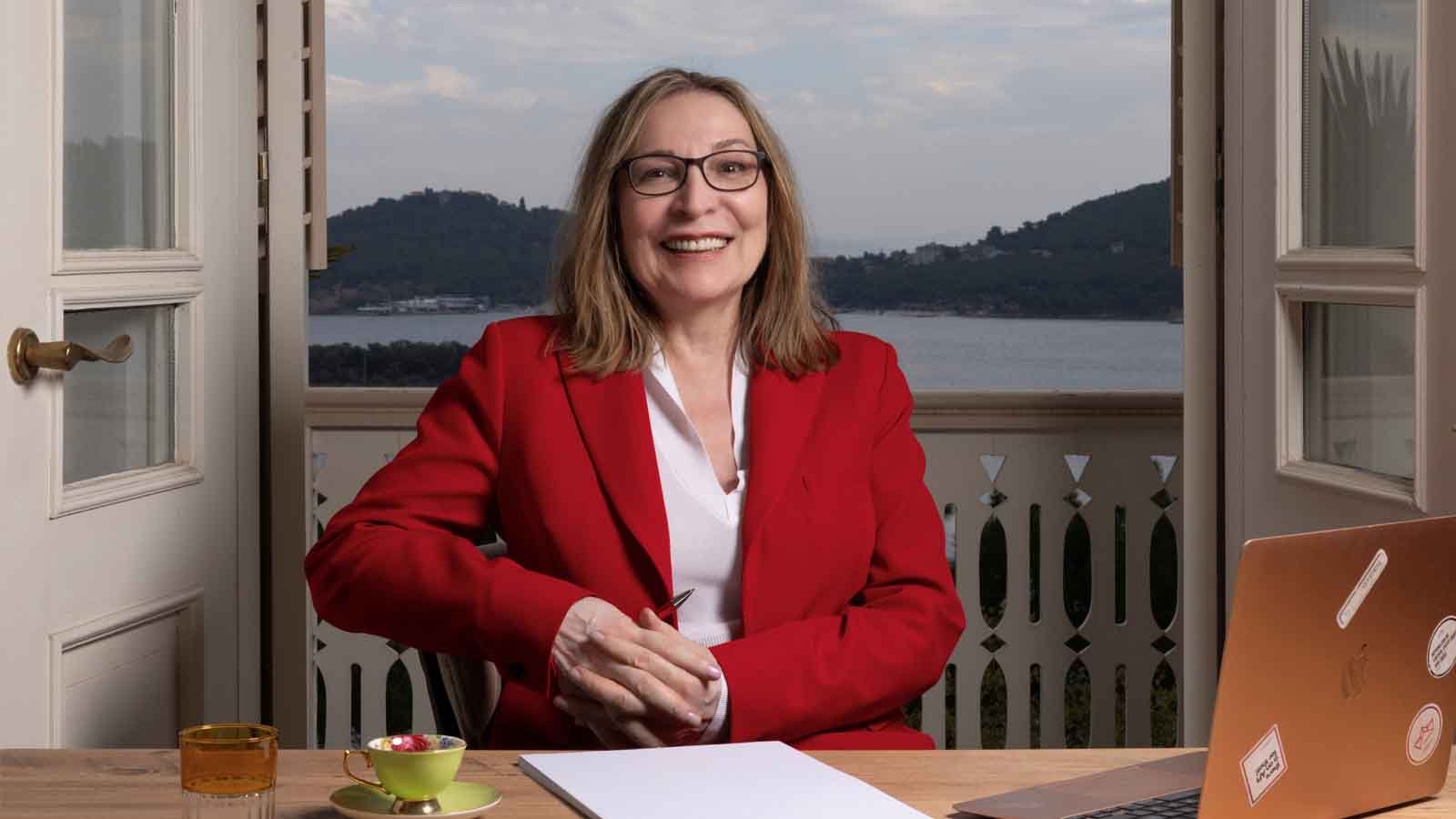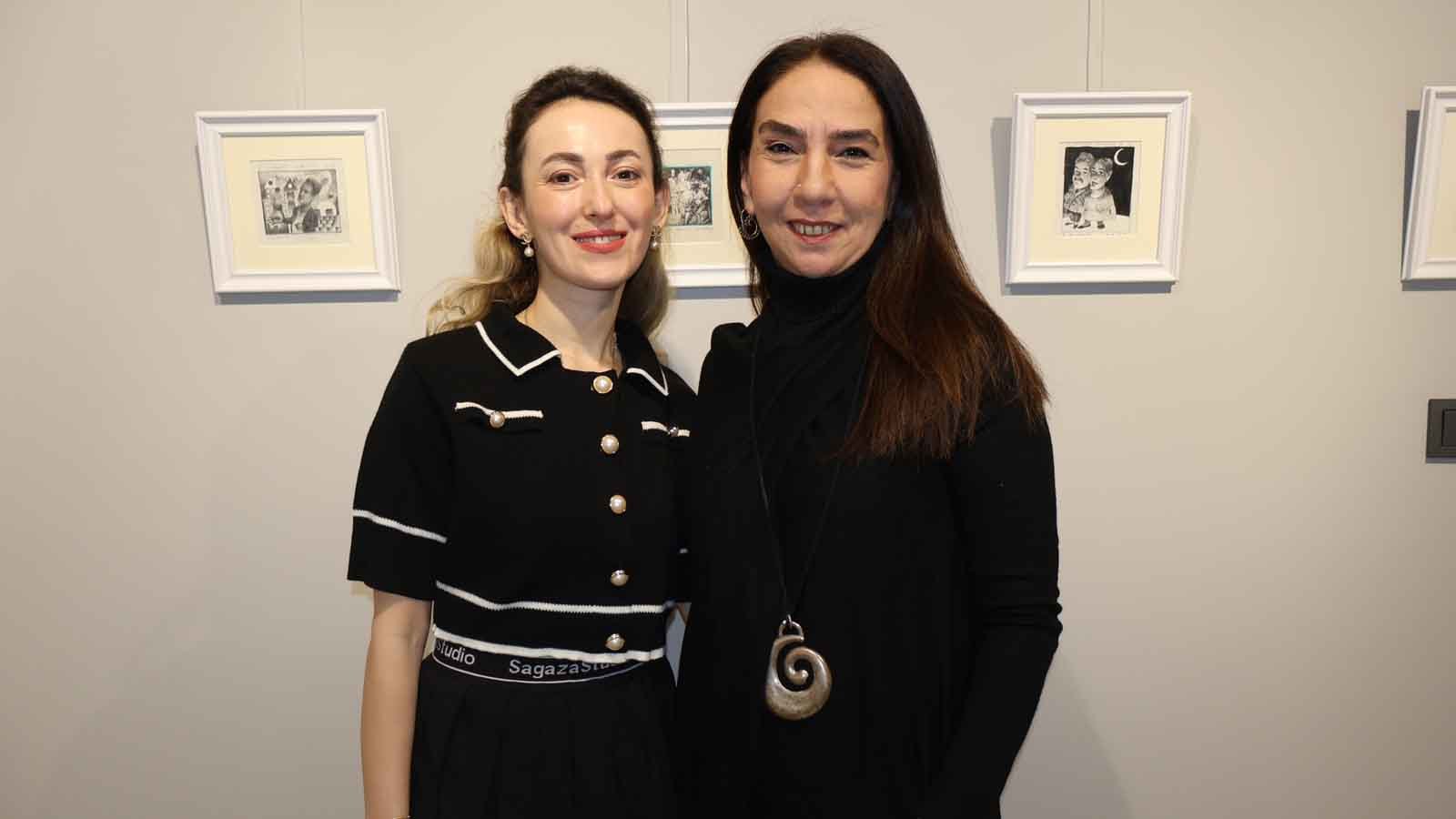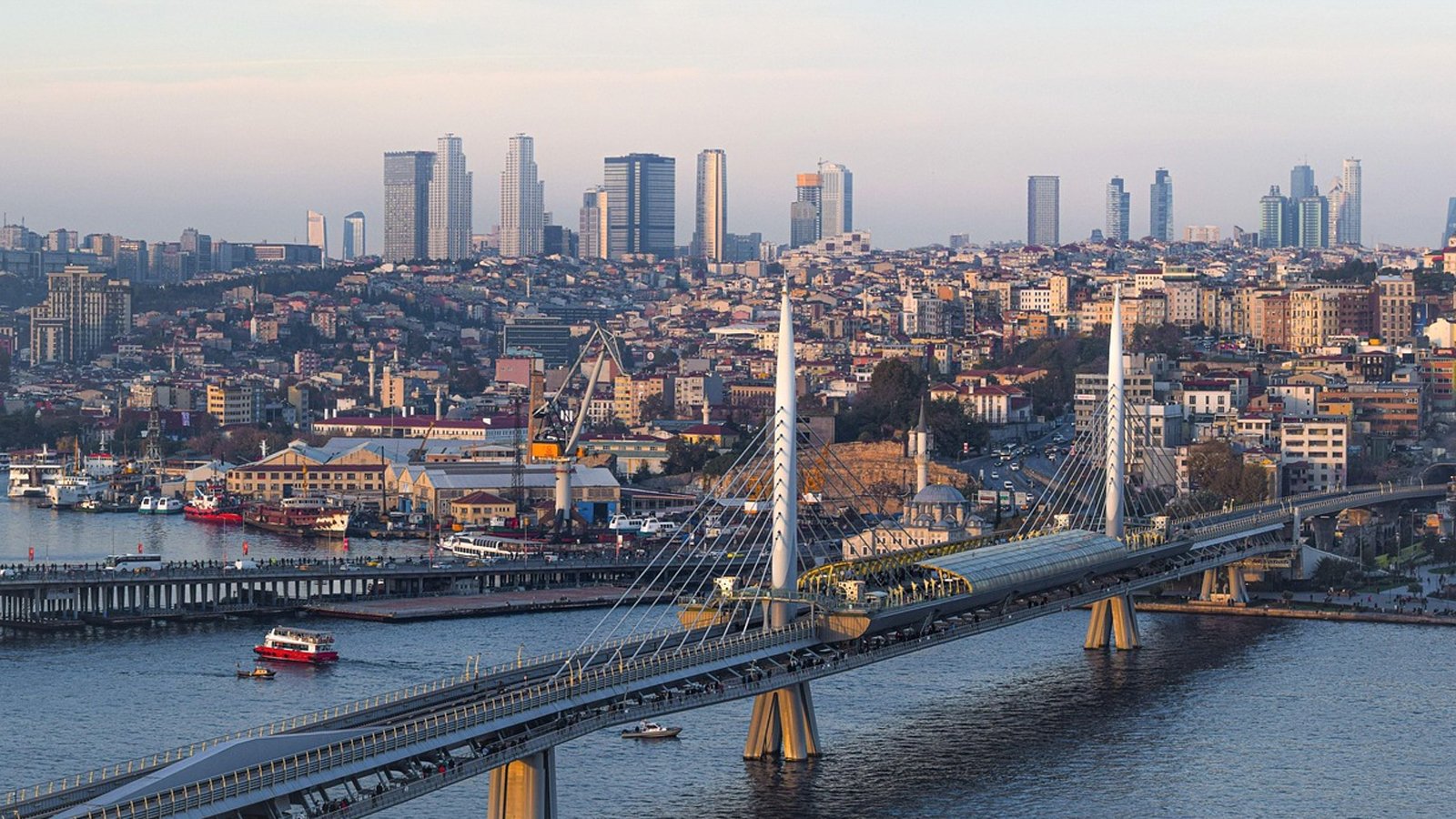
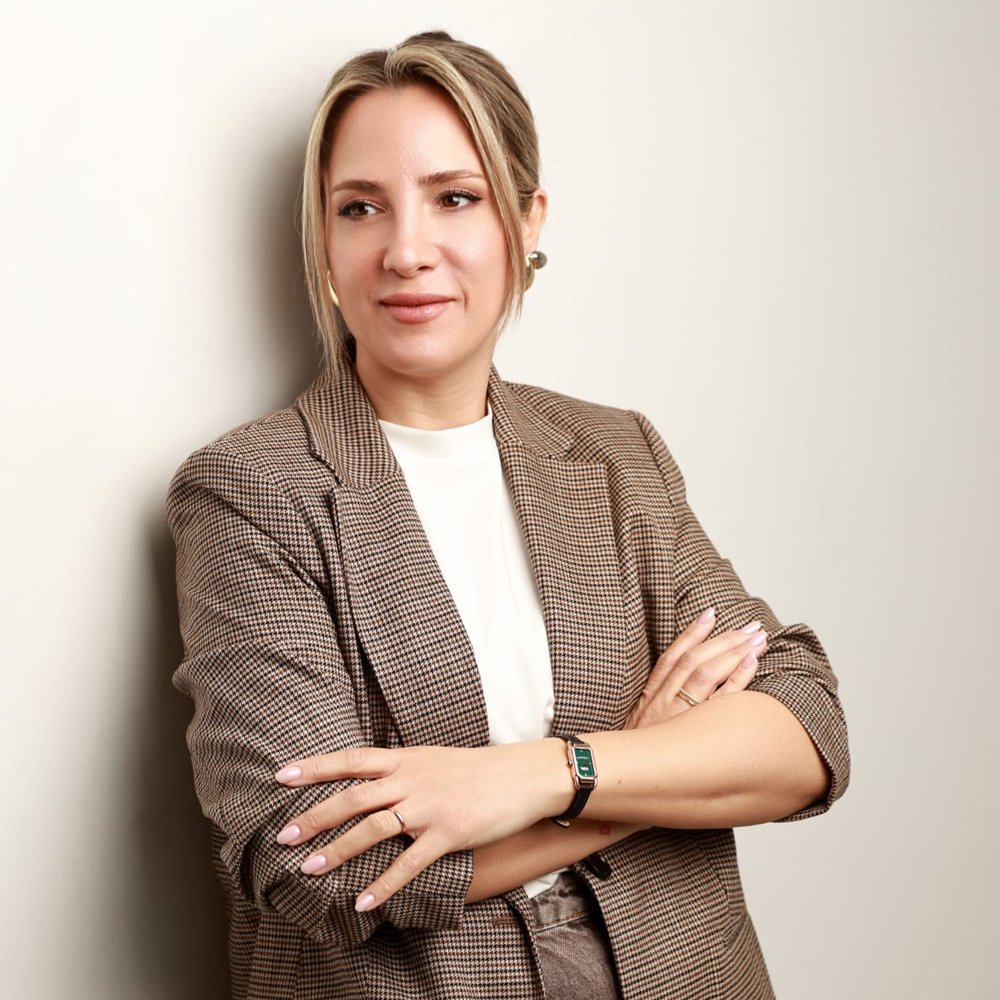
Urban renewal efforts accelerating in Turkey are losing momentum at the stops of “urban identity” and “collective memory” while advancing on the track of structural safety. Architect Işıl Yıldız, one of the names behind large-scale projects, emphasized that transformation is not merely a technical construction activity but also a matter of memory, and noted that every project excluding culture and art produces “identity-less cities.”
“Cities Were Built, But Urban Life Was Not Established”
Criticizing the reduction of urban transformation processes to the renewal of physical building stock, Architect Işıl Yıldız said that cities struggling with modernization are facing a form of “memory loss.” She stated that prioritizing structural safety is vital, but that the cultural fabric forming the spirit of those structures is neglected in the process. “A city is not made up only of buildings; it gains meaning through networks of social relations, habits of public space use, and local production culture,” she said.
Risk of Uniformity: “Same Architectural Language, Different Cities”
Defining the implementation of similar block typologies across Turkey as “architectural de-identification,” Yıldız stated that projects independent of geography and culture turn cities into copies of one another. Emphasizing that using the same design language in cities with different historical backgrounds weakens the sense of belonging, Yıldız said, “Today, when you look at many new residential areas, it has become difficult to understand which city you are in. Yet architecture should have carried the responsibility of building a bridge between the past and the future.”
Industrial Heritage and the Story of Place
Stating that urban transformation being confined to a “demolish-and-build” model leads to the loss of spaces carrying the city’s memory, Işıl Yıldız emphasized that industrial heritage should be preserved. She noted that old factories or neighborhood textures are not merely abandoned structures but witnesses of the city’s production journey, and highlighted the importance of adaptive reuse. “Old warehouses could be turned into cultural centers, and industrial areas into creative production workshops. Ignoring the story of a place means disregarding the spirit of the city,” she said.
The Healing Power of Art: From Construction Site to Living Space
Arguing that art is not a “luxury” but a tool for social participation during the design of public spaces in transformation areas, Yıldız said that construction-like spaces can breathe through art. She stated that many artistic interventions, from murals to temporary exhibitions, would strengthen residents’ sense of belonging. “Art has the power to transform transformation areas from mere physical voids into living spaces,” she said.
Social Sustainability and Ethical Responsibility
Calling for “looking beyond concrete” for the cities of the future, Architect Işıl Yıldız emphasized that limiting social facilities to commercial areas is a major shortcoming. Adding that architecture is as much an ethical test as it is a technical profession, Yıldız concluded with the following recommendations:
“In urban transformation, local identity analysis should be made mandatory and residents should be included in decision-making mechanisms. Any intervention carried out without addressing ecological, social, and cultural sustainability together is doomed to remain ‘anonymous’ in the world of the future.”