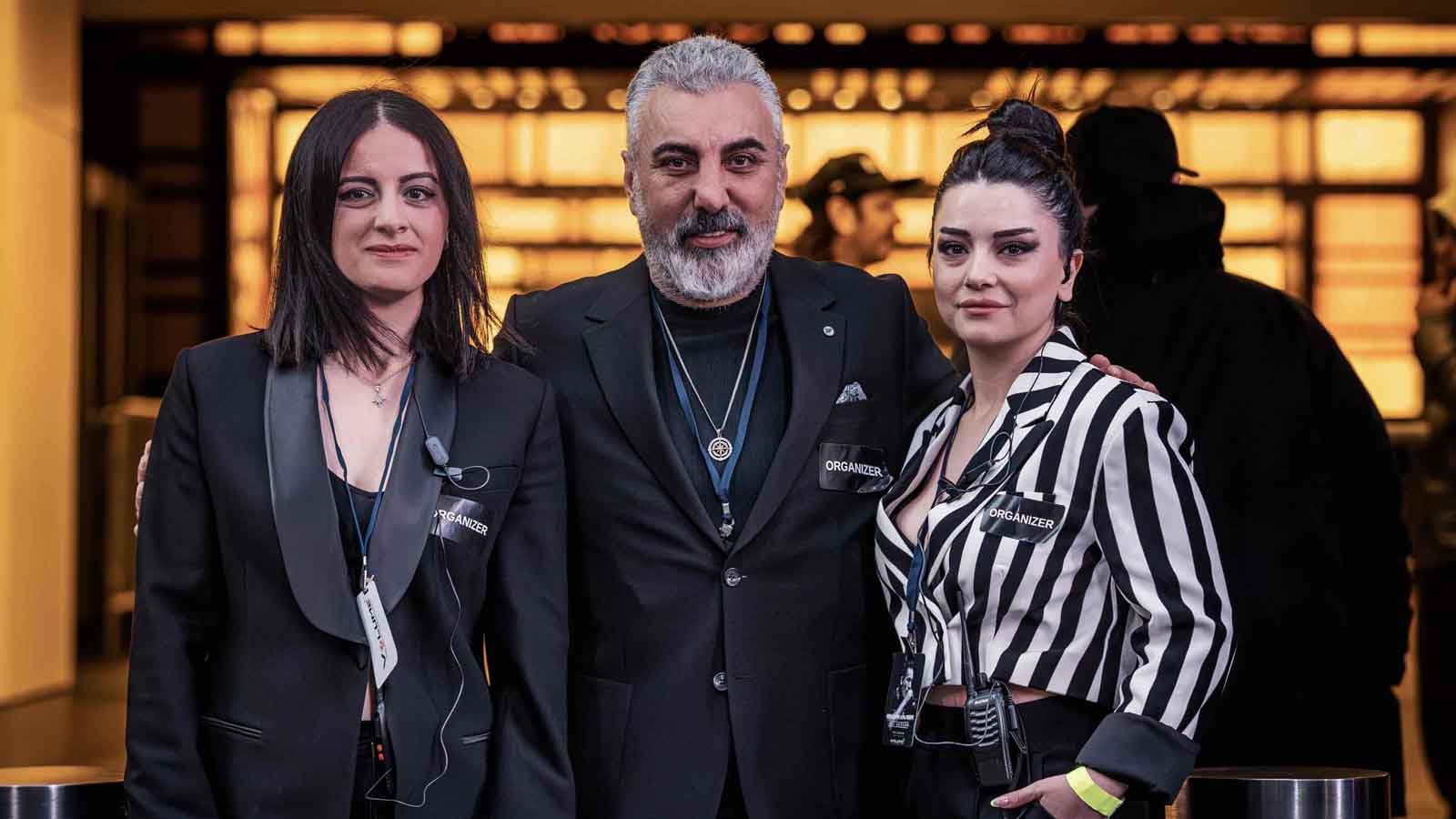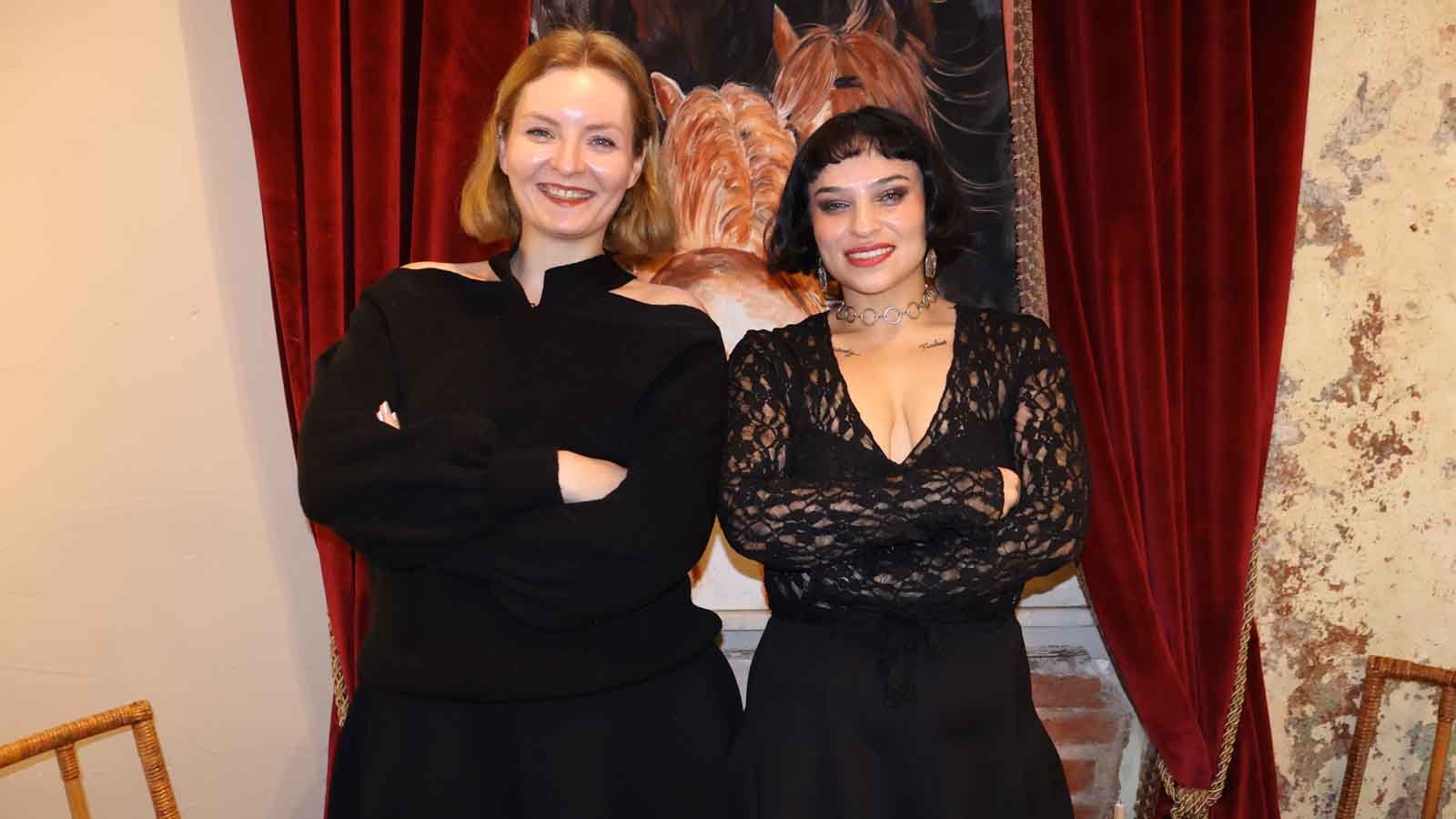
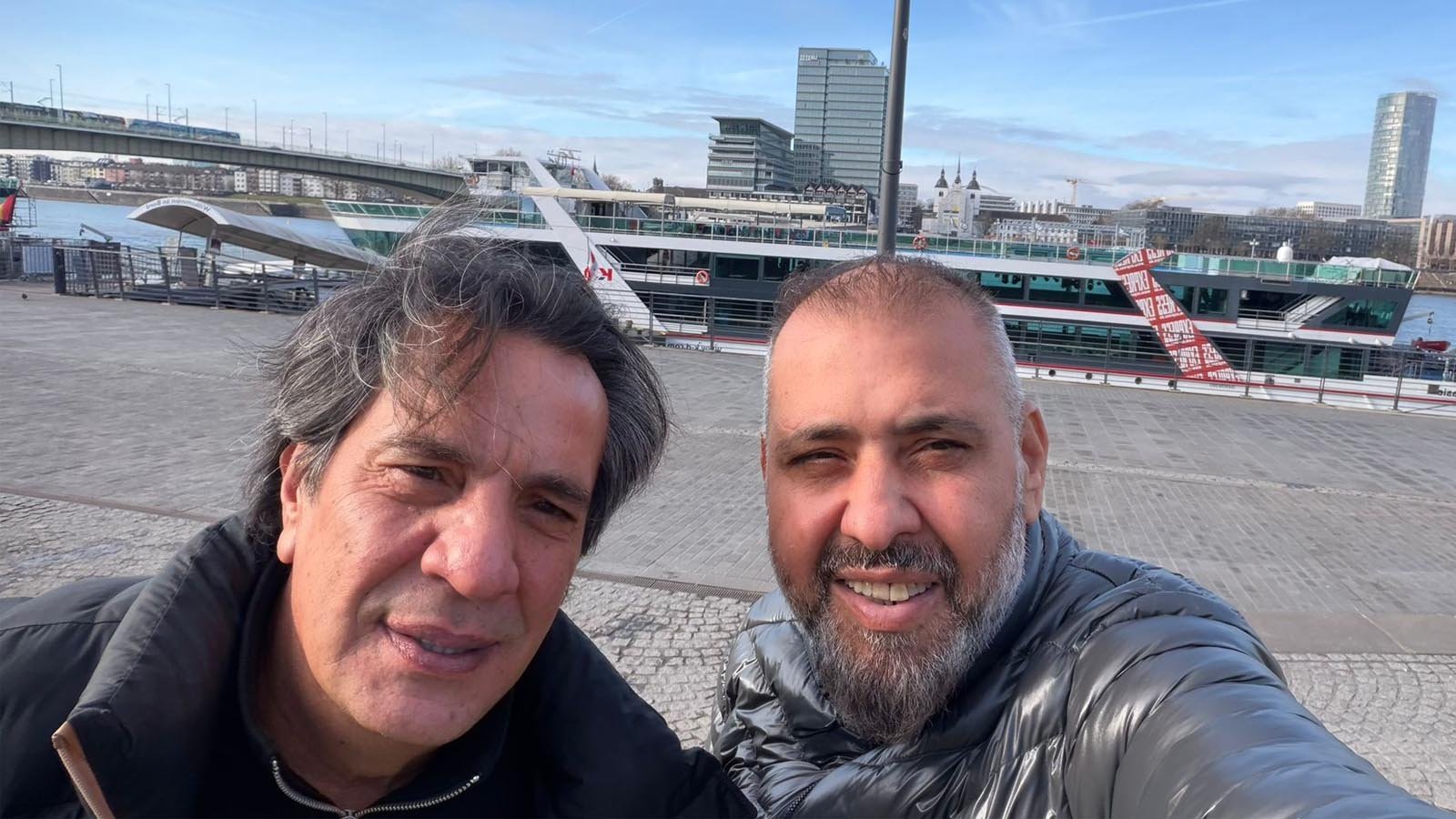
Between the dates of February 7-11, as the Chairperson of the CHP Istanbul Provincial Tourism Commission, together with Sinan Karaca Öztürk, the CHP Istanbul Provincial Vice Chairperson responsible for Social Policies, we carried out a comprehensive visit to Cologne, the largest city of North Rhine-Westphalia state in Germany.
The main purpose of our visit was to examine on-site the cultural, economic, and religious differences between our Roman citizens in Turkey and Roman citizens living in Germany, and to document these sociological observations in a report. In addition to this fieldwork, we also had the opportunity to scrutinize Cologne’s tourism structure and urban dynamics. Within the scope of our program, we also visited the CHP Germany Federation President, Özgür Uçma, and held a highly productive and effective meeting. During our conversation, we reached a consensus on our party’s activities in Germany and potential cooperation solutions that could be implemented in the future.
I would like to share with you some fundamental observations that caught my attention during my time in Cologne, both as a politician and as an observer.
Cologne, or Köln, is the fourth largest city in Germany and the largest city in the state of North Rhine-Westphalia, with a population of approximately 4 million and an area spanning 405 km². It is located not only in the center of Germany but also of all Europe, at the intersection of road and railway networks and on the busiest section of the Rhine River. It is a compact, clean city that has preserved its historical texture. It makes you feel at every step that it is one of Germany’s oldest cities. With its thirty museums and one hundred and twenty art galleries, it is a true “city of culture and art.”
Besides being the state’s most important center for culture, science, art, commerce, and entertainment, Cologne is also a crossroads for rail and air transport networks. The Rhine River divides the city into two banks. Historical buildings are located on the left bank of the river, while the modern structures of the city are on the right bank. During our visit, we wanted to take a boat trip on the Rhine, but the immediate suspension of tourist trips due to the risk of river flooding demonstrated how ingrained the “safety first” approach is.
Both banks of the river are connected by eight bridges, two of which are railway bridges.
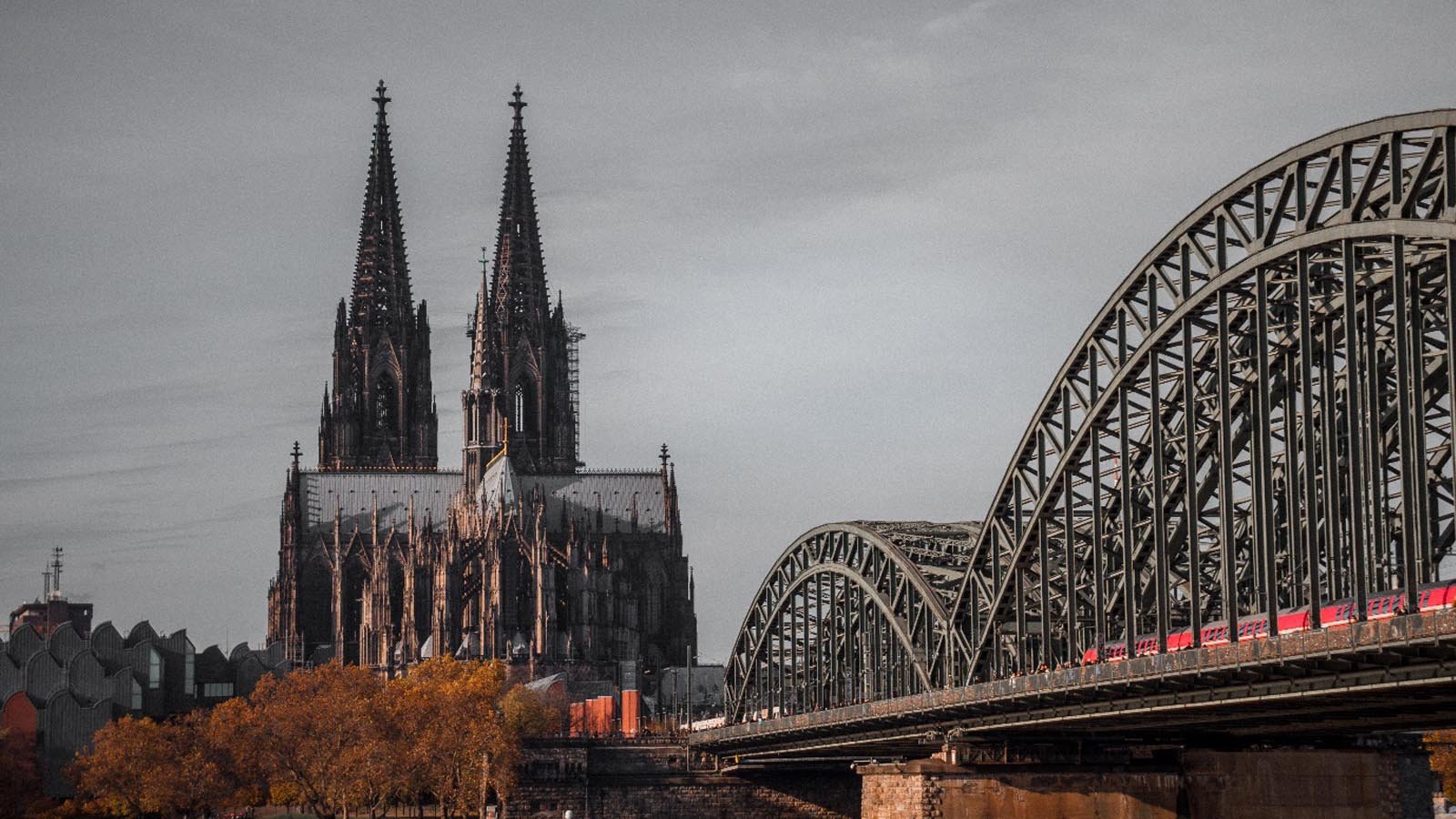
One of these is the Hohenzollern Bridge, one of the most important bridges from the World War II era. The bridge, built between 1907 and 1911, did not suffer severe damage despite aerial bombardments. However, it was blown up by a German engineer unit on March 6, 1945, when the Allied Forces began to occupy the western bank of Cologne. It was reconstructed and opened for pedestrian traffic by May 8, 1945, when the war ended. Today, the Hohenzollern Bridge, with a total length of 409.19 meters, carries the railway line extending from Aachen to Cologne. With over 1,200 trains passing daily, the bridge is considered an important part of Cologne.
The other railway bridge, the Severins Bridge, is the first bridge built in Cologne after World War II. The most important feature of the bridge, opened in 1959, is that its deck is cable-stayed with steel ropes and has an asymmetrically placed A-shaped plan. This kept the Deutz harbor usable for coastal motor vessels and also did not obstruct the view of the cathedral and the old town on the left bank of the Rhine. The Severins Bridge has a separate railway deck and connects inner-city vehicle traffic to the ring roads over the Rhine River and the Rhine port. The bridge, painted green like the city’s other bridges, has been registered as a historical monument since 1989.
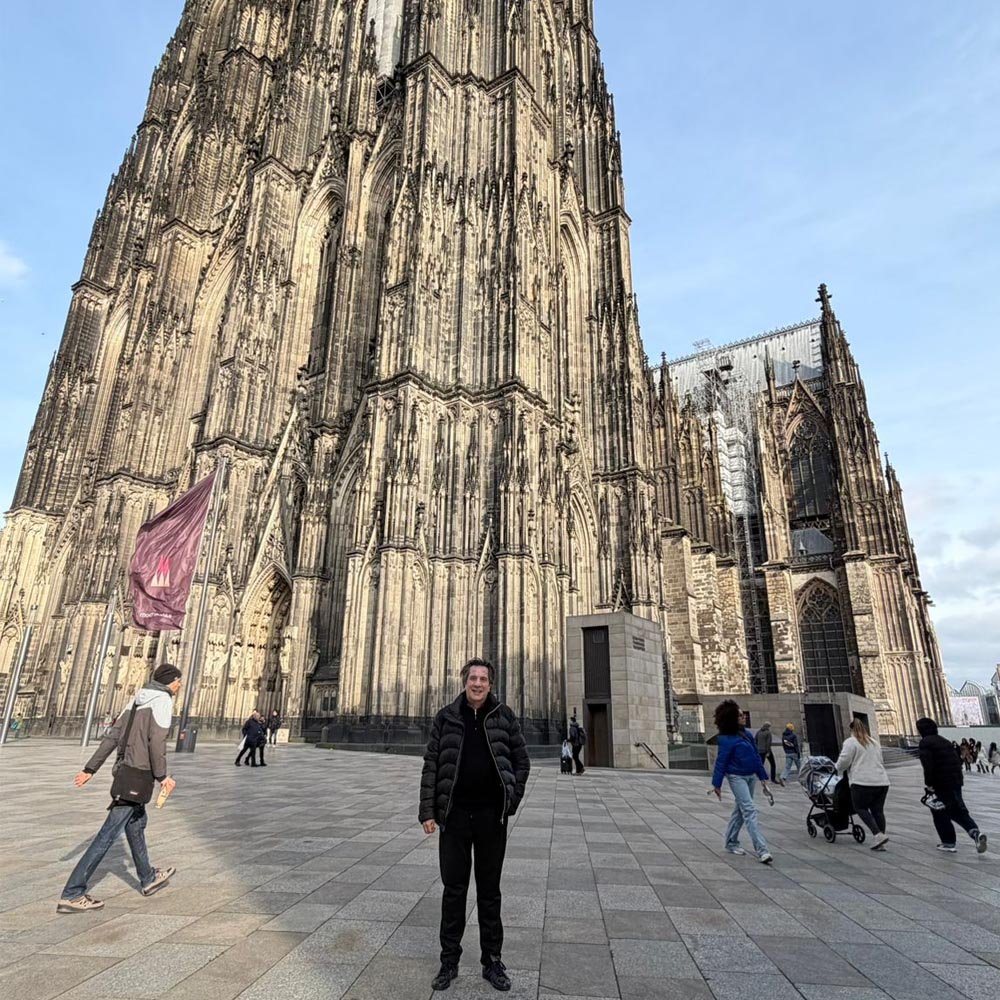
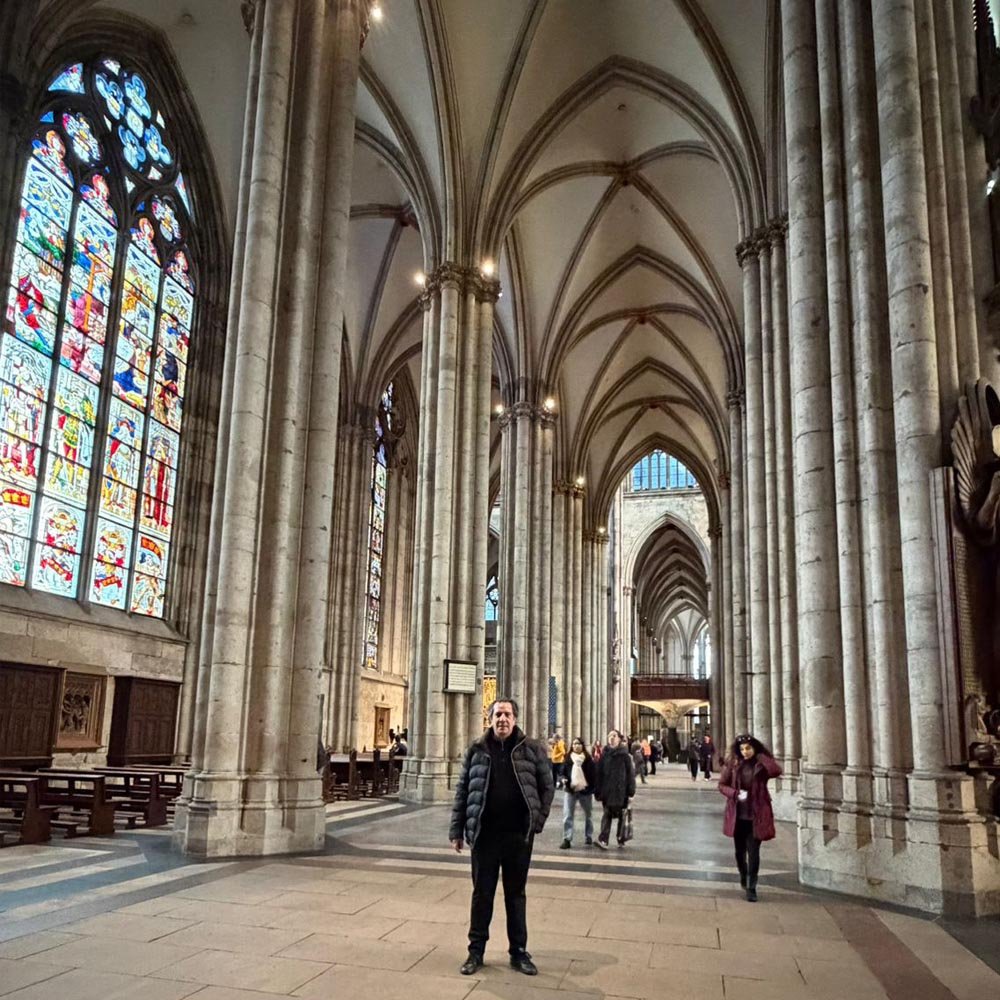
The city’s most famous structure is Cologne Cathedral, a place of worship opened for the Catholic denomination of Christianity. Construction of Cologne Cathedral, completed between 1248 and 1880 over exactly 632 years, was built on an area of 7,000 m². The cathedral, which reaches a height of 157 meters, is Gothic in style and has twin towers; it is on the UNESCO Cultural Heritage list.
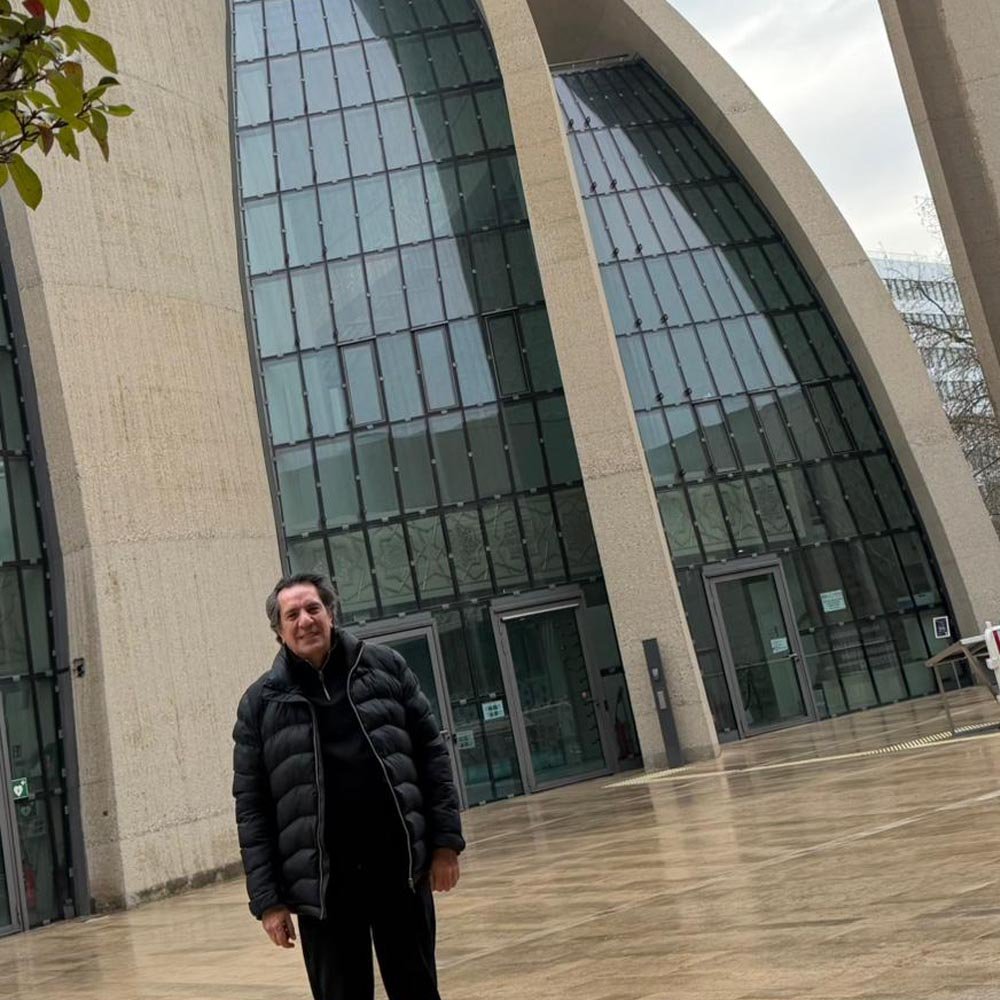
One of the important structures in Cologne is the Cologne Central Mosque. Covering an area of 4,500 m², the mosque can accommodate between 2,000 and 4,000 people. Construction of the mosque, which has a glass dome 35 meters high and two minarets 55 meters high, began in 2009. The mosque, opened for worship in 2017, has a restaurant, prayer hall, library, and Islamic cultural center.
Technology and Planning Power in Urbanism
While entering the city from the airport, I did not see a single example of illegal construction or unplanned urbanization on either side of the road; everywhere was covered and green with forests. In the city center, houses are generally two stories high, and the roofs are built at a very steep angle to prevent snow accumulation. The integration of bicycle lanes and roads is so flawless that, thanks to everyone strictly adhering to the rules, there isn’t the slightest disruption in traffic. I couldn’t help but think, “Hopefully the same for Turkey someday.” In terms of urbanism, although Cologne has a population similar to Balıkesir’s, it far exceeds expectations in planning.
The technological gap between Germany and us is clearly felt in the field of telecommunications. While Germany began testing 5G technology in pilot regions in 2019 and activated it nationwide in 2020, we are still using 4.5G in our country. This is not just a matter of speed; it is also a serious factor weakening our competitiveness in terms of tourism and the digital economy.
The Reality of “Turkish Standards” in Tourism and Gastronomy
As someone from the tourism sector, although I appreciate the value Germany places on its touristic assets and visitors, I can comfortably say that they cannot even come close to Turkey in terms of service quality and gastronomy. However, the accommodation and service sector was a complete disappointment. During our stay at the Novotel, we did not encounter any of the services considered the most basic standards in Turkey, such as slippers, water, or a telephone in the rooms. If you get thirsty at night, there is no water in your room; the only solution is to fill your carafe from the dispenser in front of the reception and carry it to your room. It was a striking class observation that while the hotel management consisted entirely of “white-collar” Germans, all the remaining staff were immigrants.
I can summarize the weakness in service quality with this example:
When I asked a waiter for a ballpoint pen to write something, he said he had only one pen and couldn’t give it to me. When I asked him to source one from elsewhere, I received the answer, “unfortunately, there isn’t one.” When we compare this with Turkish hospitality and solution-oriented approach, they are “head and shoulders” below us in terms of service. They are also far from Turkey’s richness in gastronomy and breakfast culture.
Social Life and a Painful Picture
20% of the city’s population is foreign, and thanks to 60% of this foreign segment residing in the city, the city has a cosmopolitan structure. From the moment you step into the city, a disciplined social life greets you. For example, the fact that even street musicians are only allowed to perform within certain hours appears as a civilized solution the city has developed against noise pollution.
There is a dense Turkish population in Cologne; they are everywhere in the city, both as residents and business owners. The native inhabitants of the city are extremely respectful towards each other and adhere to the rules. The sensitivity shown regarding Animal Rights is fascinating. While walking at night, I saw lights on dogs’ collars; this is a simple yet effective measure taken to prevent potential accidents. The observation of the Turkish taxi driver I rode with, stating, “They are far ahead of Turkey in every respect,” was etched in my memory as an important reality we need to ponder.
On the last day of my visit, I stopped by the Turkish neighborhood in Cologne. While the rest of the city was spotless, the scene I encountered when I entered the Turkish neighborhood deeply saddened me as a Turk. Hygiene issues, ranging from cigarette butts on the ground to garbage, unfortunately require us to engage in cultural self-criticism.
In conclusion, while Cologne teaches us many lessons with its urban planning and technological discipline, it made me understand once again how valuable Turkey’s potential is in terms of the service sector, gastronomy, and human warmth.
As someone involved in tourism, I also wanted to share Cologne’s tourism statistics here.
Cologne City Tourism Statistics Report
- Overview
Cologne is one of Germany’s most important urban tourism centers and is a strong destination in the fields of cultural tourism, fair-congress tourism (MICE), event tourism, and city tourism. In the post-pandemic period, city tourism has shown rapid recovery, and visitor numbers have exceeded those of previous years.
- Current Tourism Data (2024)
2.1 Visitor and Overnight Stay Numbers
Total number of visitors: approximately 4.2 million
Total number of overnight stays: approximately 7.1 million
Increase compared to the previous year:
Visitor numbers: 8% increase
Overnight stays: 7.9% increase
These figures indicate that Cologne tourism has achieved a strong growth trend in the post-pandemic period.
2.2 Tourist Profile
Approximately 64% of visitors are domestic tourists (from within Germany)
Most important international tourist markets: United Kingdom and Netherlands
An increase in the rate of international tourists has been observed in recent years.
2.3 Contribution to the Tourism Economy
Total contribution of tourism to the city economy: approximately €5.49 billion
For the city economy, tourism is an important source of income in the accommodation, gastronomy, transportation, and retail sectors.
2.4 Accommodation Capacity
Total hotel bed capacity: approximately 37,700
Average occupancy rate: 55.8%
The city has an extensive hotel and accommodation infrastructure.
2.5 Event and Congress Tourism (MICE)
Cologne is one of Germany’s important fair and congress cities.
Data for 2024:
Total number of events: 42,300
Number of participants: 7.1 million
This shows that city tourism is strong not only for holiday purposes but also in terms of business and organizational tourism.
- Tourism Trends in Recent Years
| Year | Visitor Numbers | Overnight Stays |
|---|---|---|
| 2024: | 4.2 million | 7.1 million |
| 2023: | 3.8 million | 6.6 million |
| 2022: | 3.2 million | 5.6 million |
Trend Assessment:
Rapid recovery occurred post-pandemic.
Tourism demand is continuously increasing.
In 2024, the highest number of overnight stays in the city’s history was recorded.
- Main Features of Cologne Tourism
- Strong city tourism destination
- Important center for culture and history tourism
- High share of fair and congress tourism
- International visitor rate is increasing
- High contribution of tourism to the city economy
- Cologne’s Place in German City Tourism
5.1 Position in Germany
Cologne ranks among the most visited destinations in Germany for city tourism. Thanks especially to fair tourism, cultural tourism, and event tourism, it holds a significant share in the country’s tourism.
In terms of overnight stays, Cologne generally ranks high alongside the following cities:
- Berlin – Germany’s largest tourism destination
- Munich – center for culture and business tourism
- Hamburg – port and city tourism
- Frankfurt am Main – finance and fair tourism
- Düsseldorf – trade and fashion tourism
Cologne is one of Germany’s strongest cities, particularly regarding fair and congress tourism, and is shown among the destinations with high expenditure per visitor.
5.2 Cologne’s Strengths in City Tourism
- One of Europe’s important fair centers (the Koelnmesse effect)
- Cultural heritage and history tourism
- Large-scale event and festival tourism
- Rhine River city tourism
- One of Germany’s largest carnival events
These features make Cologne a strong city not only for holidays but also for business and event tourism.
- Cologne’s Touristic Attractions and Visitor Numbers
Below are the city’s most important touristic points and estimated annual visitor numbers (based on average data from municipal and tourism institutions).
6.1 Kölner Dom (Cologne Cathedral)
- Annual visitors: 6 million+
- UNESCO World Heritage Site
- One of Germany’s most visited touristic structures
- Main attraction of Cologne tourism
6.2 Museum Ludwig
- Annual visitors: approximately 700,000
- Modern art collections (including works by Picasso)
- One of Europe’s important modern art museums
6.3 Schokoladenmuseum Köln (Cologne Chocolate Museum)
- Annual visitors: approximately 650,000
- One of Cologne’s most popular thematic museums
- Important for family tourism
6.4 Cologne Zoo (Kölner Zoo)
- Annual visitors: approximately 1.8 million
- One of Germany’s oldest and largest zoos
6.5 Hohenzollern Bridge
- No official visitor count (public space)
- Photography tourism and city landmark
- Famous for love locks
6.6 Cologne Old Town (Altstadt)
- Annual visitors: several million (estimated)
- Historical architecture, restaurants, and shopping areas
- Center for culture and city tourism
6.7 Cologne Carnival (Kölner Karneval)
- Annual participants: approximately 1–1.5 million visitors
- One of Europe’s largest street festivals
- Provides significant economic contribution to city tourism
Overall Assessment
Cologne is a strong destination ranking high within German city tourism. Particularly Cologne Cathedral, museums, events, and fair tourism play a decisive role in the city’s high visitor numbers. The city’s touristic structure has a diversified profile consisting of a combination of culture, event, and business tourism.
Murat TÜZEL
Chairperson of the Commission Responsible for Tourism, CHP Istanbul Provincial Presidency
Chairperson of the Tourism Commission, Şişli City Council
Member of the World Federation of Travel Journalists and Writers (FIJET)