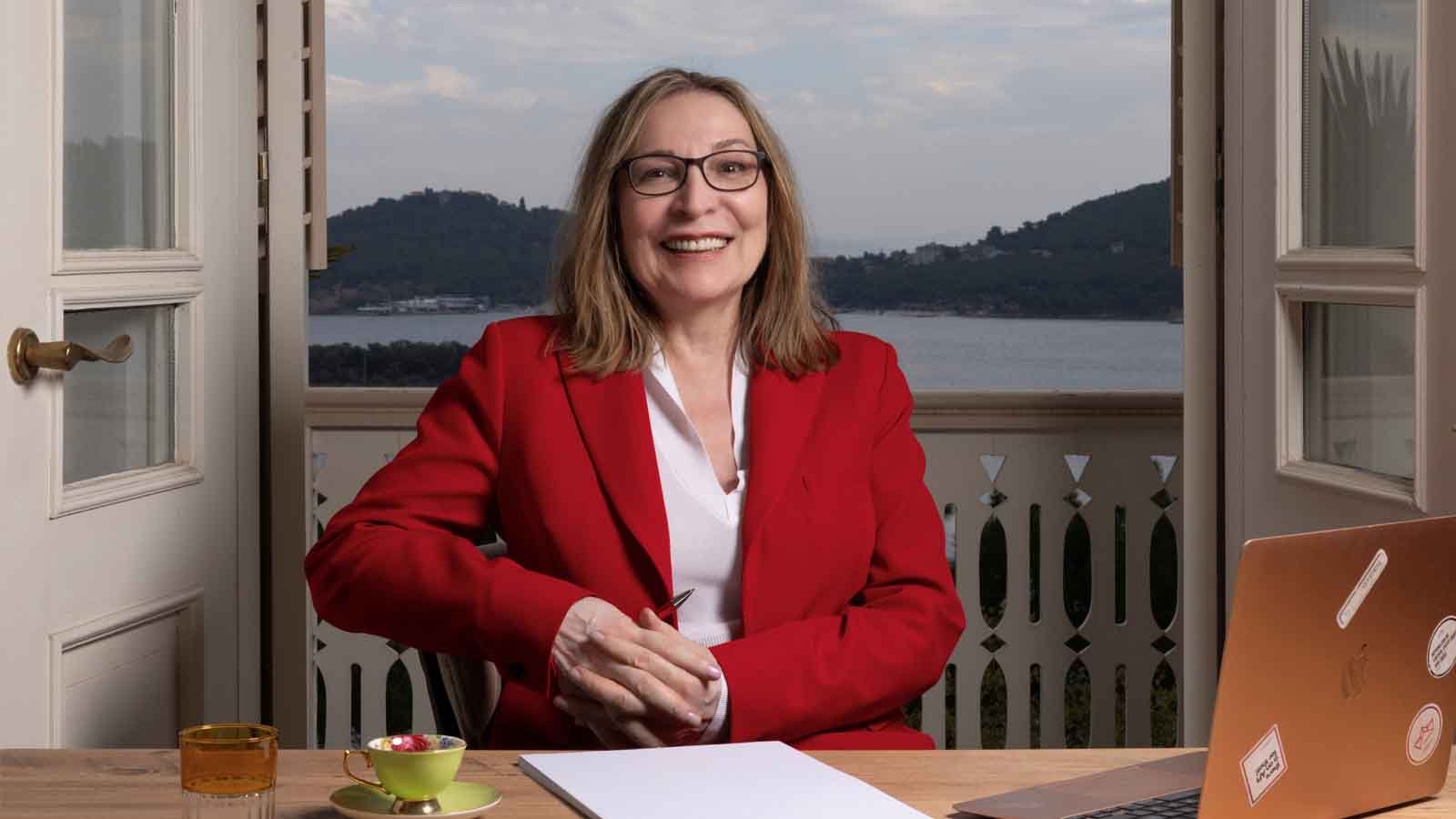
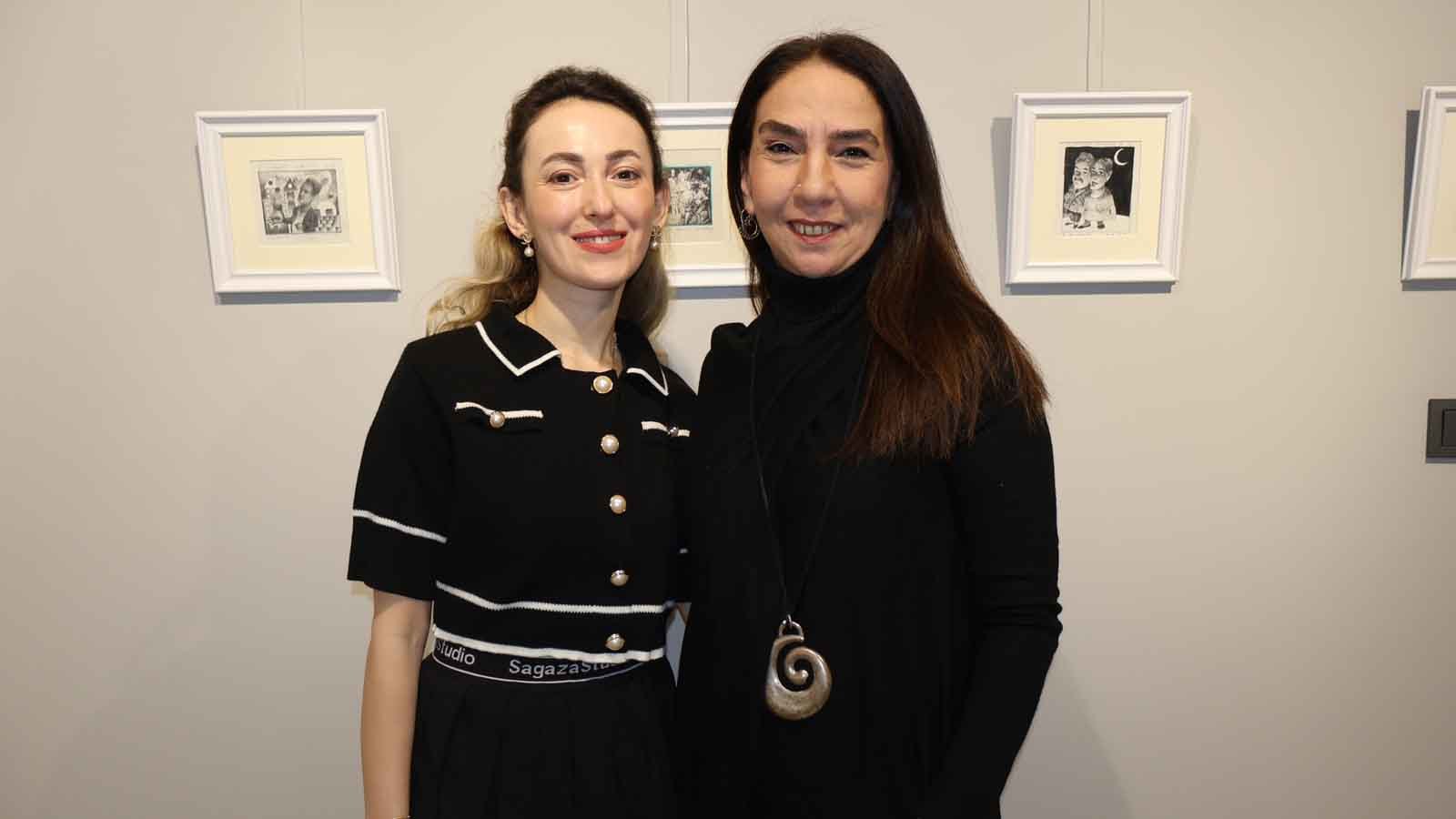
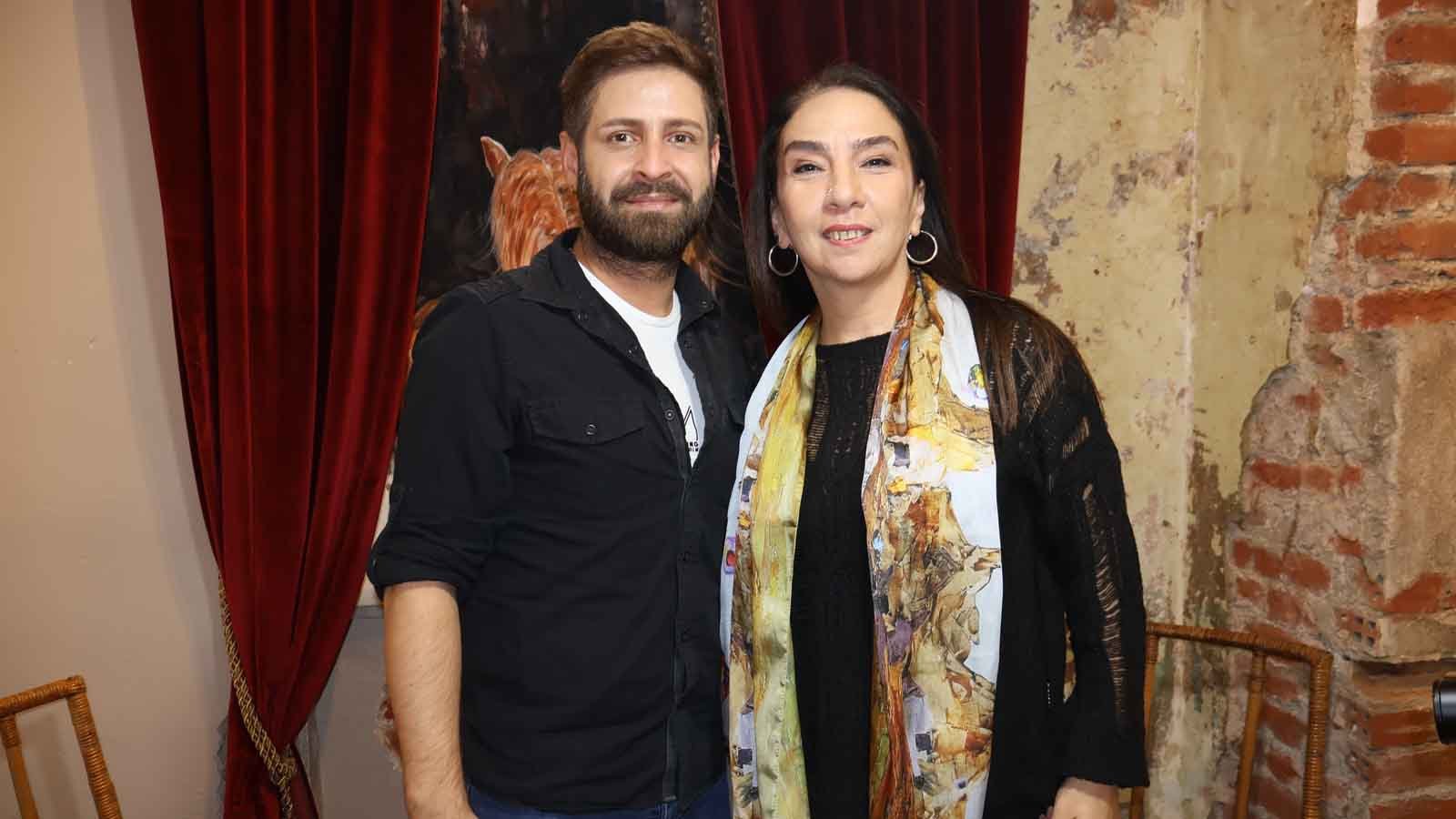
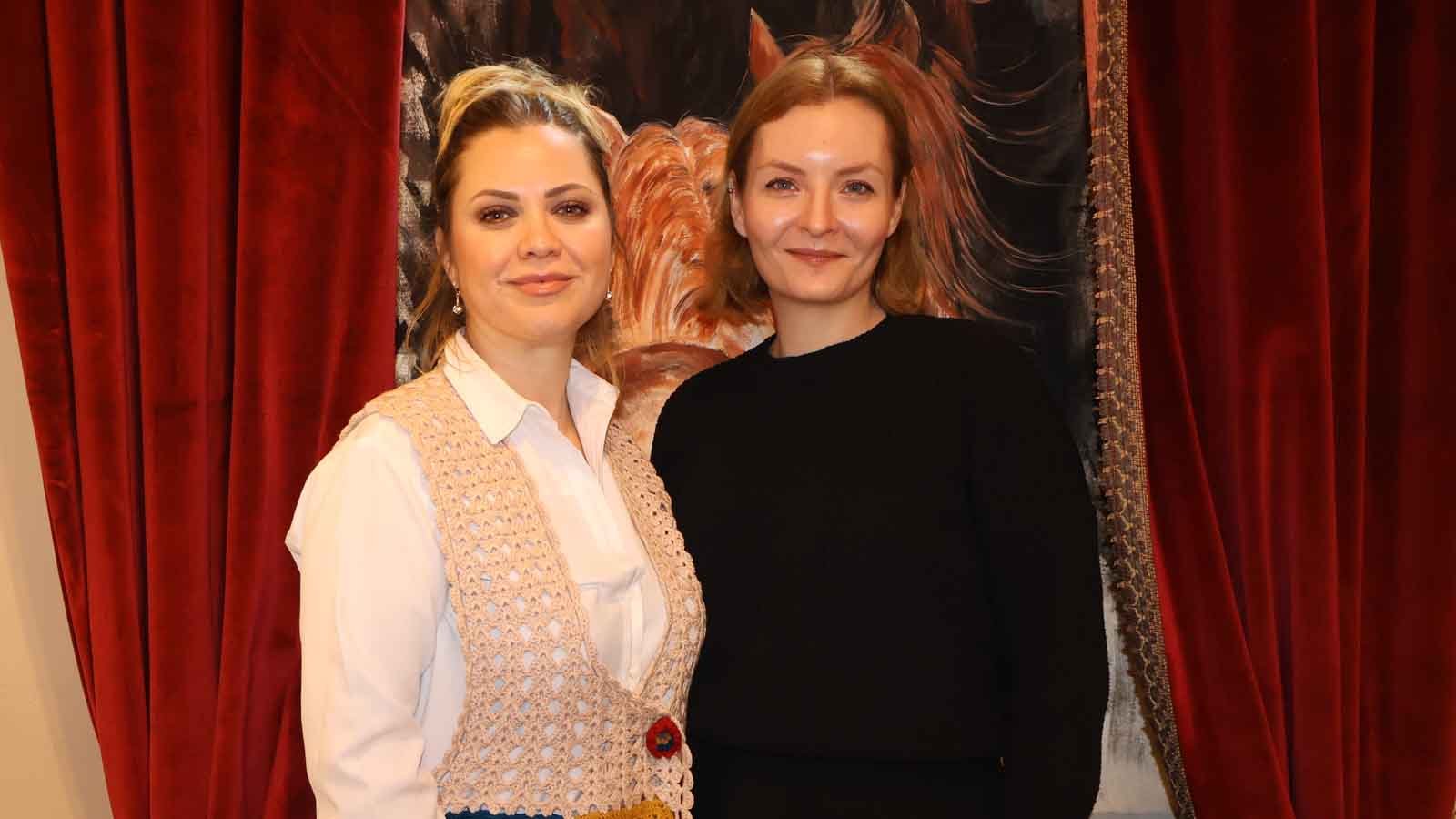
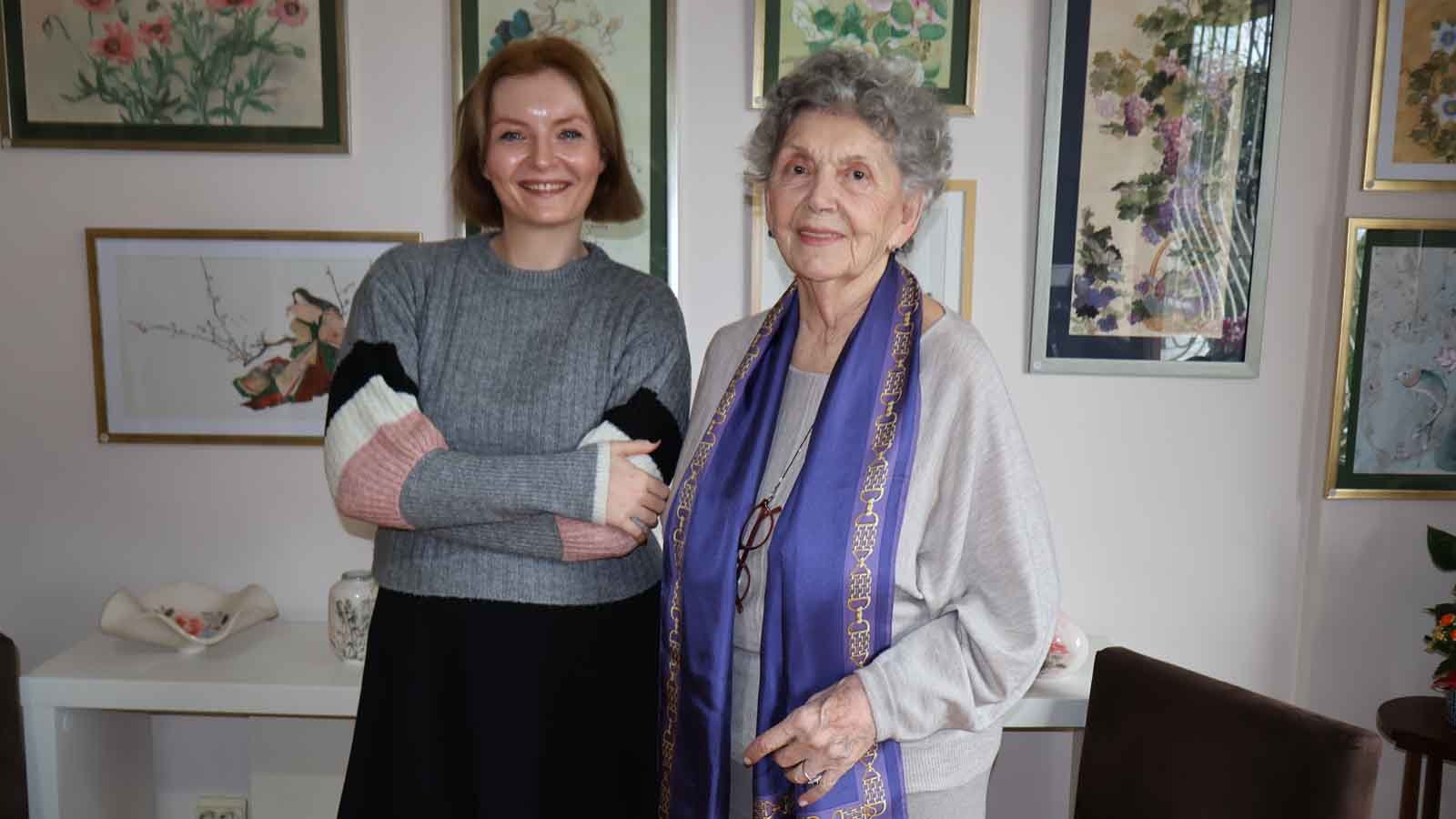
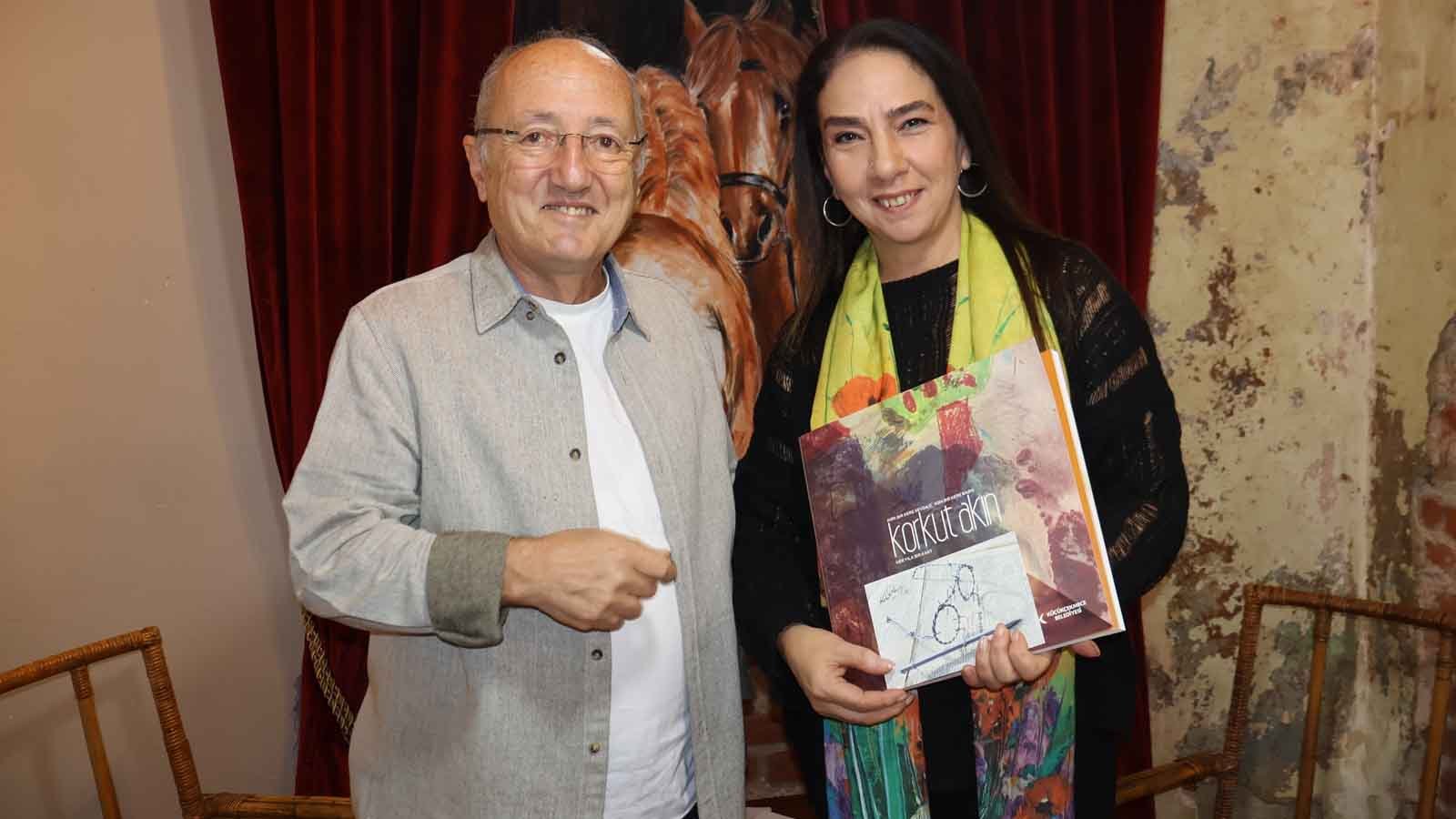
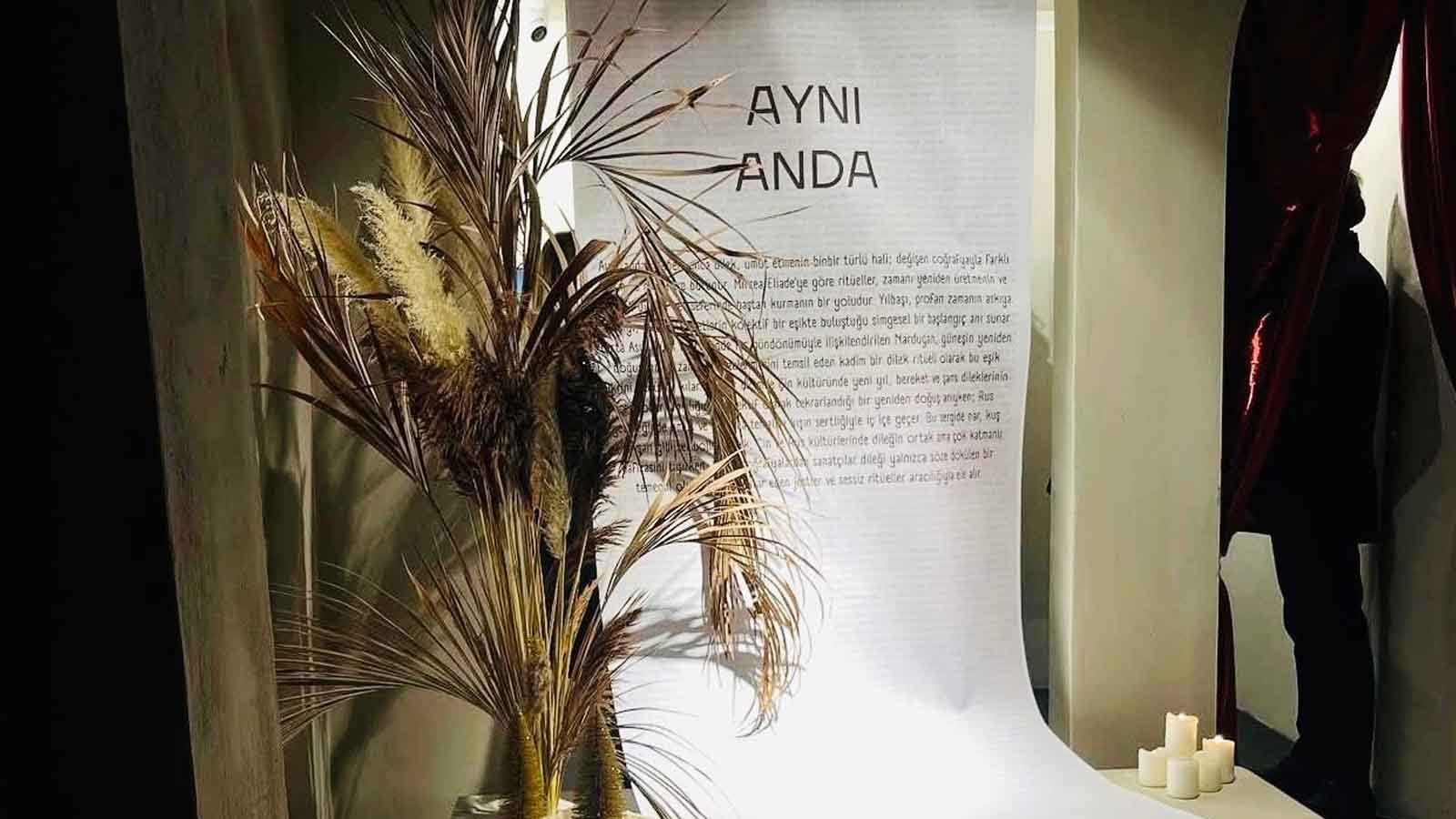
In the 73rd episode of the program “Sanatın Evrimi” (The Evolution of Art), published in collaboration with Evrim Sanat and Mikado İletişim, the esteemed artist and educator Merih Yıldız was the guest of host Günsu Saraçoğlu. The program invited art lovers to witness Yıldız’s artistic journey, educational philosophy, and striking views on today’s art world.
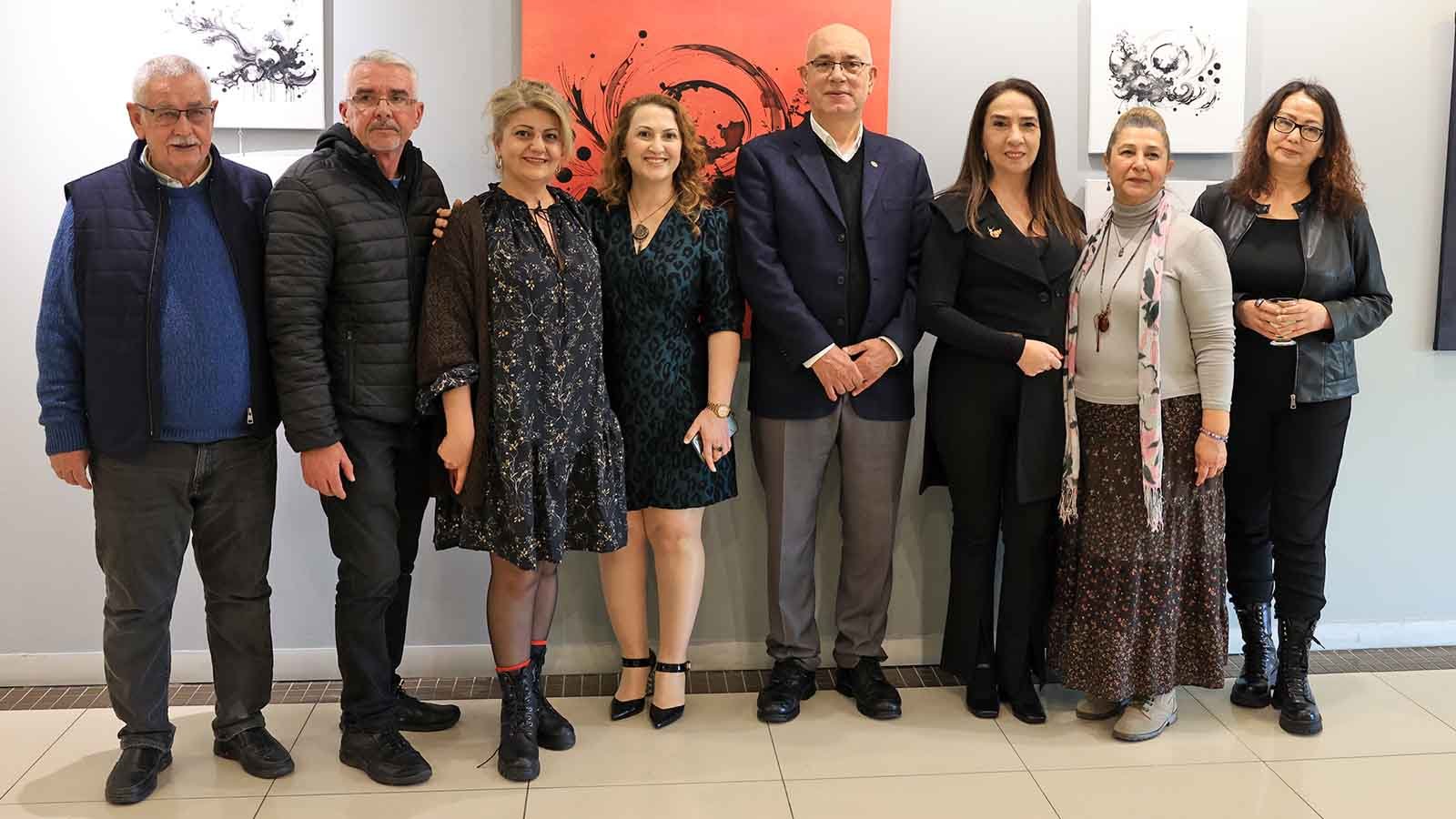
Merih Yıldız spoke about her studio and the vibrant artist community located in the historic Tokatlıyan Han on Beyoğlu’s İstiklal Street. She emphasized that the building is returning to a concept where studios and galleries coexist, much like in Paris in the early 1900s. Yıldız highlighted that the “Open Doors” events, in particular, have turned the han into an art hub. She explained that during these biannual events, artists open their studio doors to visitors for a week, chat about their work, and invited all art enthusiasts to visit the studios in Tokatlıyan Han.

Yıldız expressed that her education at Mimar Sinan Fine Arts University laid the foundation for her career. After graduating from the Painting Department in 2003, she completed her master’s degree with honors in the Basic Art and Design Department of the same university in 2020. She mentioned the names of professors who deeply influenced her: Cihat Aral, who provided artistic insight by making the student confront themselves; Mehmet Mahir, who taught her “persistence” and suggested she paint the daily life of Beyoğlu; and Şükrü Aysan, who encouraged her to explore conceptual art. She underlined that drawing from these three different disciplines was a great advantage in forming her own unique artistic synthesis.

The artist described the evolution of her work since her first solo exhibition, “Witness of the City” (Kentin Tanığı). She said that in her early periods, she painted the fabric of the city, its architecture, and human relations with a figurative approach, but over time, the concretization of Istanbul and the alienation of people began to disturb her. This transformation pushed her to use a metaphorical language. During a workshop in the Toros Mountains, the idea of “migrating scarecrows” appeared in her mind. In her works, she began to use images like scarecrows and flying toys, symbolizing people distanced from nature and their inner selves in a world where fields no longer exist, and concrete and loneliness prevail. She stated that her aim is to clean the “dusty toys” inside the viewer and evoke a smile for forgotten happiness and childlike purity.
Merih Yıldız shared the philosophy she adopts as an educator. She stressed that she believes the “competition” logic in art education is shallow and limits horizons. She stated that constantly telling students their mistakes could deter them from education; instead, it is essential to encourage them based on the good things they can do and to help them take a step forward from where they are. According to her, art is a form of therapy, rehabilitation, and meditation. She emphasized that the primary goal in her lessons is to learn and improve while having fun, keeping positive energy high.

Towards the end of the program, Yıldız shared her views on today’s world and the social role of art, displaying an optimistic perspective. She expressed her belief that humanity’s mental evolution is progressing positively. Addressing all her fellow artists, she gave the message: “It’s so good that you exist. You are very much needed in this country. We must always encourage each other.” According to her, one artist’s exhibition is an exhibition for all of us, and an artwork sold by one artist is hopeful news for everyone.