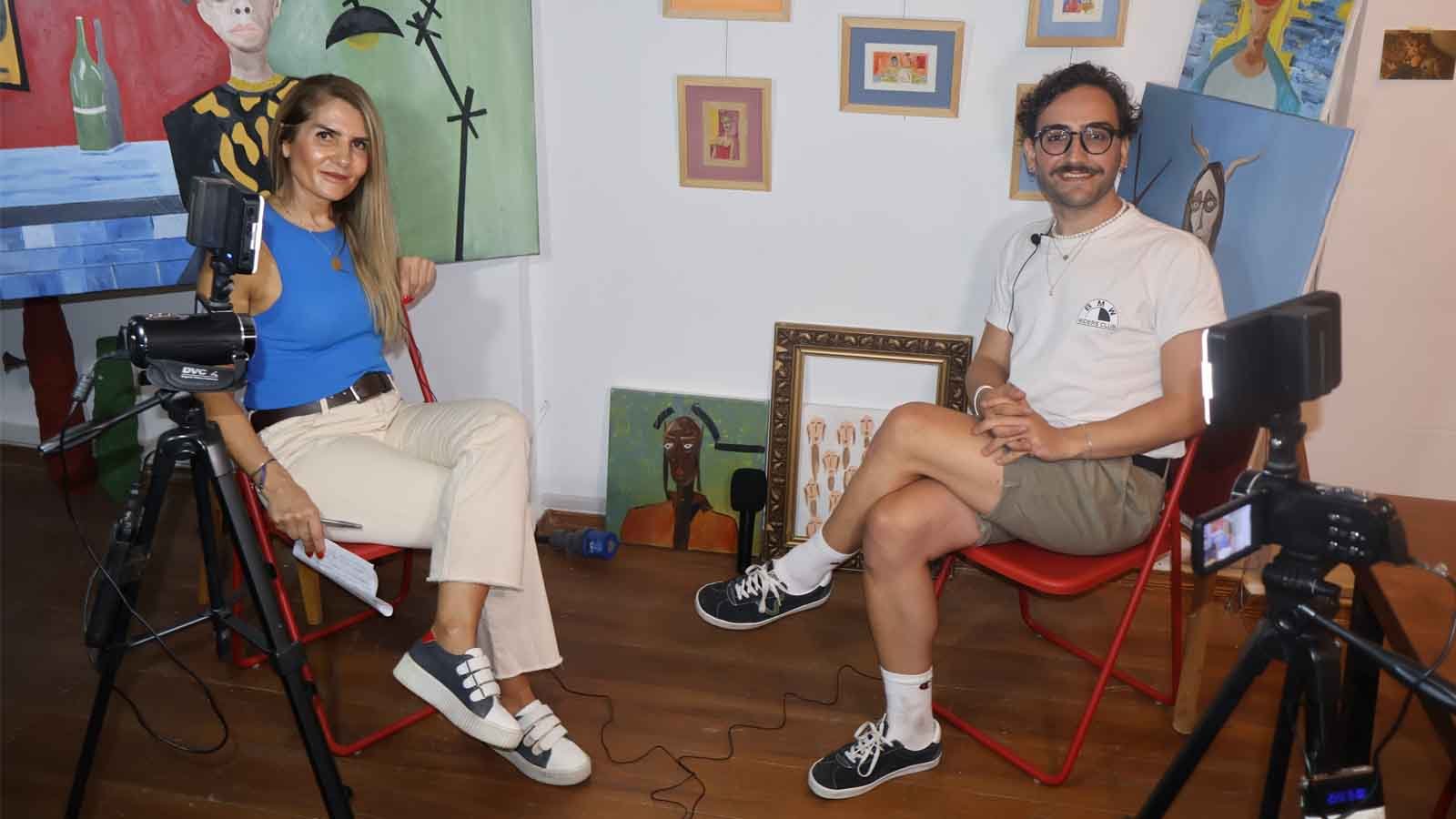
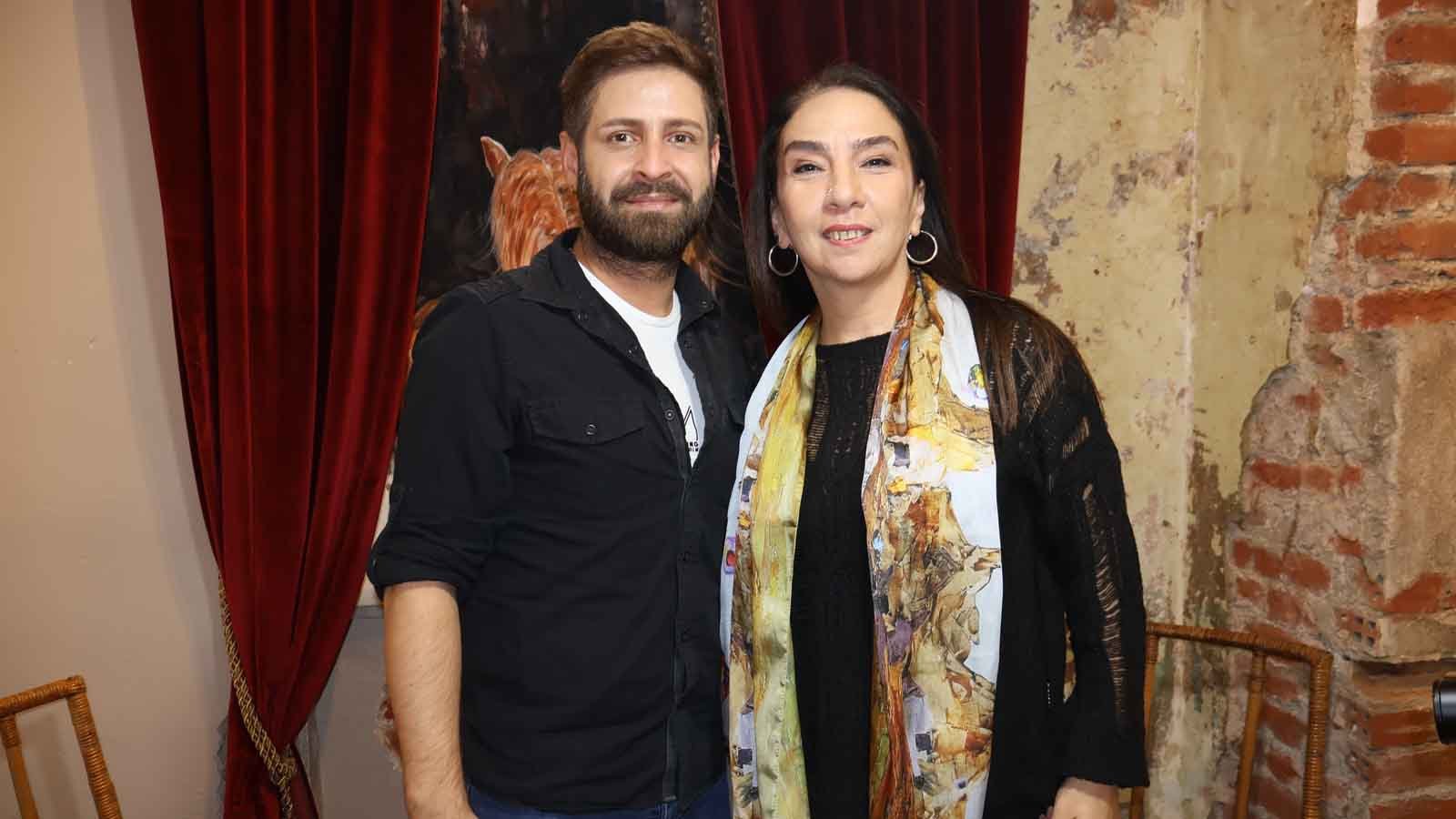
“Rengârenk”, a program that captures the pulse of the cultural and artistic world and is presented by Zehra Aksoy, once again offered an inspiring interview to art enthusiasts in its second episode. This week’s guest was the young artist Bahadır Kurt, known for his emotionally charged painting language, deformation technique, and unique use of color. The interview took place in a sincere and intimate atmosphere at the artist’s studio in Beşiktaş, where he both lives and creates.
While describing his journey toward art, Bahadır Kurt spoke of his dissatisfaction with corporate life and the fragile impact of the period when he first encountered glass. “While working at the institution, I felt like something inside me was fading… I wanted to create something when I got home at night, but I couldn’t. I started painting at night. Then one day I realized that corporate life no longer appealed to me at all,” he shared, revealing the turning point in his career. He particularly emphasized how his experience with fused glass deeply influenced his aesthetic perception and approach to deformation.
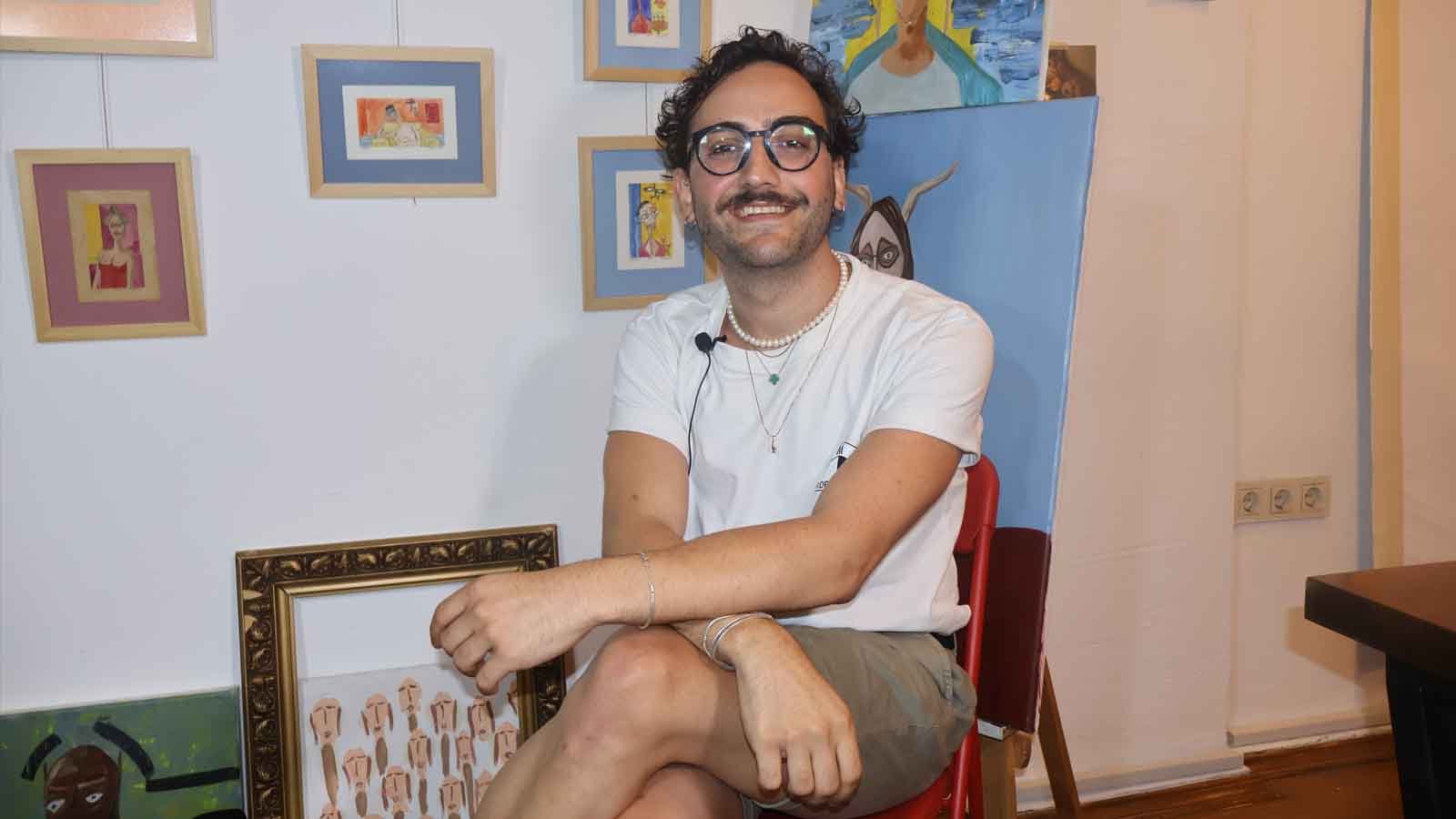
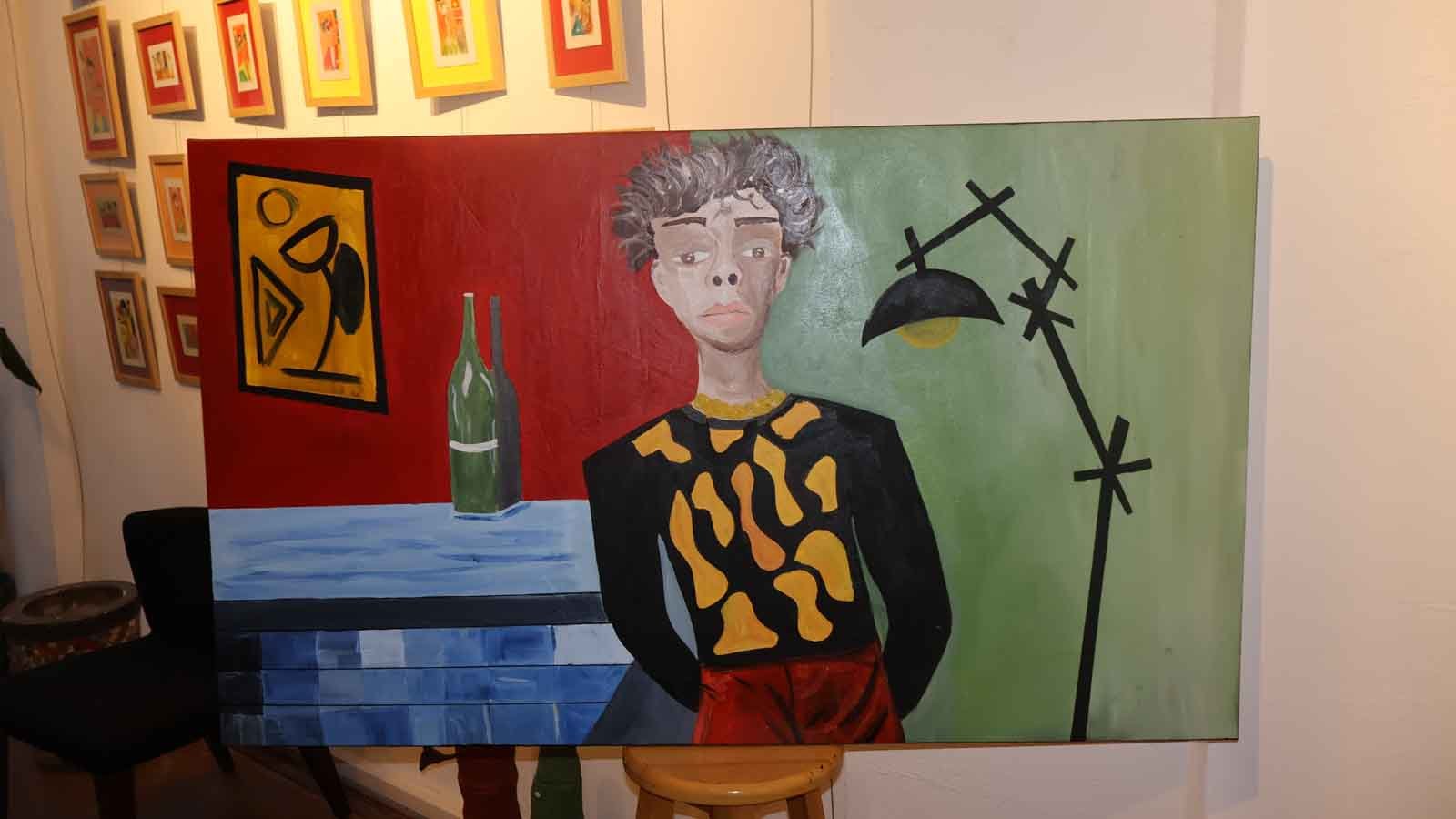
Behind the distorted, elongated, and fragmented figures that stand out in the artist’s paintings lies a personal history. Bahadır Kurt explained that these figures reflect the sense of exclusion he experienced during his childhood, stating, “I struggled a lot in school; I felt marginalized. That shaped the way I approach people. My figures are somewhat broken for this reason… because I felt that way too. But at the same time, they are strong, because there is a struggle within them,” thereby revealing the psychological depth of his work.
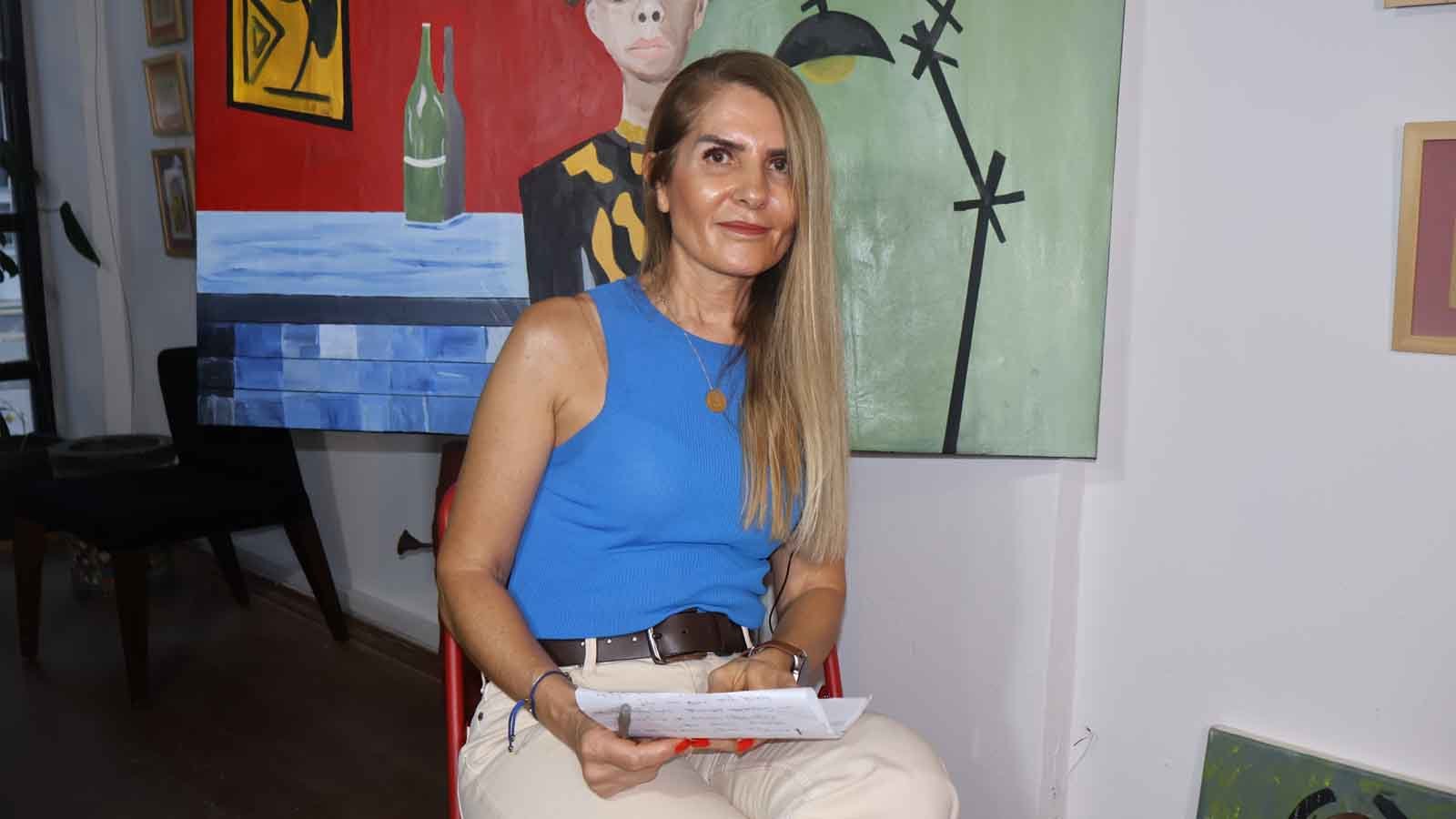
Bahadır Kurt’s relationship with colors has evolved over time. In the interview, he said that in his early periods he worked with dark, almost somber tones; but over time, colors began to give his figures a sense of resistance and expressive power. “My current color palette comes entirely from within. Now, colors are like the voice of my figures. They say, ‘I’m here’ with color,” he said, defining the point he has reached in his art.
The artist’s production process is highly spontaneous and flow-based. Kurt mentioned that each morning he starts painting based on his mood at that moment: “Sometimes I have no idea what will come out. I even realize afterward where a character came from, or which emotion it stemmed from,” describing his intuitive approach to creation. He also frequently emphasized that his art is not just an aesthetic practice but a spiritual release as well.
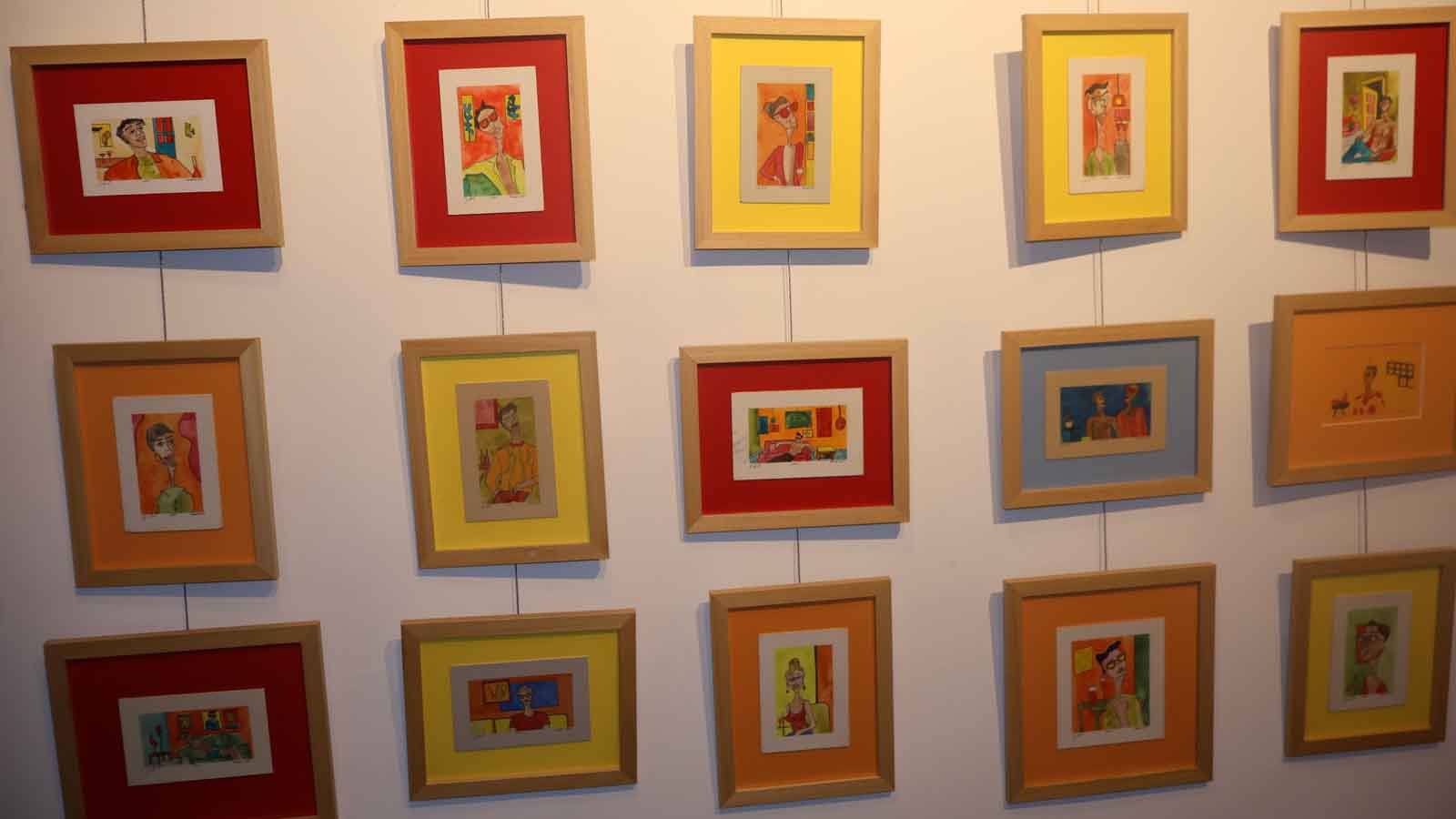
Kurt noted that he has been influenced by artists like Egon Schiele, Picasso, Basquiat, and Frida Kahlo, but instead of directly imitating them, he draws inspiration from their emotional honesty. He also mentioned a period during which he worked with watercolor, embracing lack of control and mistakes as narrative tools. “If you make a mistake with watercolor, there’s no going back. That really relieved me. Because I was no longer afraid of mistakes,” he said—words that summarize his artistic courage.
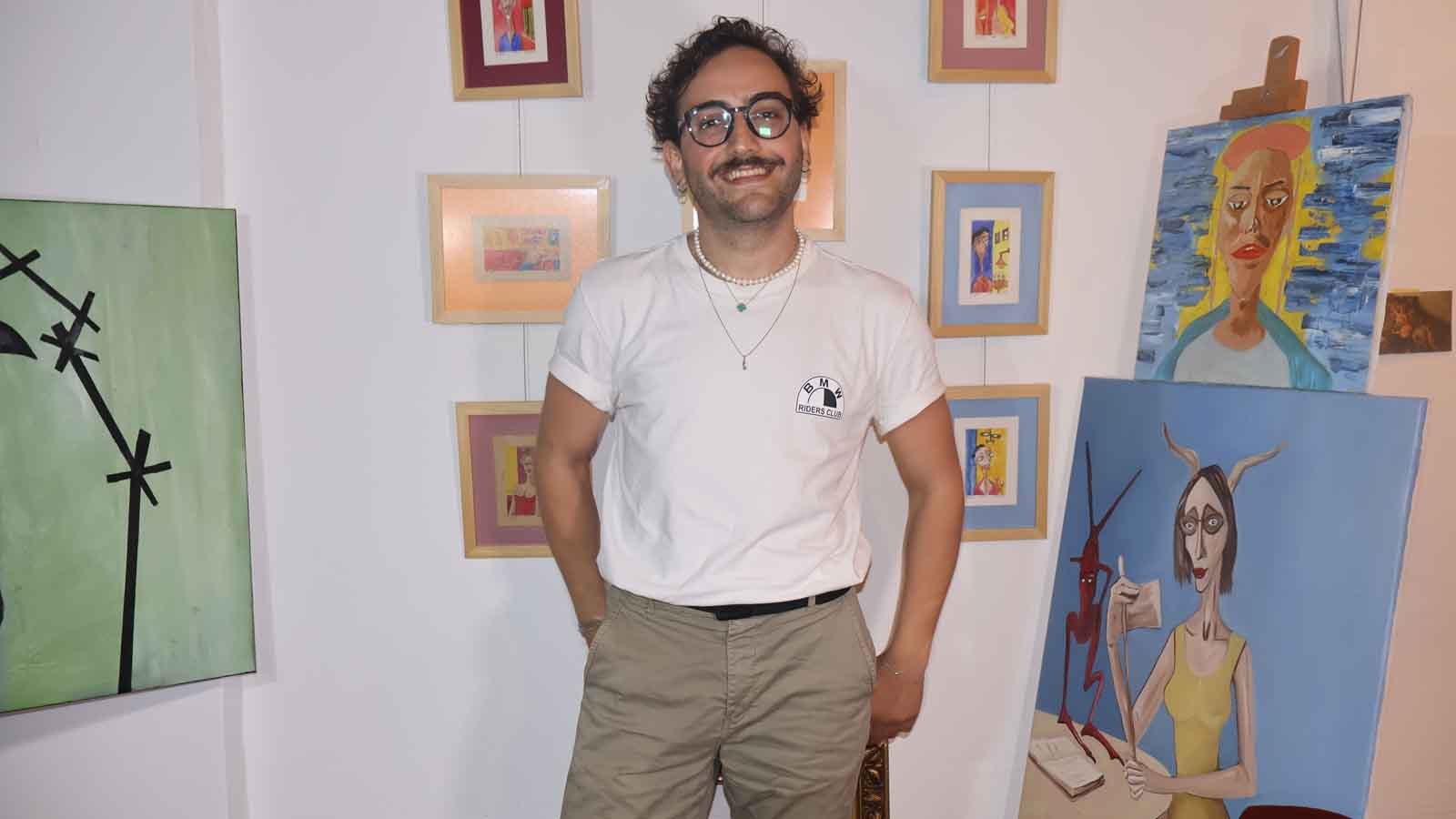
The program also touched on the artist’s daily creative habits. “I even sketch on the metrobus. Crowds inspire me. I love observing people,” he said, highlighting that his creative process is not confined to the studio but intertwined with life itself.
In the program, which progressed with Zehra Aksoy’s simple yet profound questions, Kurt’s works and life practice together offered an inspiring unity to the audience. Amidst the canvases, sketchbooks, and glass figures in his studio, this colorful conversation reminded viewers once again that art is not only a form of expression but also a way of existence.
“Rengârenk” will continue to bring the diverse tones of art and the unique stories of artists to its audience in each episode.