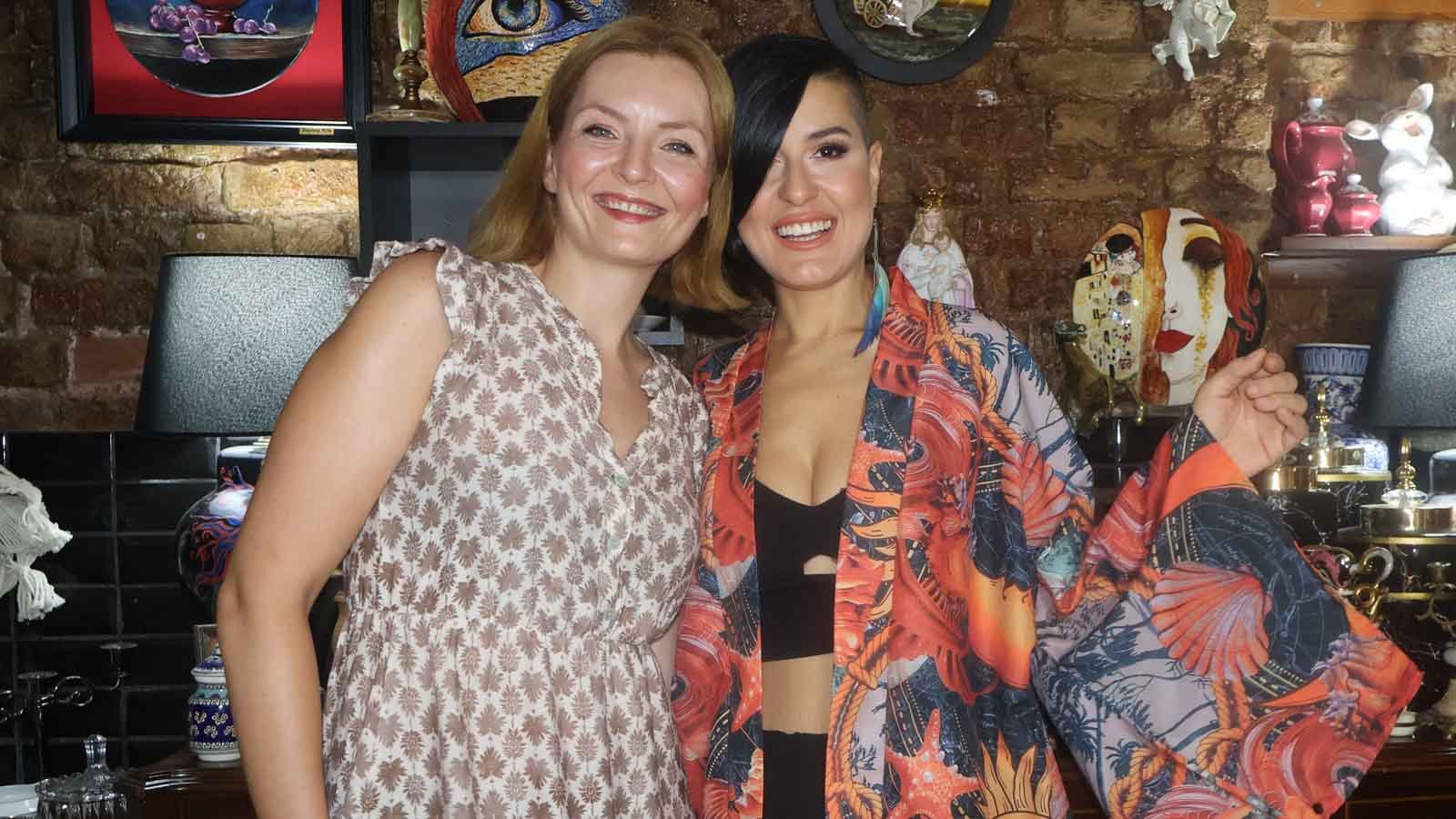
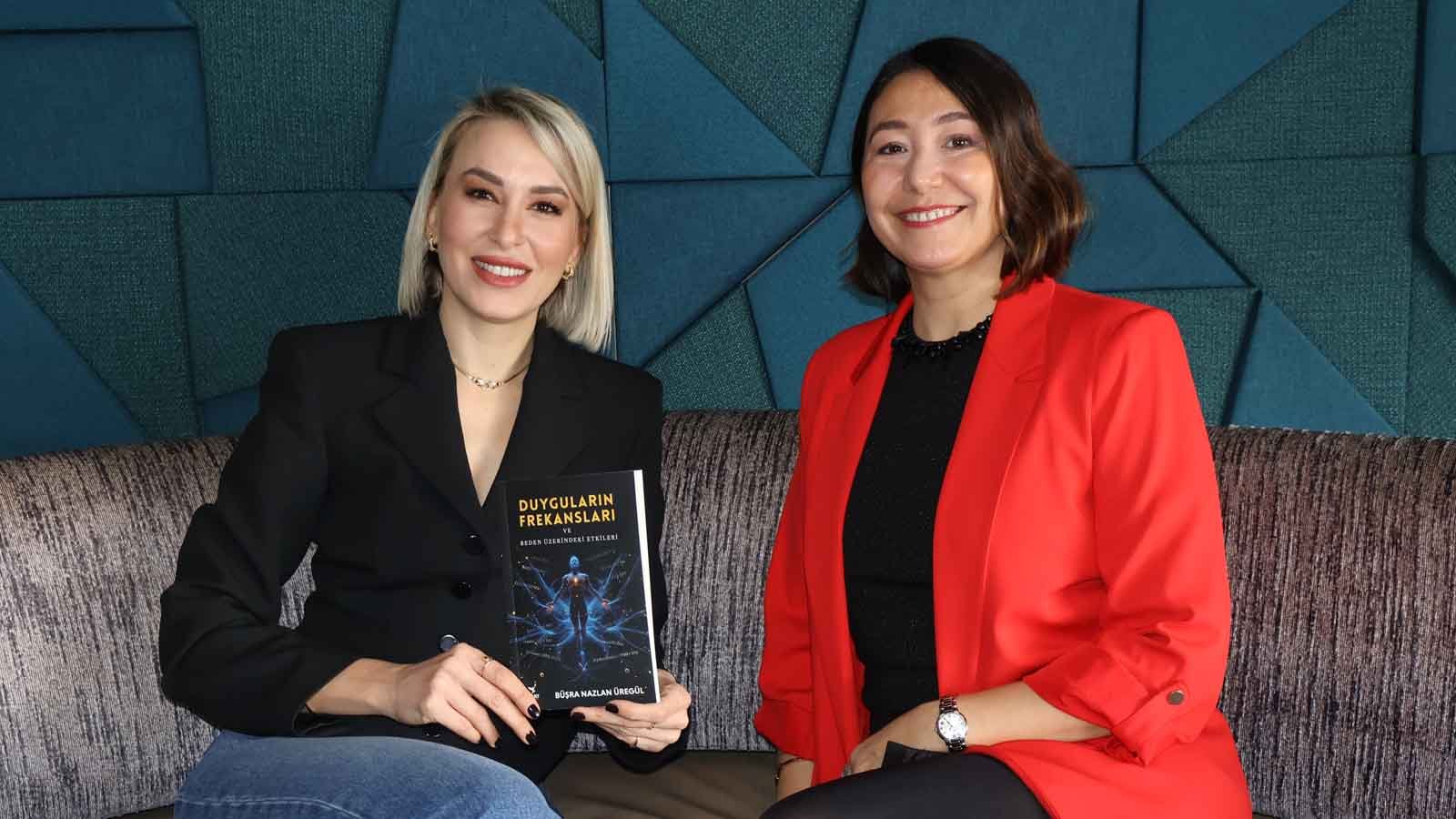
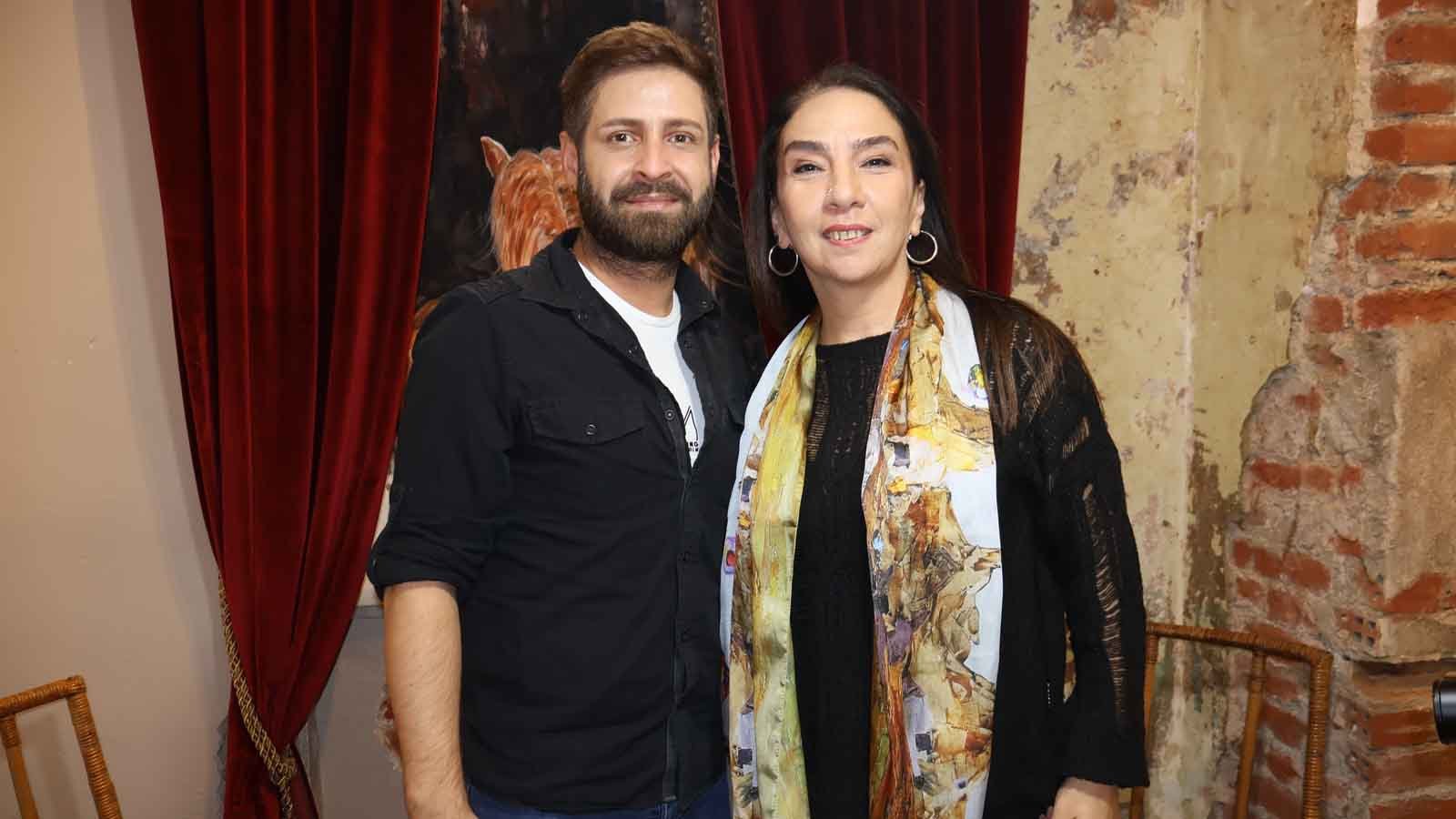
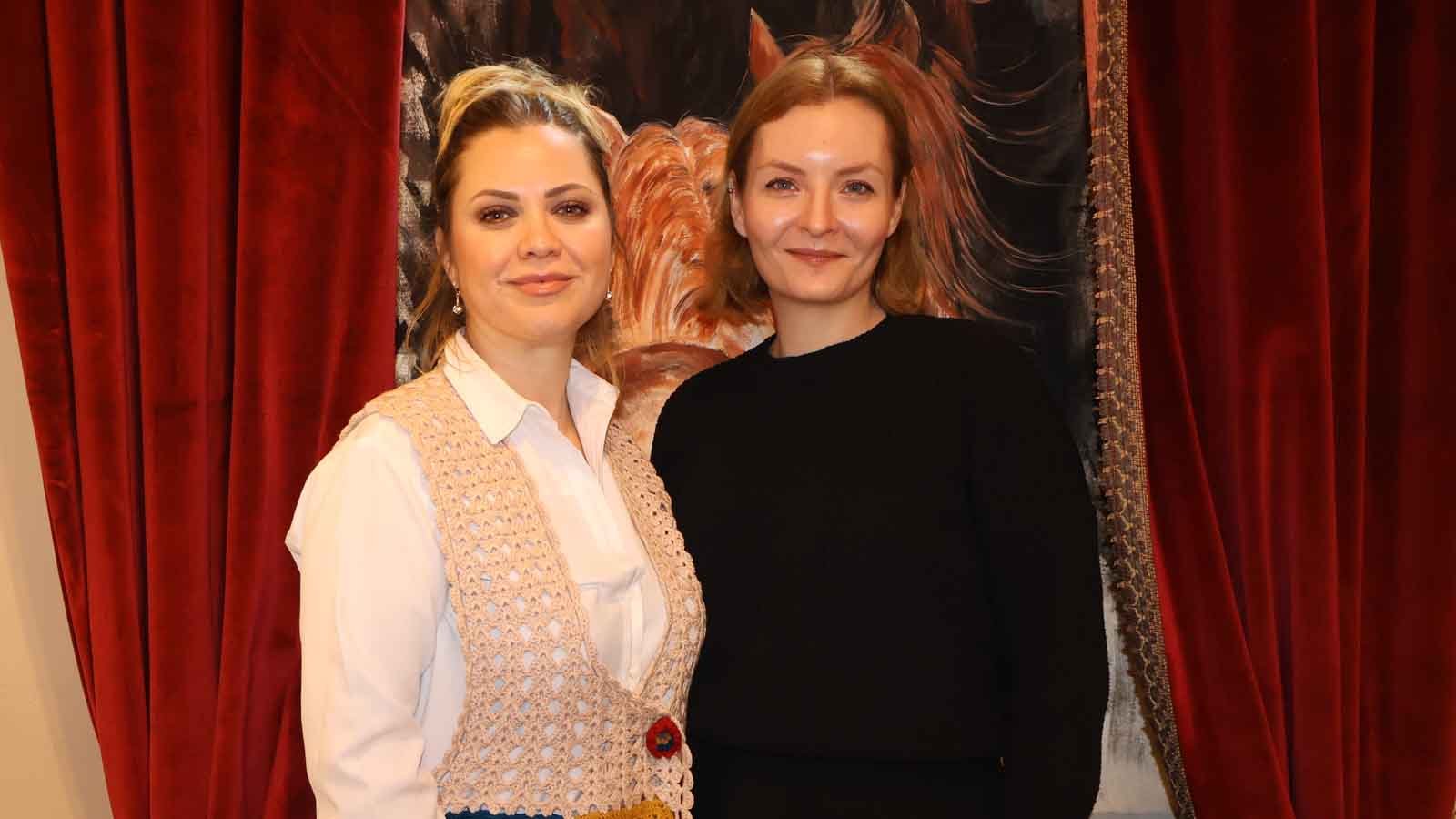
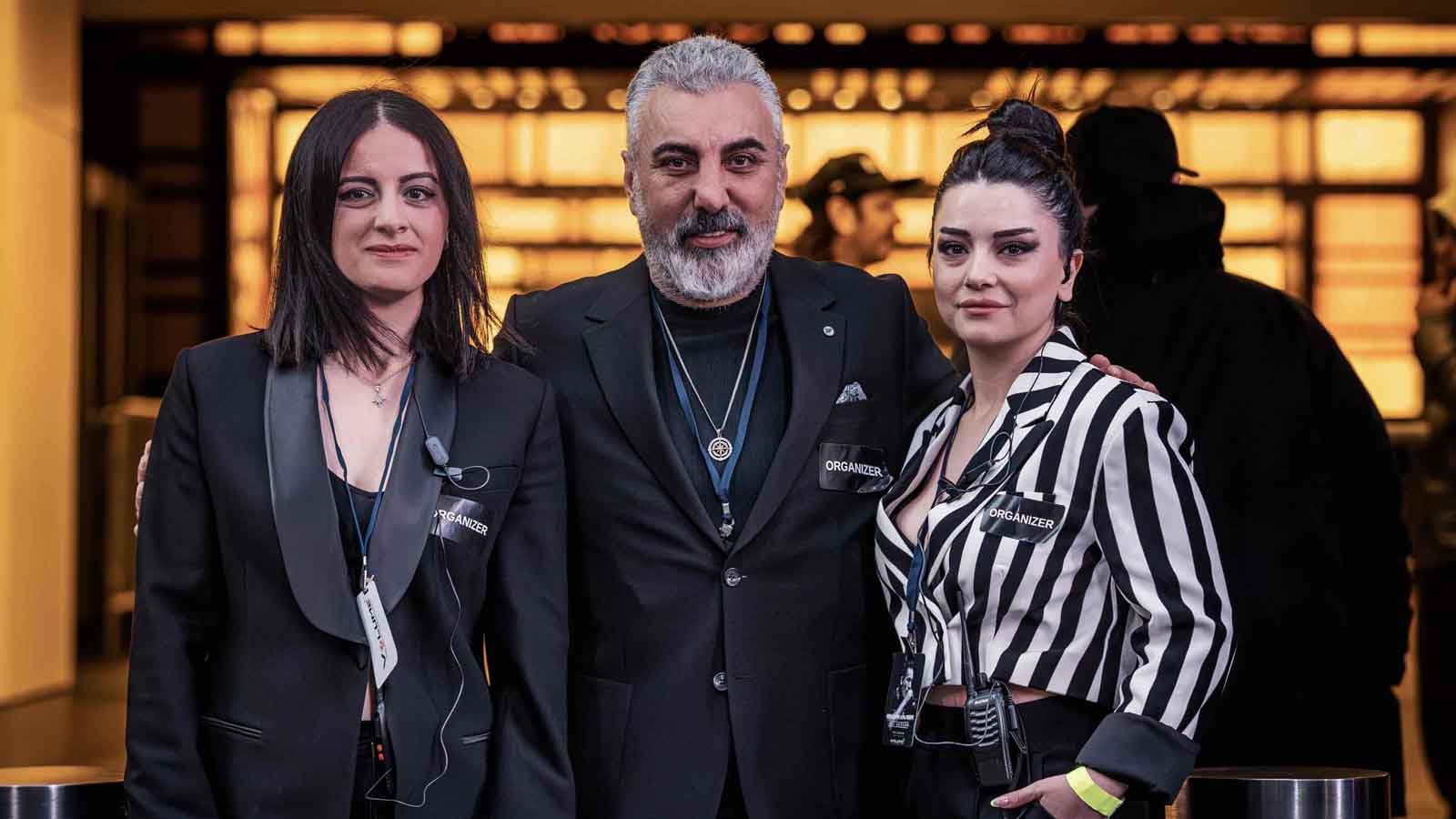
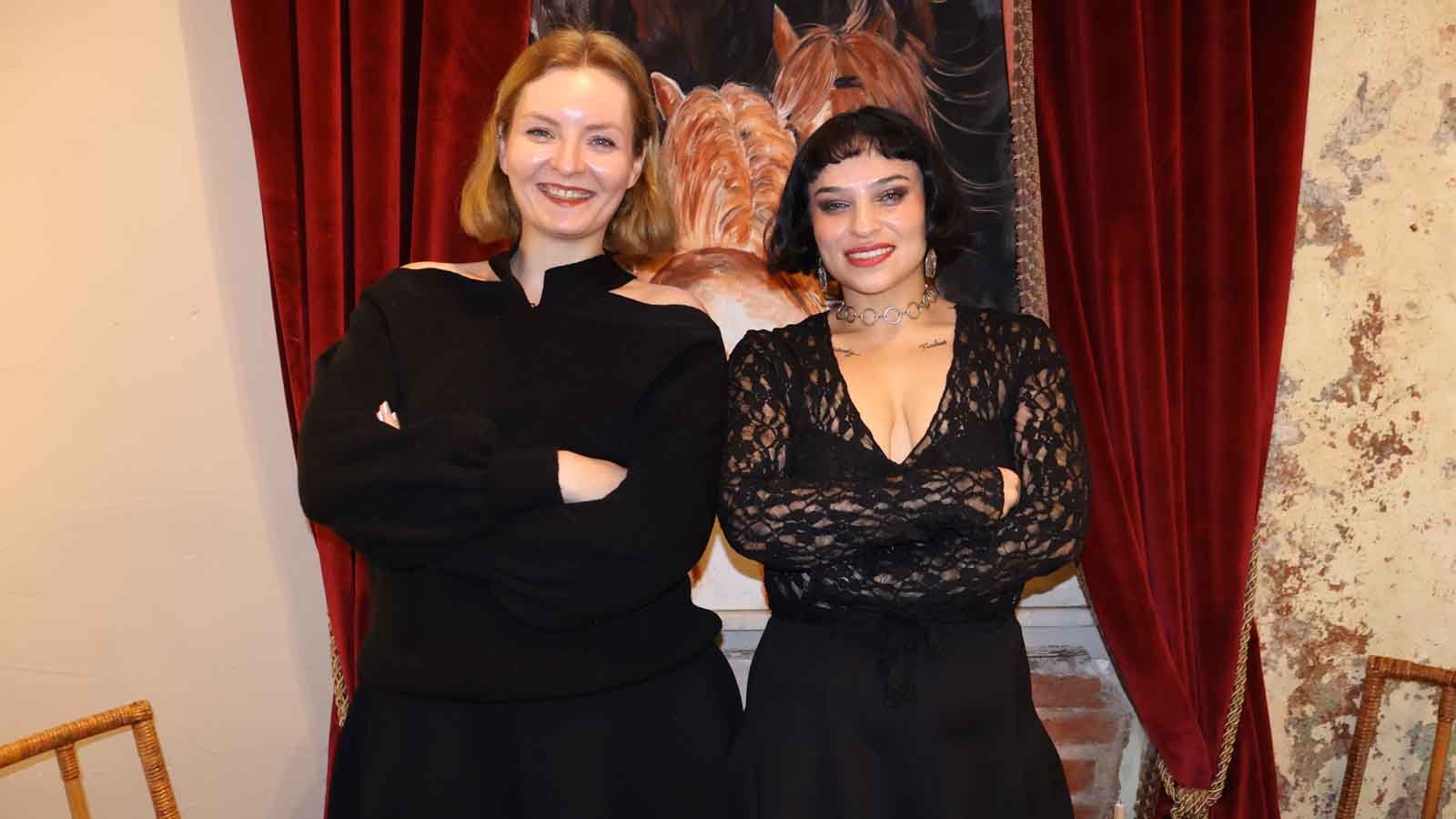
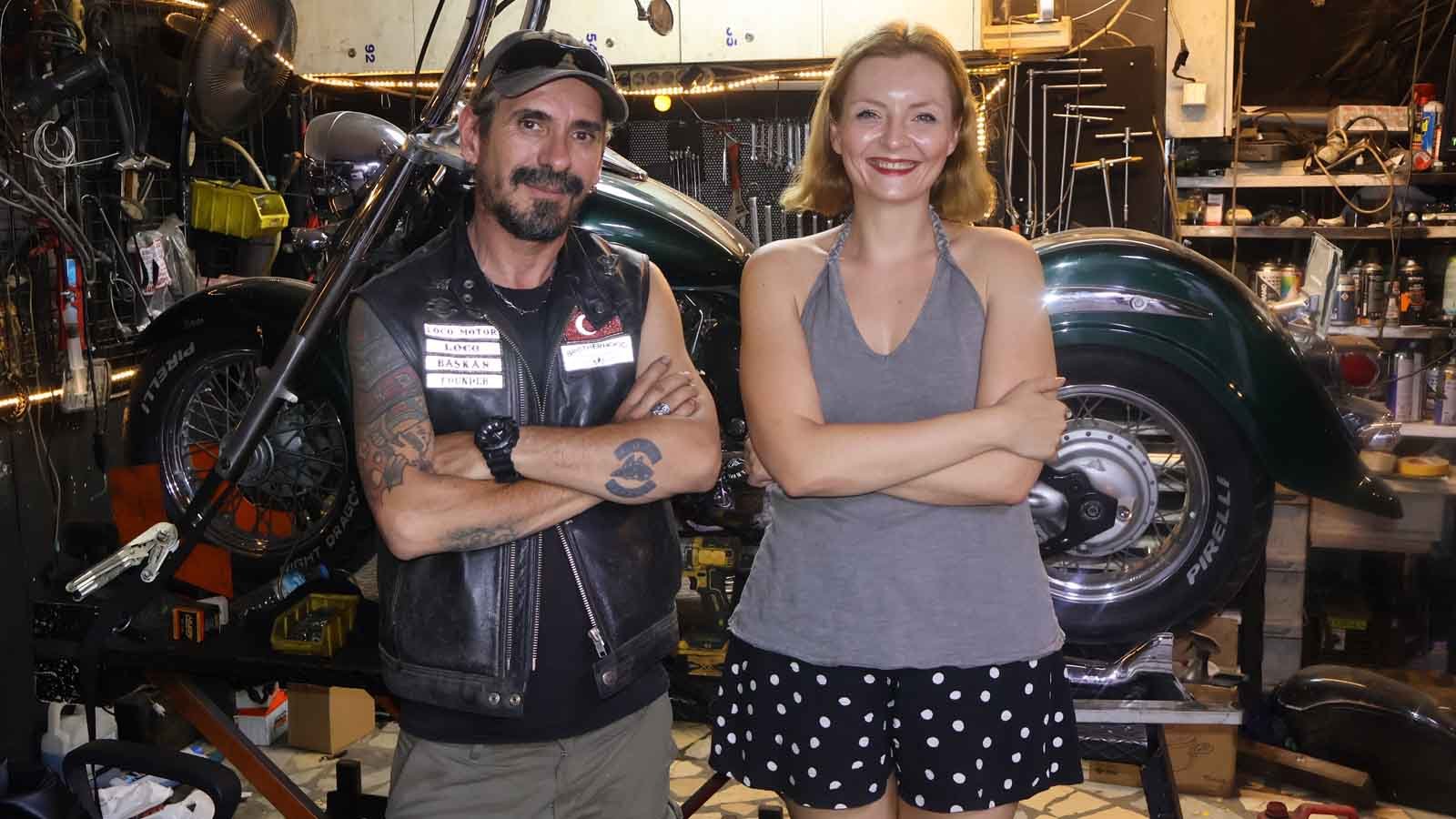
The program “Eylül Aşkın İle” (With Eylül Aşkın), hosted by Eylül Aşkın, held a mirror to the intersection of art and the labor struggle within the industry in its 94th episode. The guest for the interview, which took place in the warm atmosphere of Nostalji Antik that reflects the historic fabric of Cihangir, was “Makeup Guru” Aybüke, known for her profound approach to the art of makeup and for founding the platform “Sette Şikayet Var” (There’s a Complaint on Set) to be the voice of set workers.
Aybüke’s relationship with art is based on a much deeper and more technical foundation than many might assume. Stating that she started her career as a “colorist” after graduating as a dyeing finisher, the artist described her job at that time with the words, “I was the person who wrote the mathematical formula for how much of which dye substance should be used in coloring fabrics, fibers, and yarns.” However, her innate creativity and passion for working closely with people led her from this technical world to the art of makeup, where she sees the human face as a canvas. She summarized this transition by saying, “If you turn your hobby into your profession, you never get bored, you advance a lot, and they even pay you extra.” The birth of the nickname “Makeup Guru” happened quite organically; a celebrity she worked with said, “You are a makeup guru, no need to think,” and she lovingly accepted this title.
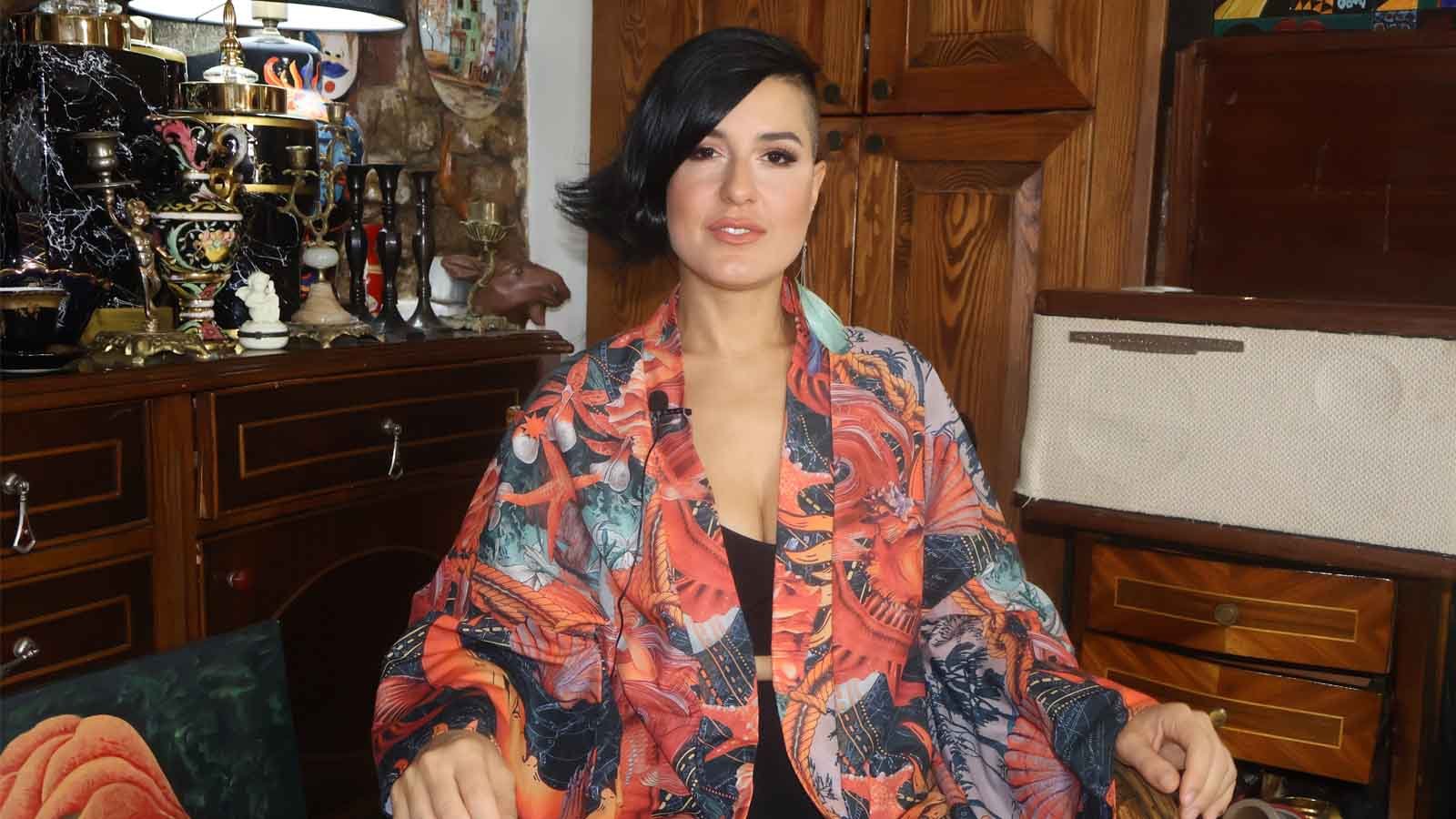
For Aybüke, makeup is not just a technical application bound by anatomical rules and aesthetic principles like the “golden ratio.” She sees makeup as a reflection of a person’s inner world. Aybüke, who says, “If there is one thing I have always felt inside and noticed, and now do consciously, it is the emotion felt by people’s presence,” places the integrity of soul, body, and mind at the center of her philosophy. Even when there is no specific concept or story, she emphasizes that she tries to understand the energy and spirit of the person she will makeup, creating a personalized work of art. Instead of blindly following trends, she prefers to add her own interpretation to them. She cites her “Dead Frida Kahlo” makeup, inspired by the Coco animation, as the best example of this; in this work, she took a popular concept and blended it with her own original and profound vision. She expresses the place of colors in her life by saying, “When I look at life, sometimes I only see energy fields and colors,” and adds that she is also interested in the spiritual dimensions of colors, such as chakras and healing.
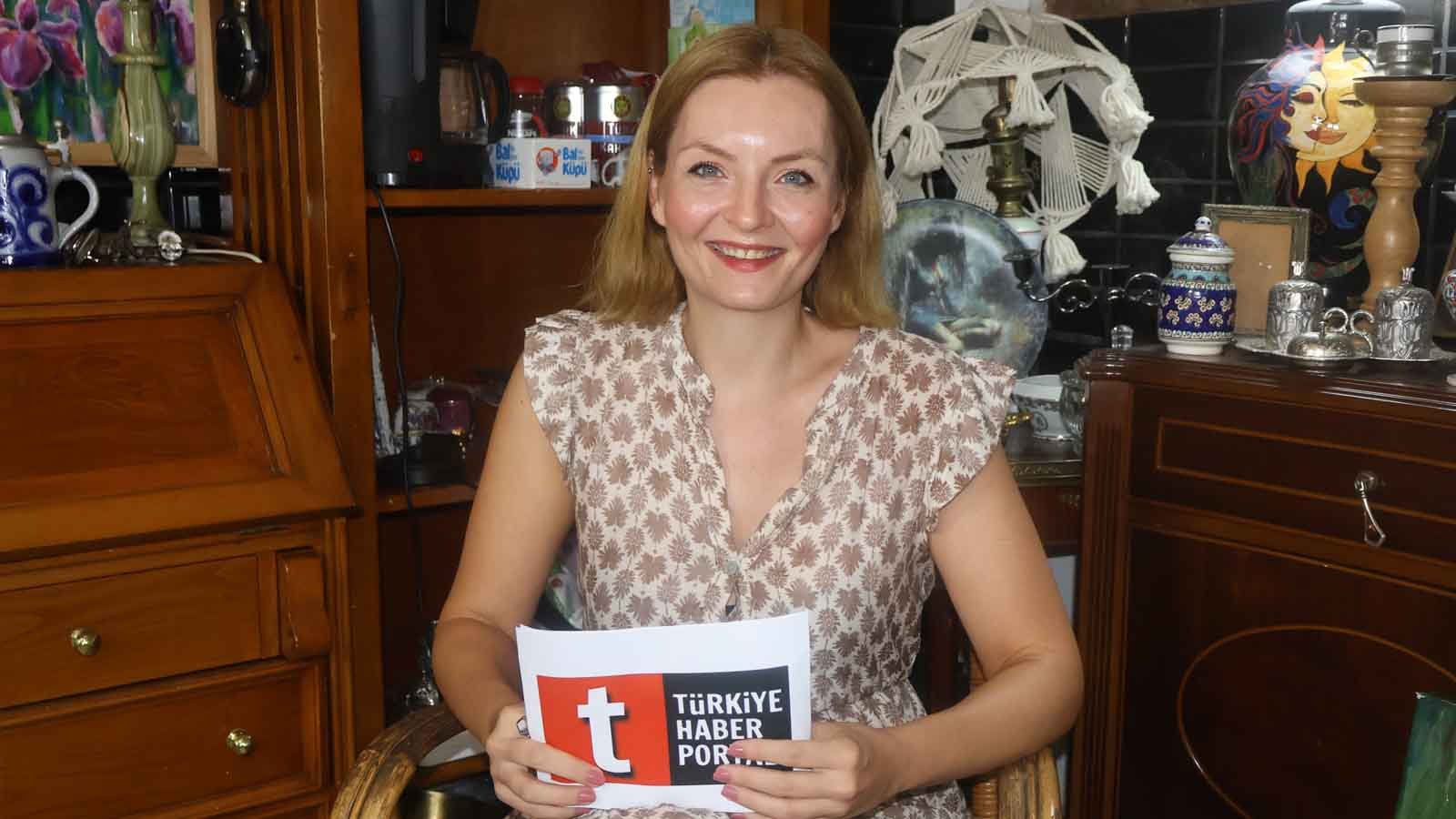
The most crucial point of the interview was Aybüke’s struggle against the problems she experienced on sets, which are the common plight of thousands of workers in the industry. She stated that a chaotic experience she had on the set of a documentary called “Tarihi Yargılamalar” (Historical Judgments) was the final straw. She described what happened on that set with the words, “Normally producers, production managers solve problems… (on that set) they created problems. The artists solved them, and I experienced both heaven and hell, as much refreshment as that chaos.” This experience made her realize that the biggest problem in the industry is lack of communication and transparency. She founded the “Sette Şikayet Var” platform with the idea of creating a common space where people could say, “Look, I went there and this happened to me. Just so you know, folks.” Stating that her aim is not to undermine the industry but rather to enable workers to take precautions, she said, “Now, do you want your money upfront, will you make a contract, will you carry food with you? It’s up to you. But at least let’s share transparently, let us know.” By saying, “The rights holder is the sultan. The rights holder has nothing to be ashamed of or embarrassed about,” she inspired courage in all workers and emphasized that the platform aims to be a preventive mechanism in the face of the slowness of the legal system.
At the end of the conversation, Aybüke stated that people can reach her through her social media accounts “Makeup Guru Aybüke” and that industry workers can reach the platform via the address “settesikayetvar.com”. The program left a deep impression on the viewers with both Aybüke’s passion for her art and her commitment to the pursuit of justice in the industry.