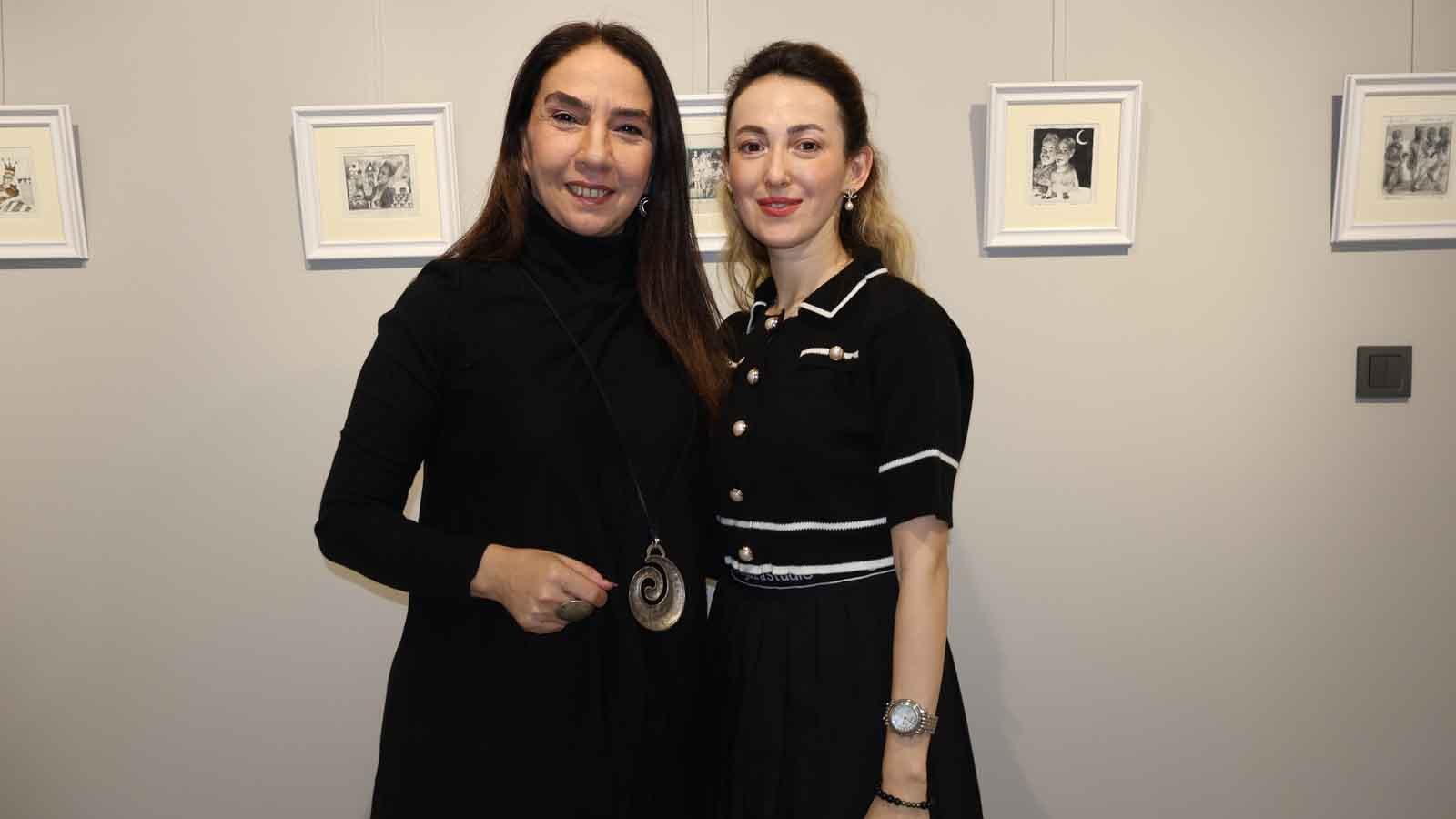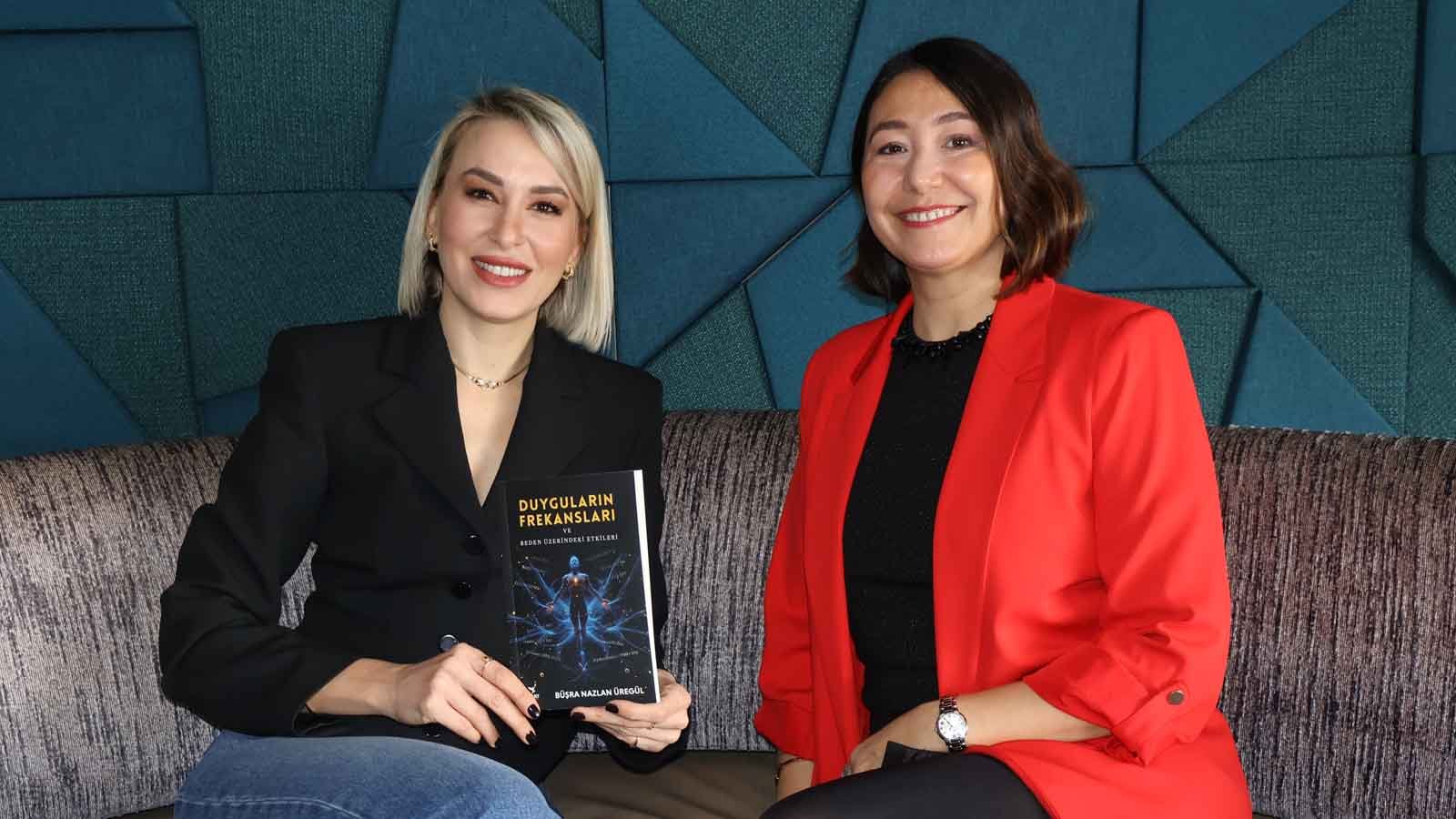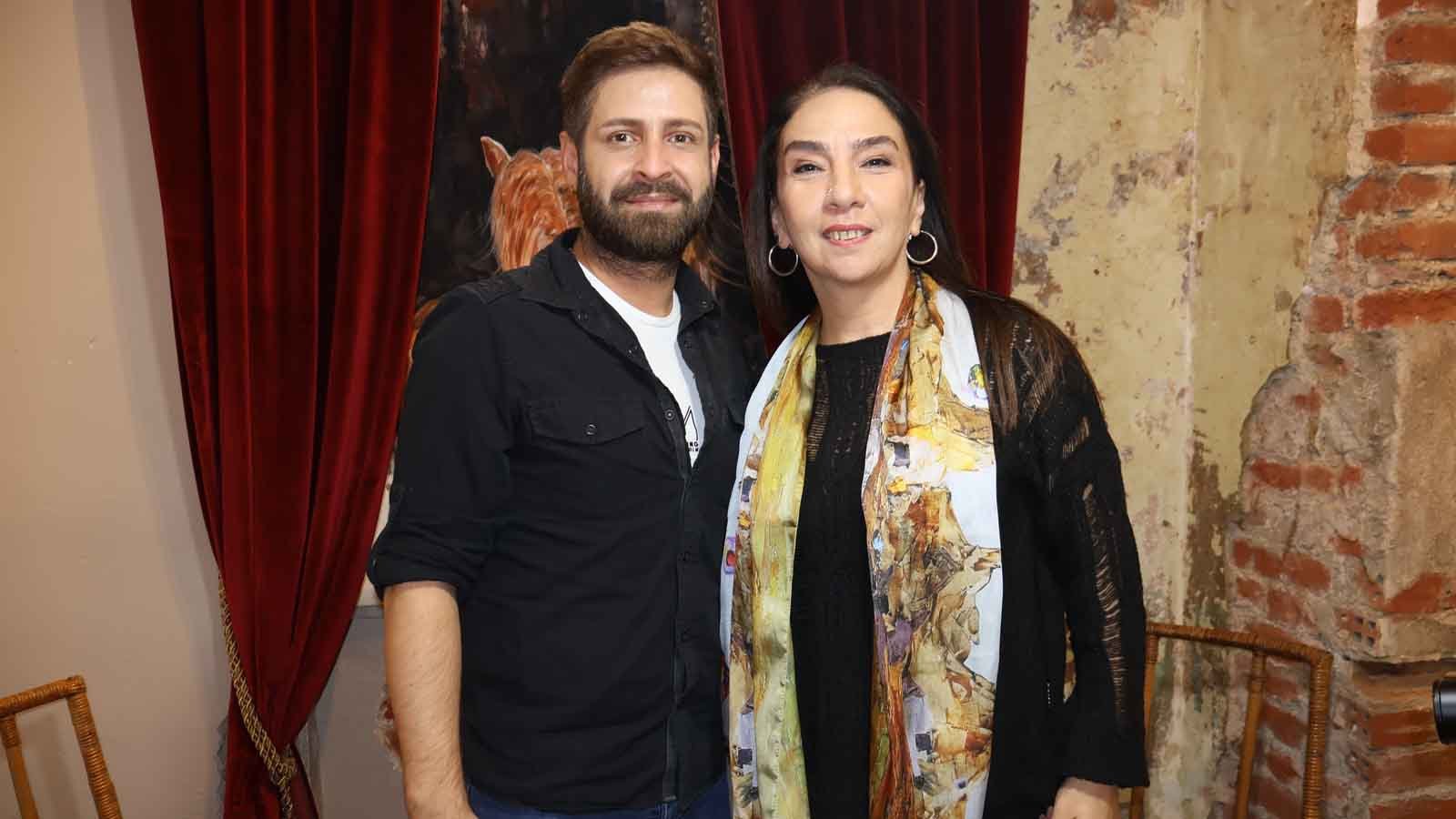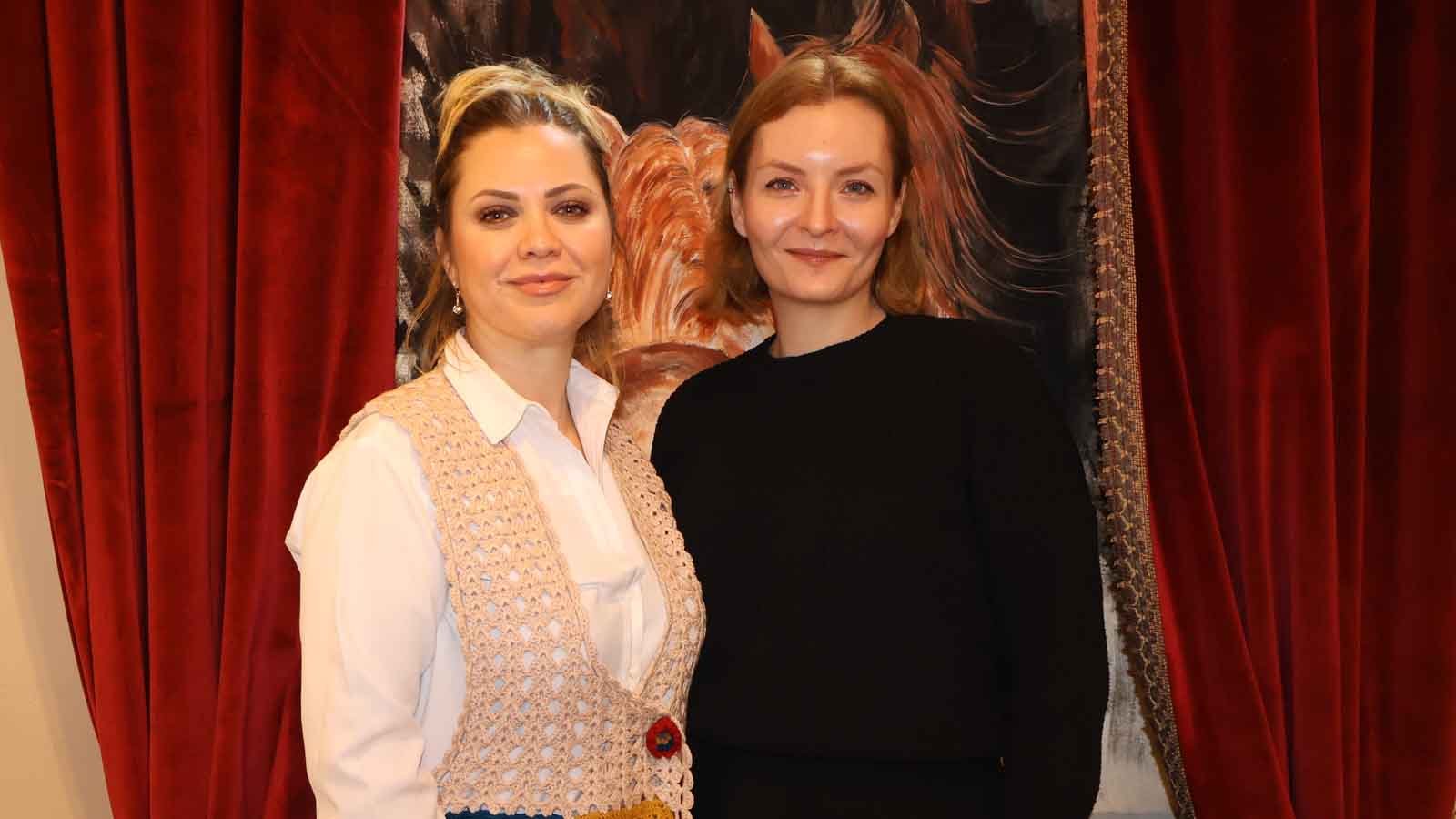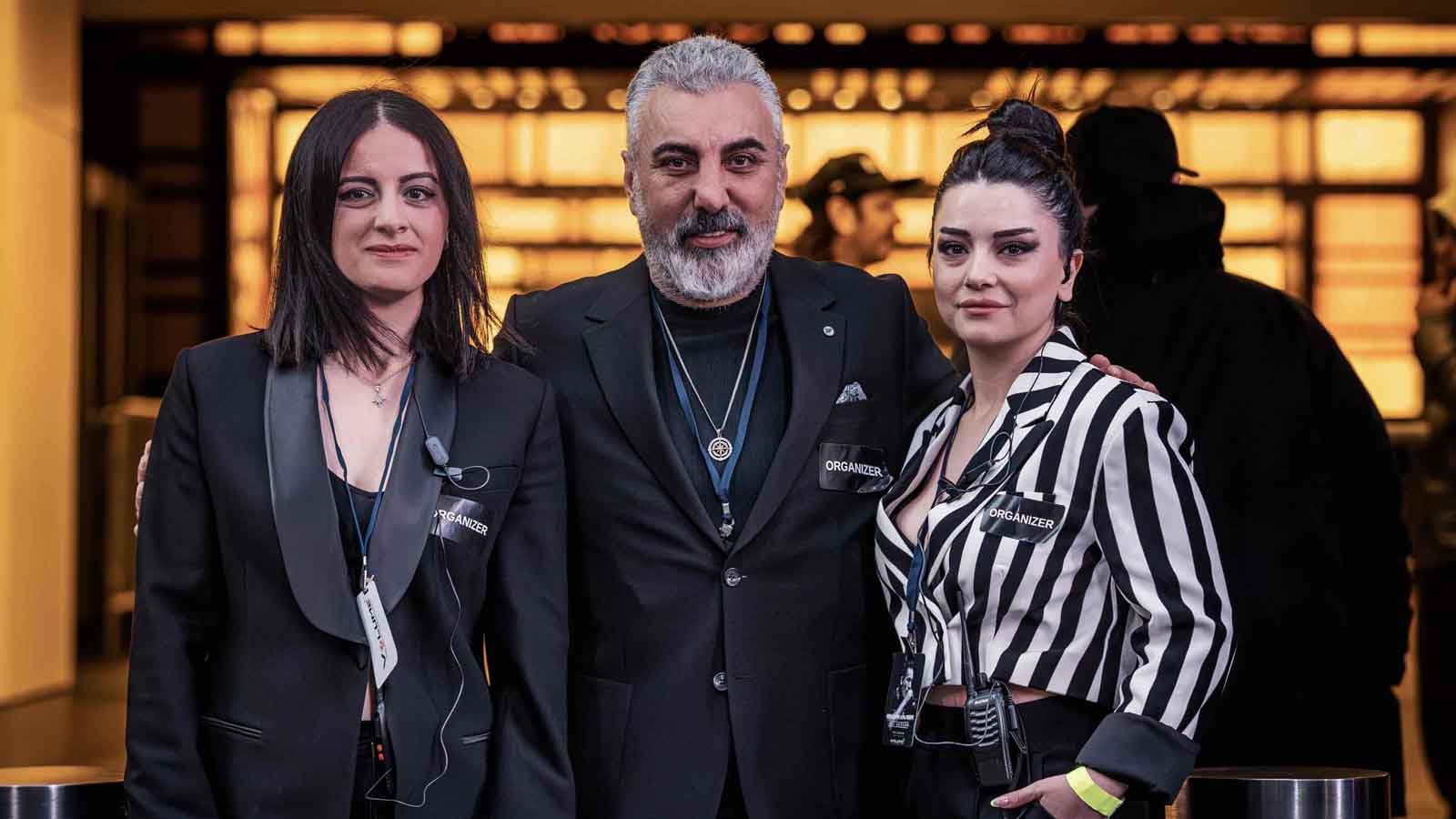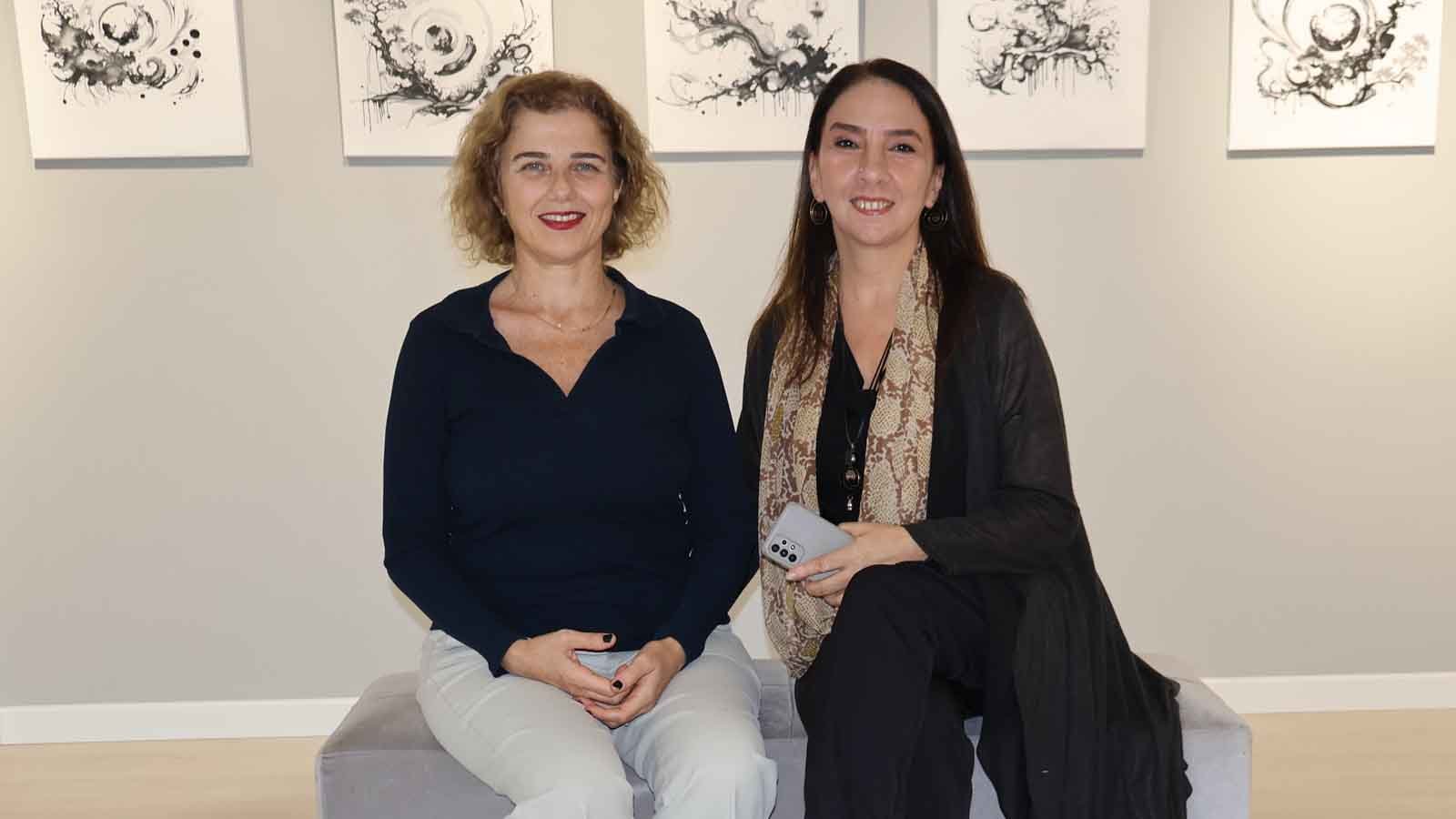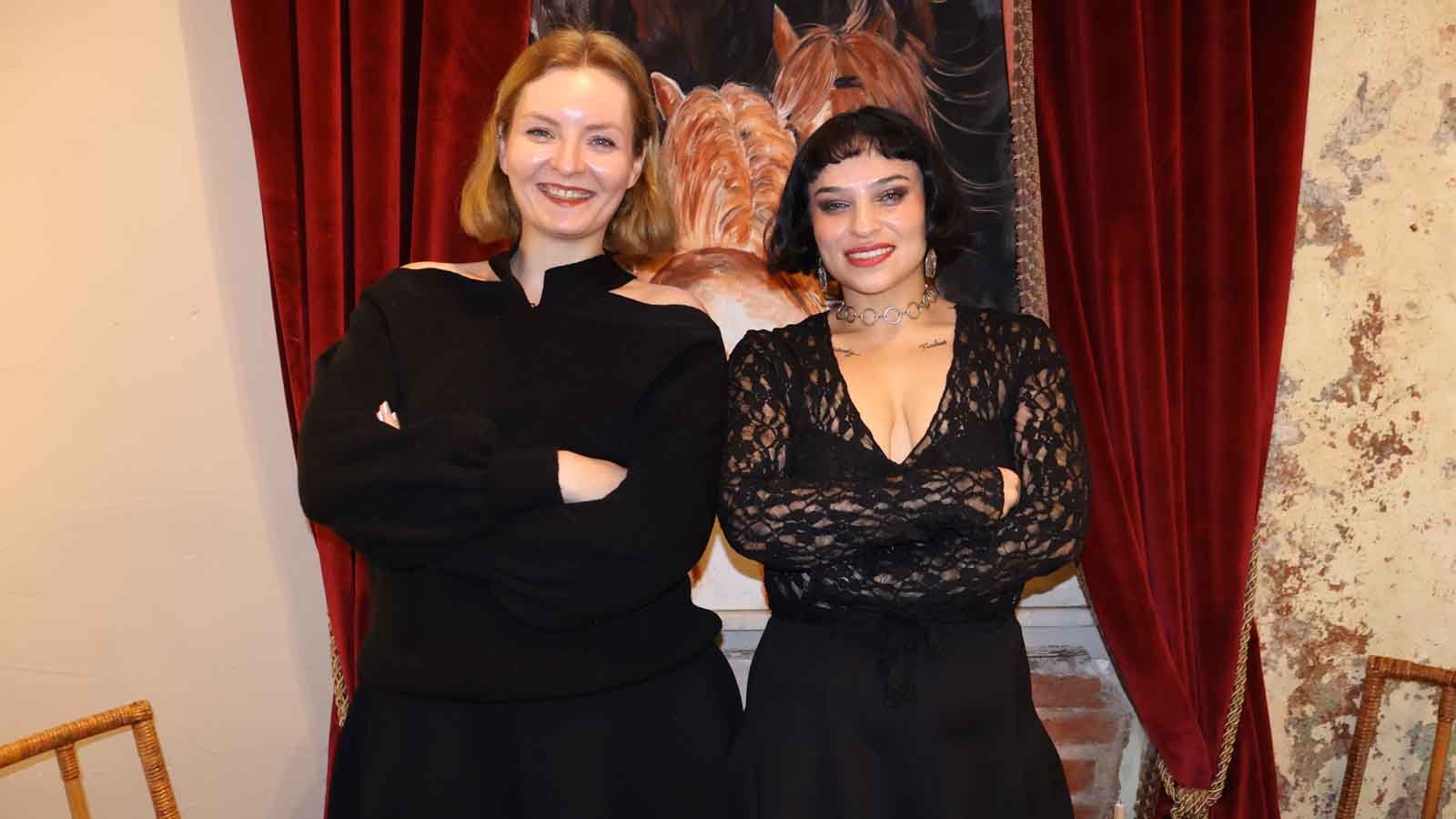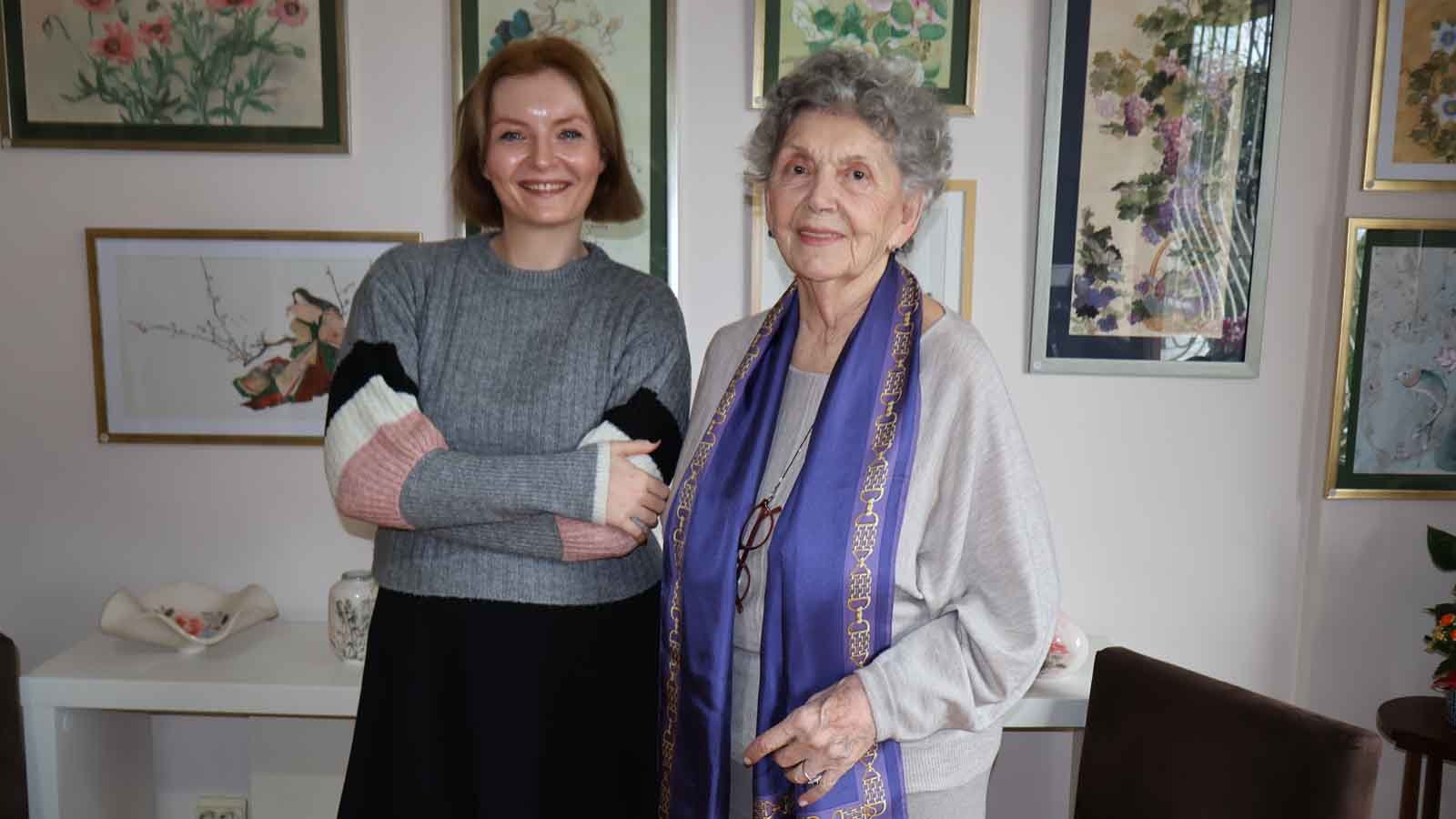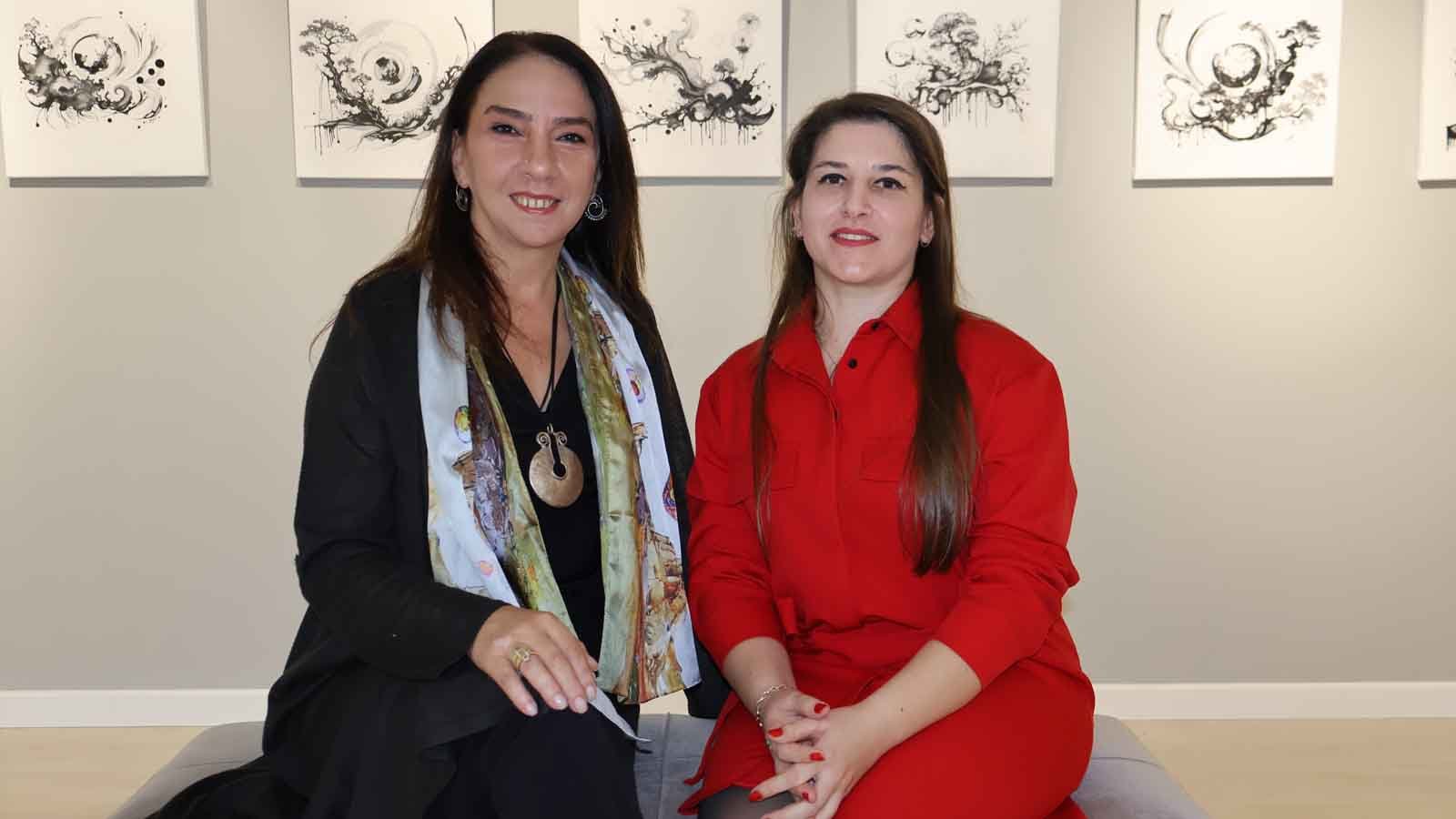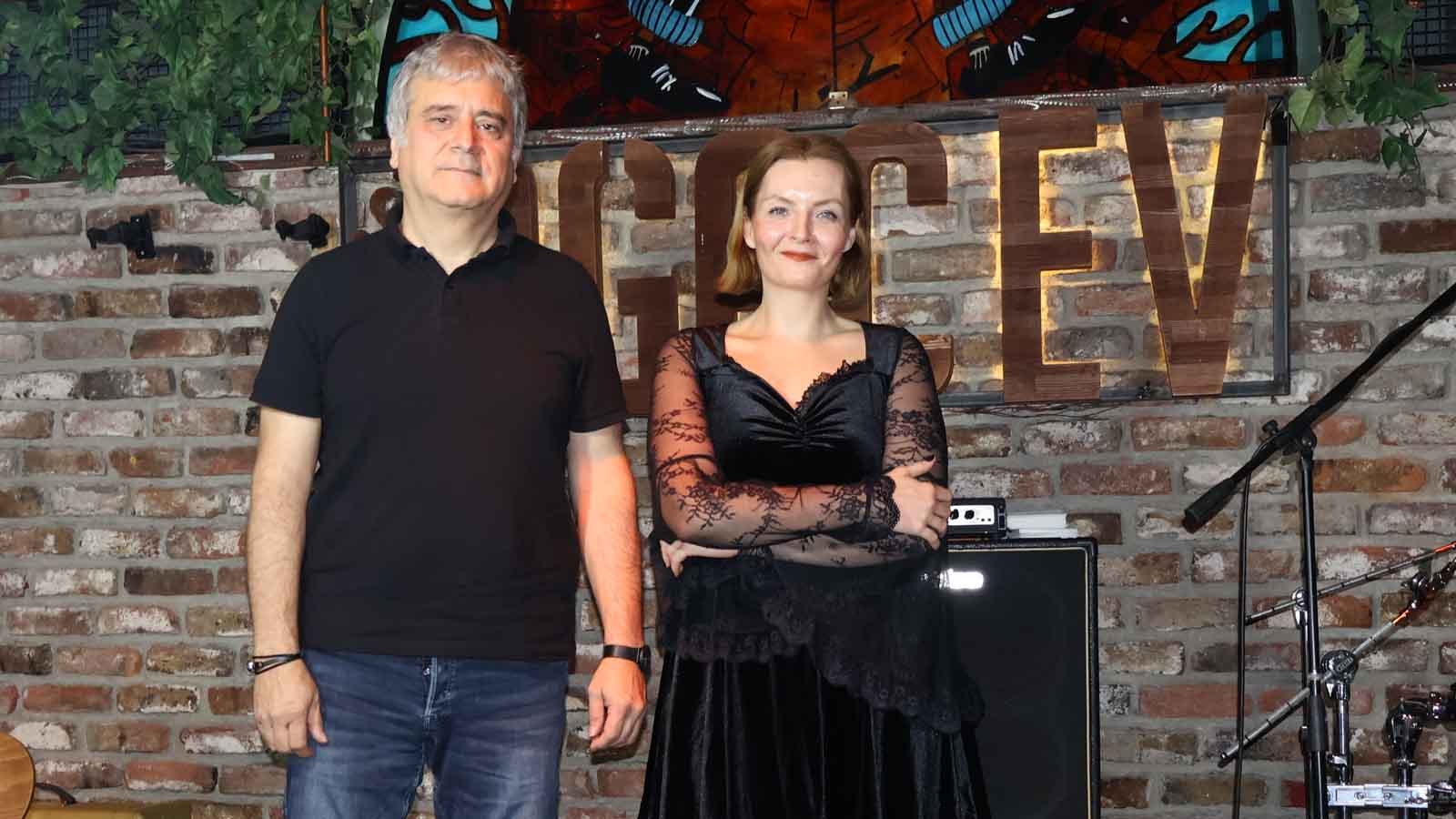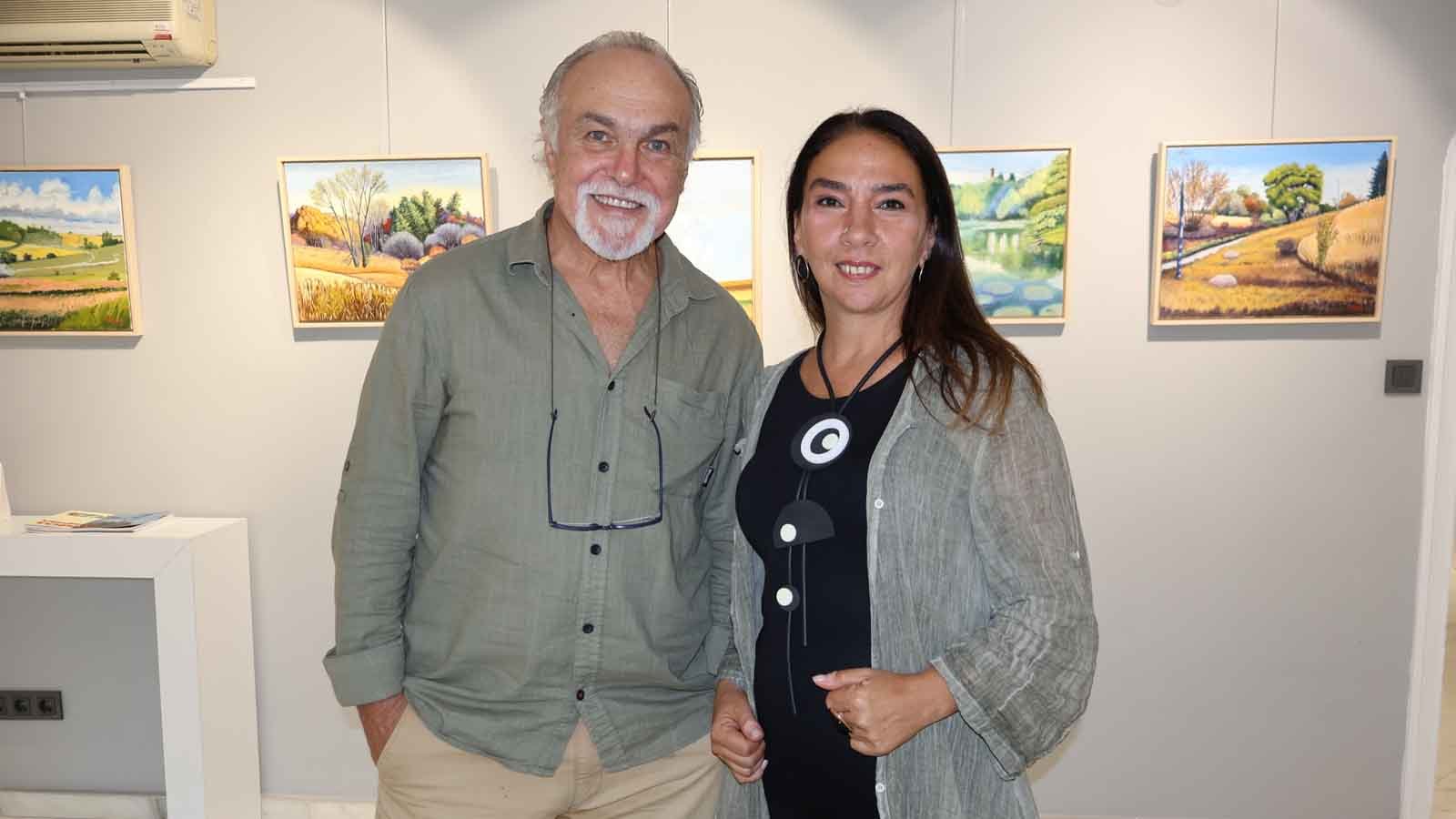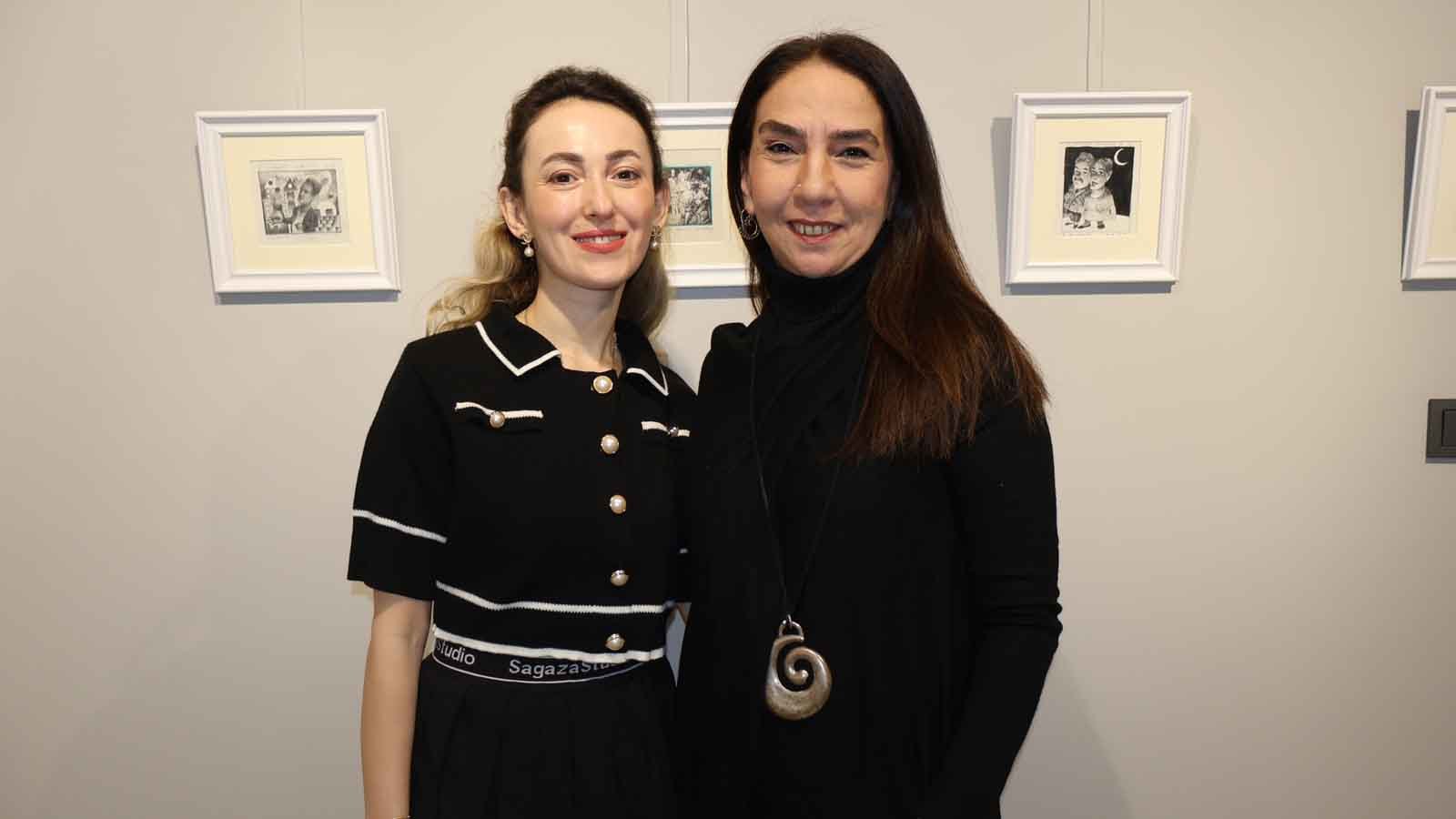
Director Tülay Türken was the guest of the “Evolution of Art” program this week. Günsu Saraçoğlu, the program’s producer and host, shared detailed information about Tülay Türken’s life with the viewers.
In the episode broadcast on the YouTube channel of Türkiye News Portal on February 27, 2026, at 18:30, viewers will have the opportunity to discover Tülay Türken’s life journey.
Tülay Türken began the program by recounting her life story, which started in Kütahya, and expressed her love for Istanbul, where she came for university education. She stated that after completing her undergraduate degrees in Persian Language and Literature and Turkish Language and Literature at Istanbul University, she continued her language education at Shiraz University in Iran. Emphasizing that her interest in Persian goes beyond academic curiosity, Türken expressed her command and love for both languages with the words, “I’ve even started dreaming in Persian now. Reading Rumi in his native language is a completely different pleasure.”
A MASTER’S THESIS IN THE FOOTSTEPS OF NAZIM HIKMET
In the later parts of the conversation, Türken, highlighting her admiration for Iranian poet Ahmad Shamlou, who was the subject of her master’s thesis, drew attention to the strong bond between the two poets by recalling Shamlou’s words, “It was Nazim Hikmet who completely changed my poetic orbit.” She added that her thesis topic took 7 years due to its intensity, but she never regretted this work, which eventually turned into a book.
A BILINGUAL BREATH IN CINEMA: BETWEEN IRAN AND TURKIYE
It was learned that the most important factor shaping Türken’s cinema career was her passion for Iranian cinema. Stating that she was particularly influenced by the films of master director Abbas Kiarostami, Türken said, “I thought that if I were to integrate with cinema, I should make Persian-language films and bring a new breath to it.” The director, noting that she has a rare area of expertise in the world, conveyed that she is working on her third short film and that she carries out all her projects with Iranian partners, in the format of Iranian cinema but synchronized with Turkish culture.
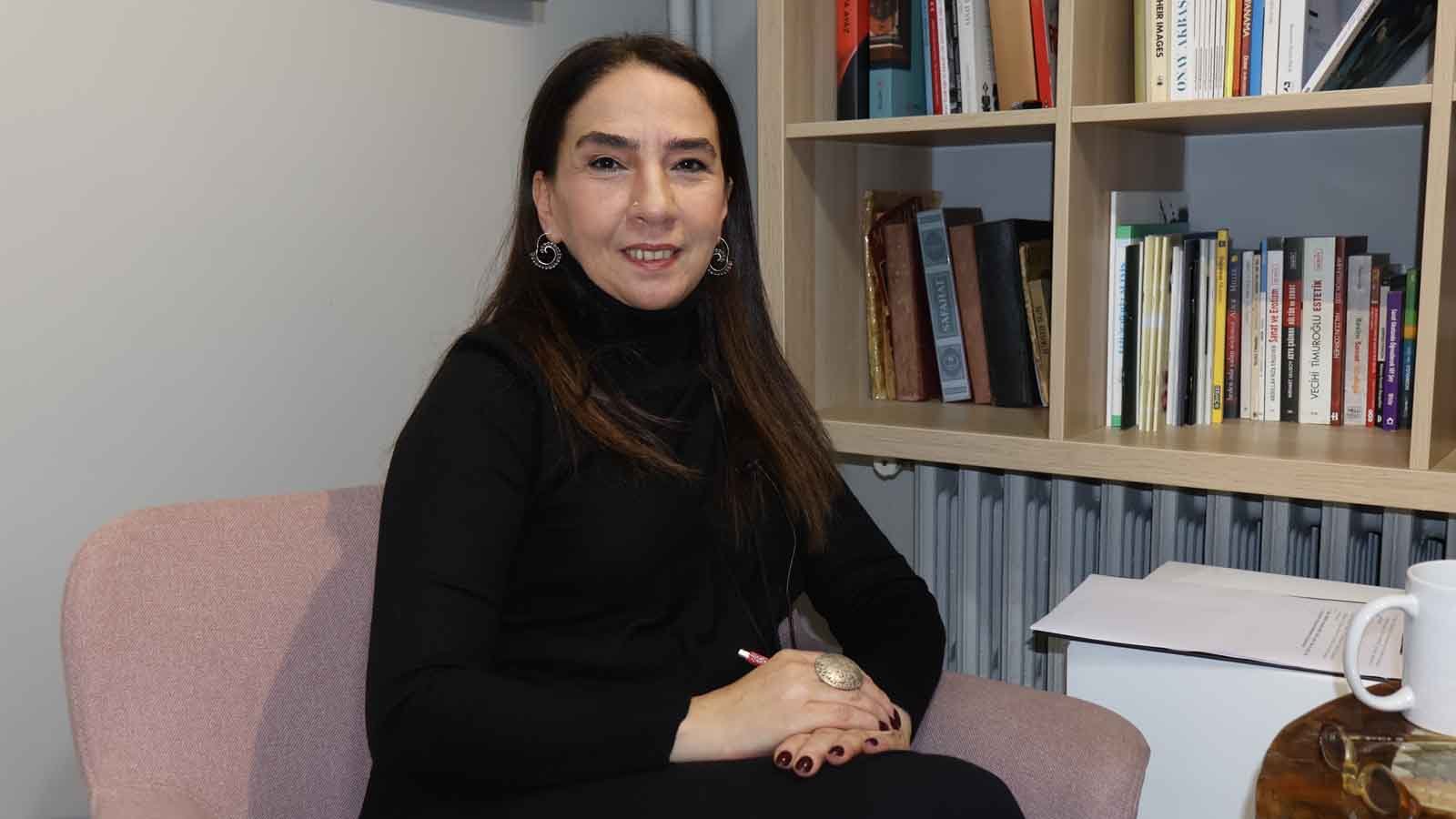
“BEING A FEMALE FILMMAKER IS VERY DIFFICULT”
The current situation in Iran was also touched upon during the program. Speaking sincerely about the difficulties faced both in Turkey and Iran as a female filmmaker, Tülay Türken used the expressions, “Unfortunately, it is very difficult to be a female filmmaker in our country. I say this from a realist perspective, not a demagogic one.” Stating that her female colleagues in Iran face new censorships and bans every day, Türken emphasized the importance of the movement that started with Mahsa Amini, saying, “Mahsa truly made a huge revolution. Iranian women are walking a very courageous path right now.”
INDEPENDENT CINEMA AND THE GUERRILLA TACTIC
Türken said that her multiple roles in cinema, such as producer, screenwriter, and actress, do not challenge her but rather complete her, and drew attention to the financial difficulties of independent cinema. Emphasizing that she is a filmmaker who likes to be self-sufficient, Türken stated, “I don’t like outside intervention. That’s why I work with my own team, using guerrilla methods. This makes me freer and adds naturalness to the film.”
FESTIVALS, CENSORSHIP, AND “HALIKYA”
Also touching upon censorship mechanisms in Turkey, Tülay Türken compared them to the strict rules in Iran, noting that there is relative freedom in Turkey but pointing out the existence of “invisible curtains.” Providing information about the “Neighbor Cinema Iranian Film Festival,” which they organize as a solution to the screening problem of independent films, Türken stated that they are organizing the festival for the second time and aim to take it to different cities, especially Bursa, in the coming period, and even expand it to include the cinemas of other neighboring countries like Greece and Bulgaria.
Speaking with great affection about her first film “Halikya,” Türken said the film tells the synchronized story of two different women (Iranian actress Zahra and Madam Marta) and, as a reflection of her literary identity, brings together Ahmad Shamlou and Sait Faik on a metaphorical level.
FUTURE PROJECTS: FANTASTIC HORROR AND OTHERS
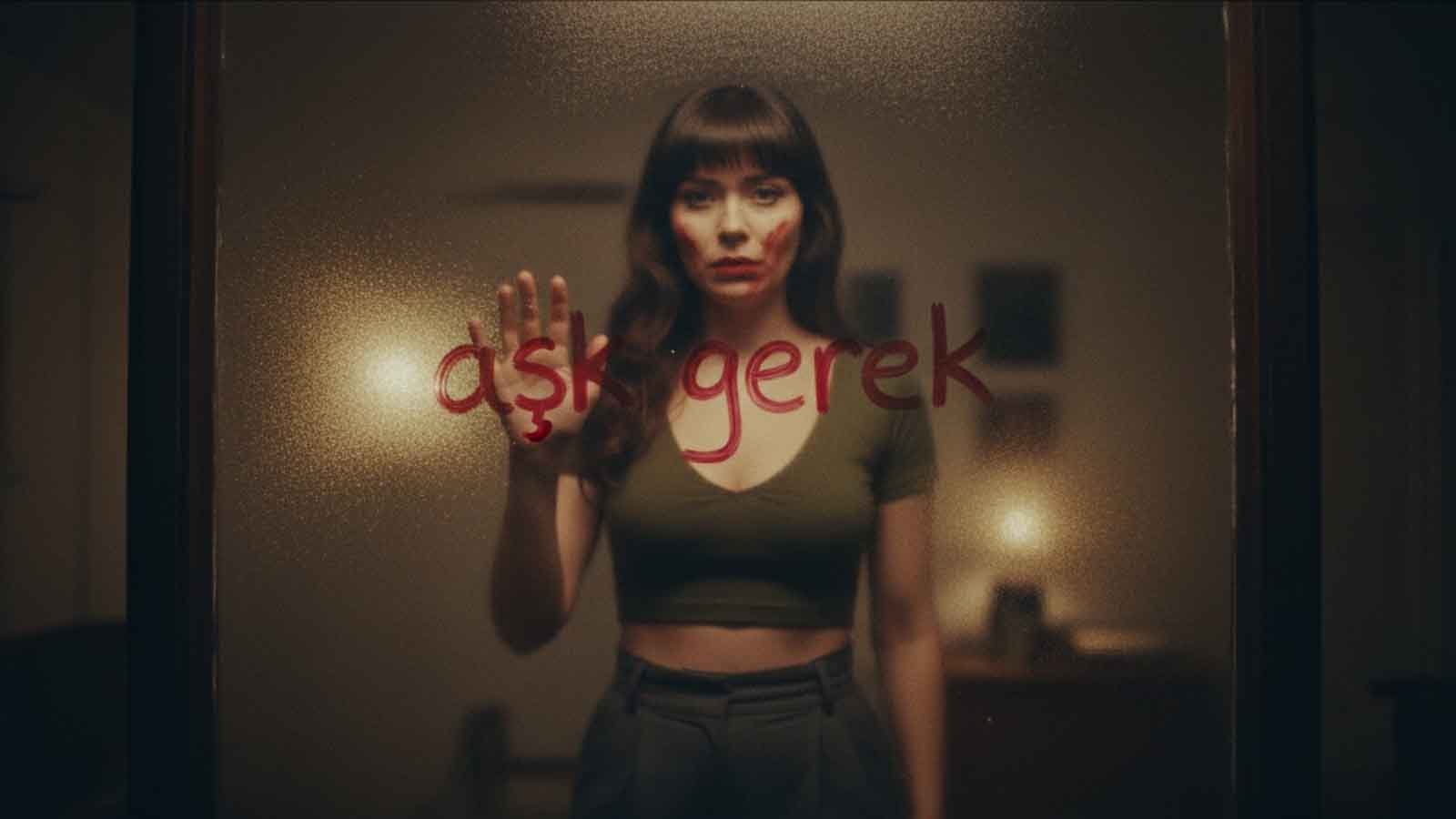
Finally, talking about her future projects, Tülay Türken announced that they are working on a fantastic horror film inspired by Leonardo Da Vinci’s painting “The Last Supper.” She also stated that she continues to write for the magazines Gastrofil, Psika Sinema, and Anka.
Addressing the viewers at the end of the program, Tülay Türken stated that short films in Turkey do not receive the value they deserve and are perceived as a “student work” or a “transition to feature-length,” conveying the message, “The short film has its own unique philosophy. I hope it finds the value it deserves in our country.”
This episode of “Evolution of Art,” hosted by the delightful Günsu Saraçoğlu, shed light on the rich world of an artist who builds bridges between two cultures.