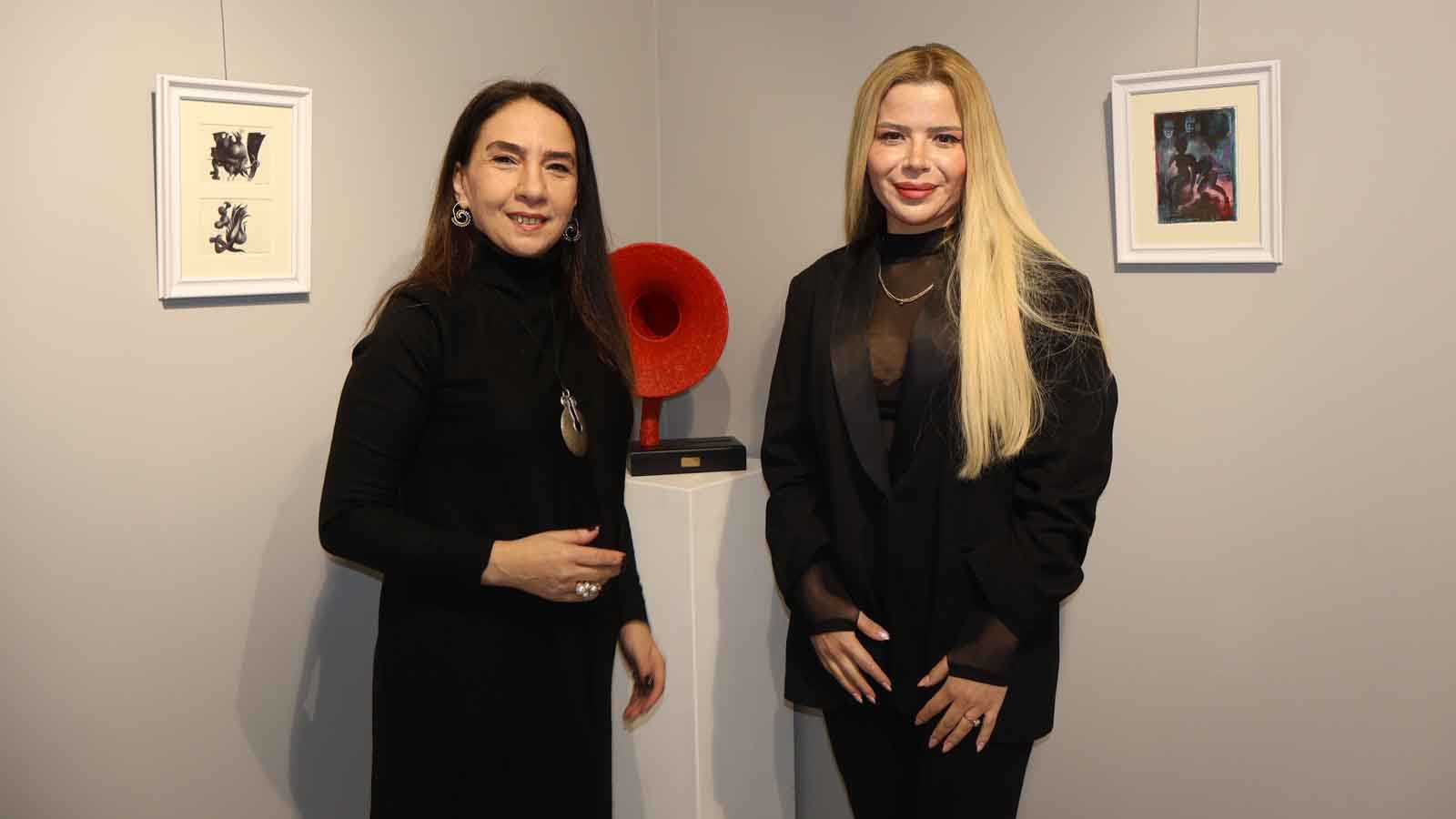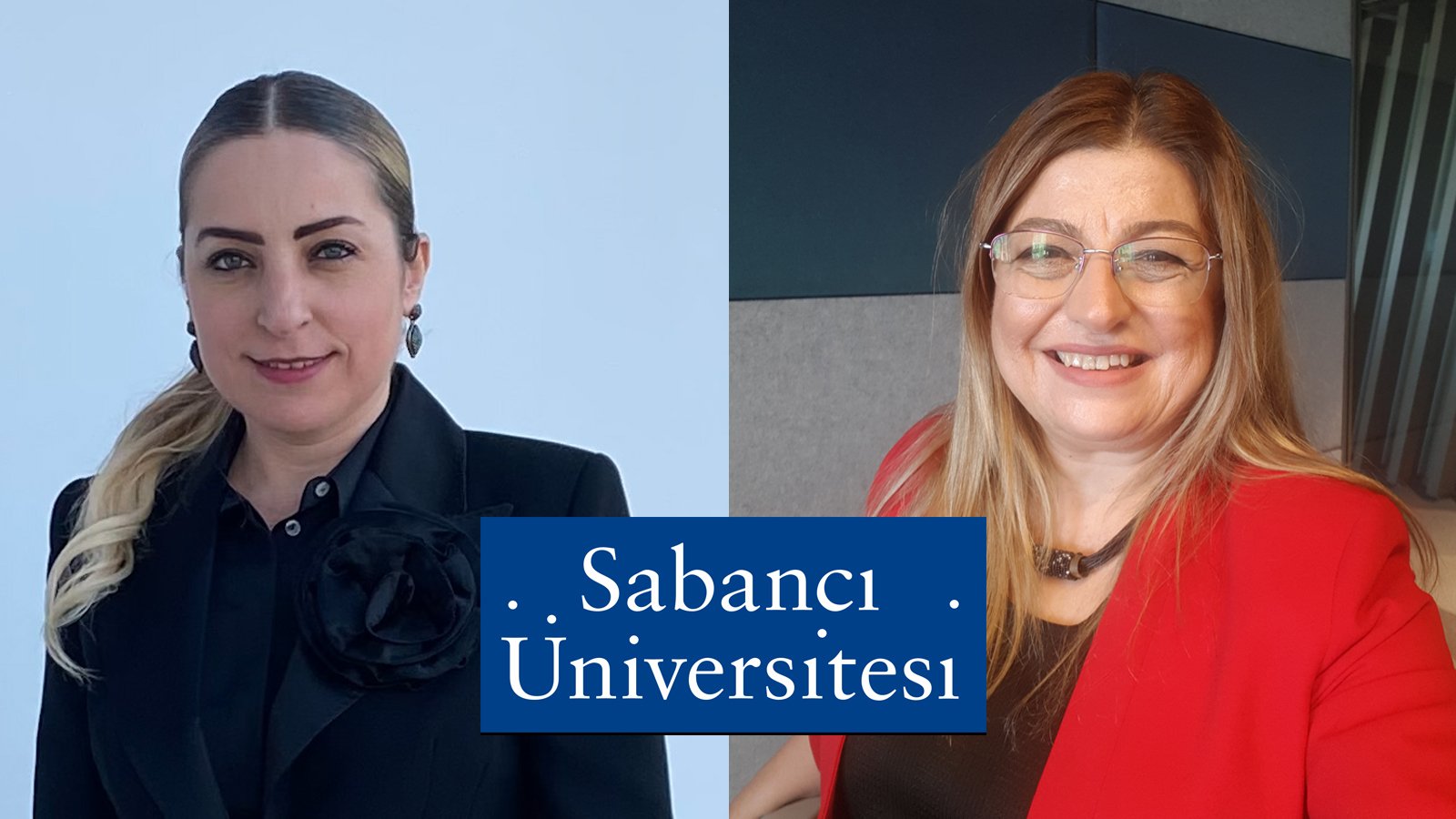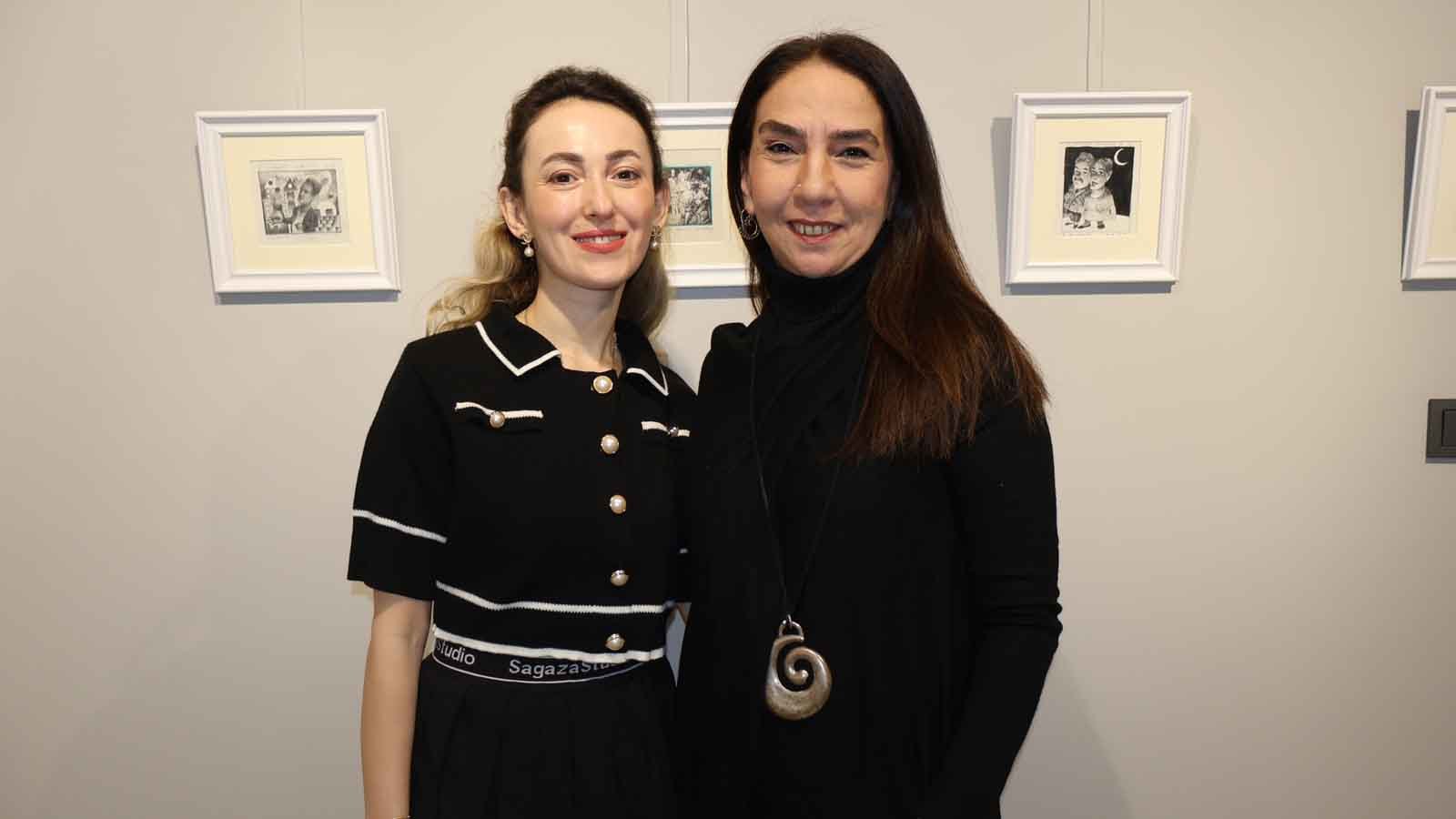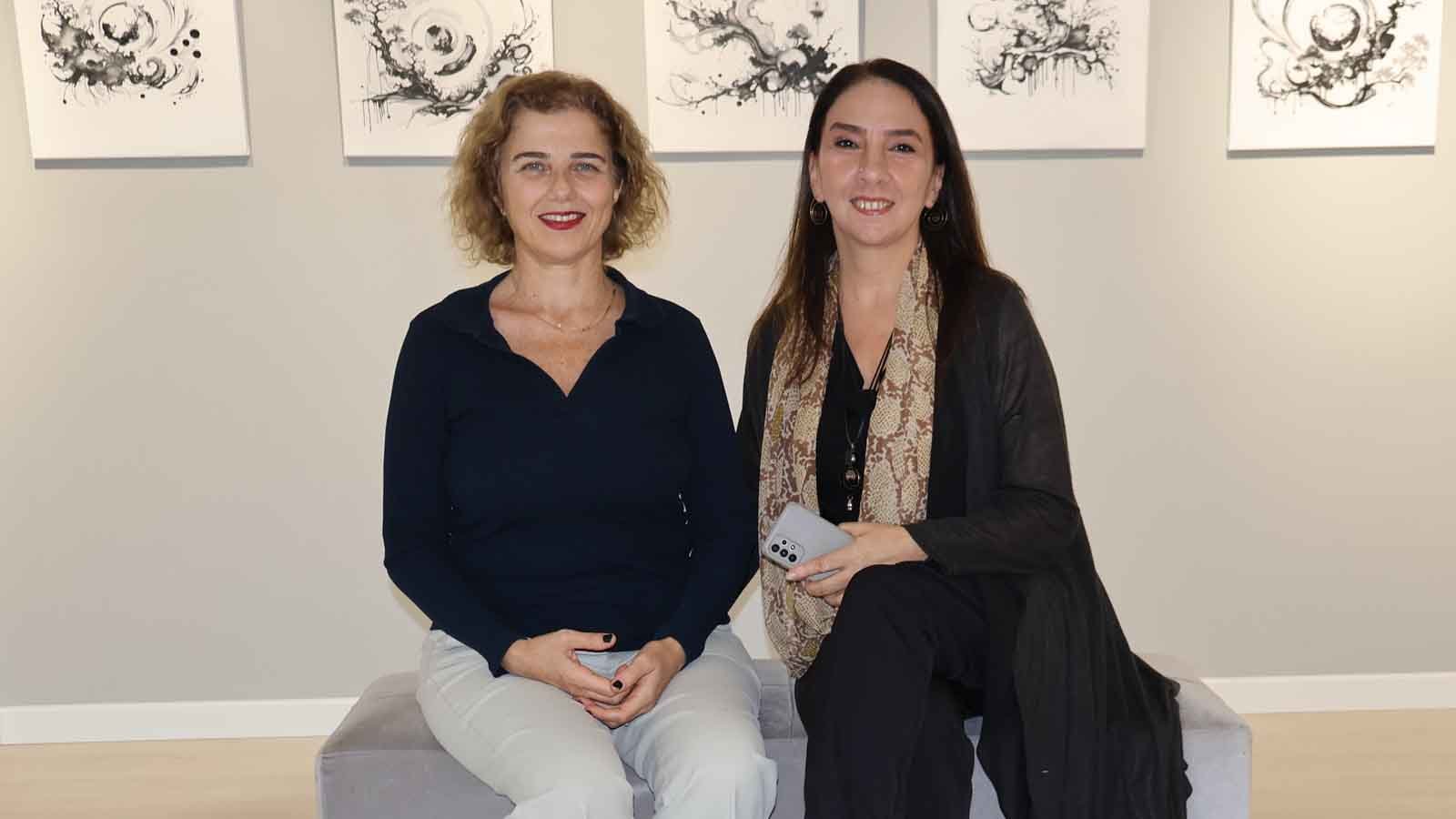
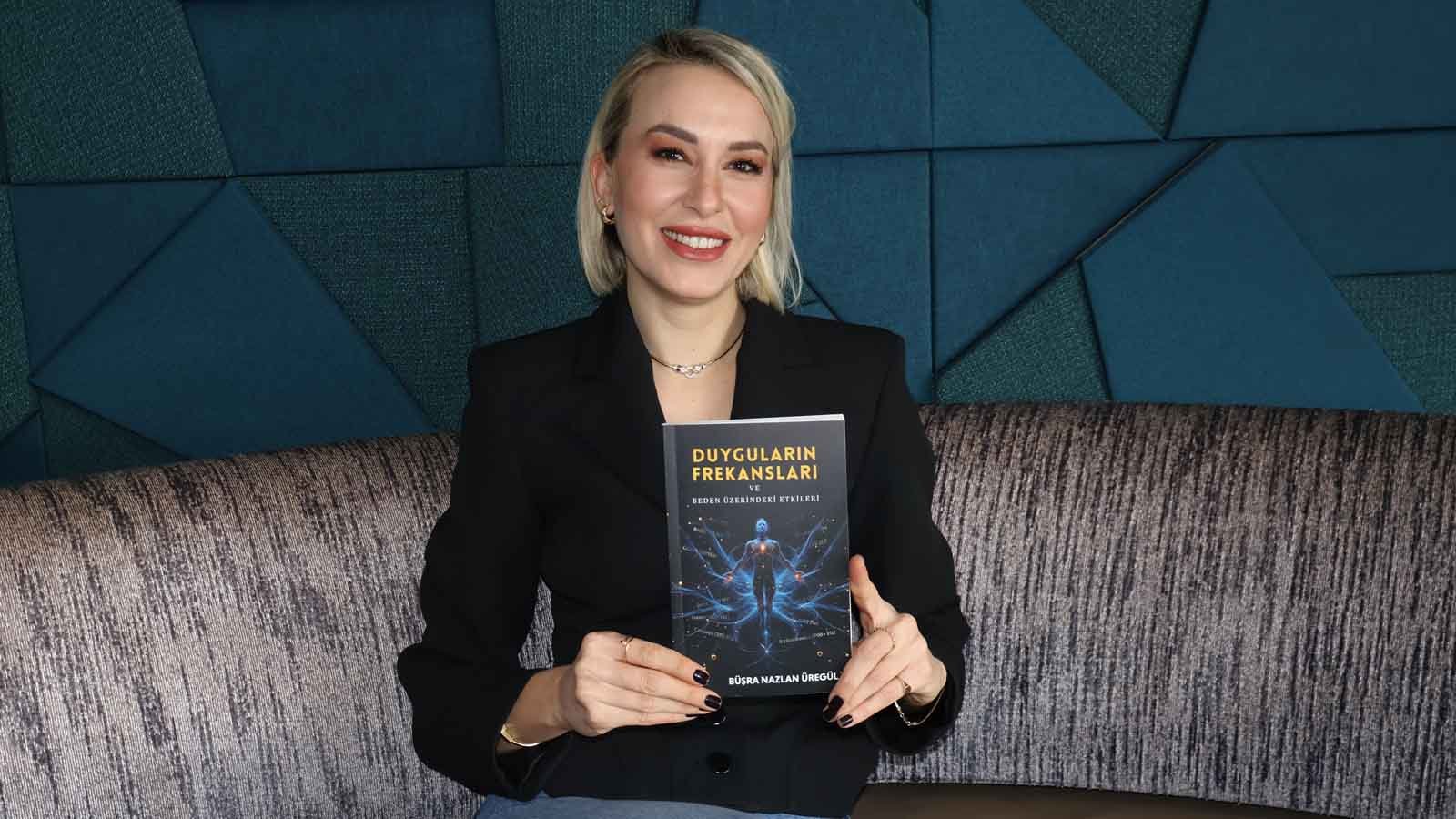
The new guest of the program “Conversations in Search of Happiness-Mutluluğun İzindeki Sohbetler” prepared by Özge Zeki is Büşra Nazlan Üregül, the author of the book “Frequencies of Emotions and Their Effects on the Body.”
This week on “Conversations in Search of Happiness,” Özge Zeki hosted her colleague and journalist-author Büşra Nazlan Üregül. Üregül, who has conducted significant interviews in the media sector for many years and produces content on her own YouTube channel, appeared before the audience this time not as the host, but as the interviewee. The main focus of the conversation was Üregül’s new book, “Frequencies of Emotions and Their Effects on the Body.”

At the beginning of the conversation, Büşra Nazlan Üregül sincerely shared the story of how her book came to be written. She stated that the foundation of her interest in these subjects was laid by her grandmother, who talked about concepts like quantum physics, frequencies, and the subconscious in years when these topics were not yet popular. She mentioned that her grandmother’s sayings, such as “Everything has a frequency” and “Love Nazlan without hurting her,” became ingrained in her childhood mind like a code. She emphasized that the idea of writing the book emerged not as a reaction to the increasing misinformation surrounding these topics, but as a natural result of her own long-term personal development journey, readings, and experiences. Üregül expressed that the book aims to offer the reader a sincere and guiding perspective by telling her own story of moving from a pessimistic mood to awareness with mindfulness, not with the promise of “life coaching.”
During the program, the frequency values of emotions, one of the book’s fundamental concepts, were discussed. Üregül shared information from her notes, stating that while shame vibrates at a low frequency like 20 GHz, love reaches up to 500 GHz, and peace up to 600 GHz. On this frequency scale, the state of “neutrality” at 250 GHz was identified as a critical threshold representing staying in balance. Üregül said the key to reaching high frequencies is through awareness, explaining that a person must first accept their current emotion, as resisting or rejecting it only reinforces the situation. She offered practical suggestions for transforming a low-frequency emotion, such as breathing techniques, meditation, praying, and listening to classical music. She shared her observation that classical music, with its frequency of 450 Hz and above, creates peace and tranquility in a person, whereas today’s pop music does not create the same effect.

In the later minutes of the conversation, states of consciousness and brain waves were discussed. Üregül stated that most people live in the “beta frequency,” characterized by stress, anxiety, and worry in daily life. She drew attention to the importance of regular meditation for transitioning to the calmer and more creative “alpha” and “theta” frequencies. She noted that giving positive affirmations to the subconscious while in the theta state, especially when falling asleep or waking up, is very effective: “As I fall asleep, I always drift off thinking about beautiful things. Since the brain cannot distinguish between reality and imagination, it works on the things you encode in that frequency.”
One of the most striking parts of the program was the topic of “heart and mind coherence.” Büşra Nazlan Üregül reminded that, as modern science also confirms, the heart has a stronger electromagnetic field than the brain. She explained that when desiring something, the negative sentences formed by the mind (logic), such as “I can’t achieve this, this isn’t possible,” block the high-frequency energy emitted by the heart. She emphasized that real change is possible when what the heart feels and what the mind thinks come into alignment, i.e., when heart-mind coherence is achieved. She stated that the way to achieve this coherence is through “disciplining” the brain with practices like affirmations, gratitude, and breathing.
When Özge Zeki asked about the impact of negative events in the news on one’s frequency, Üregül shared a personal experience. She stated that during her adolescence, on a psychologist’s recommendation, she stopped watching the news, which helped protect her mental health. Emphasizing that everyone needs to set their own boundaries, Üregül said, “You see what you focus on. If you constantly watch violence and fear, your brain starts to see that constantly in the outside world.” She expressed her belief that despite the increasing chaos and evil in the world, the level of human consciousness is rising just as rapidly. She offered a hopeful perspective, suggesting that just as a ball shoots up when you push it under water and let go, humanity will also rise after hitting rock bottom.
Finally, touching upon the power of forgiveness, Üregül stated that forgiveness is an action one should take for one’s own inner peace, not for the other person. Mentioning that she realized the anger she felt towards people she couldn’t forgive was depleting her own energy, she provided a powerful definition: “Forgiveness is being able to say, ‘I feel nothing for you; you don’t exist for me.’”