Official reports prepared at the desk and the realities experienced behind the reception desk often conflict with each other. Looking back at the January–August period we left behind, as a hotel operator who grew up from the grassroots and personally experienced both the kitchen and crisis management of the sector, I see that the picture is neither blindly pessimistic nor as rosy as claimed.
When we compare the macro data at hand with the cash movements of our hotels, the true anatomy of the 2026 season reveals itself in all its nakedness.
What Do the Numbers Say? Horizontal Course and Gradual Increases
Official indicators for the first eight months of 2026 show that the sector achieved limited, albeit positive, developments in visitor spending and length of stay:
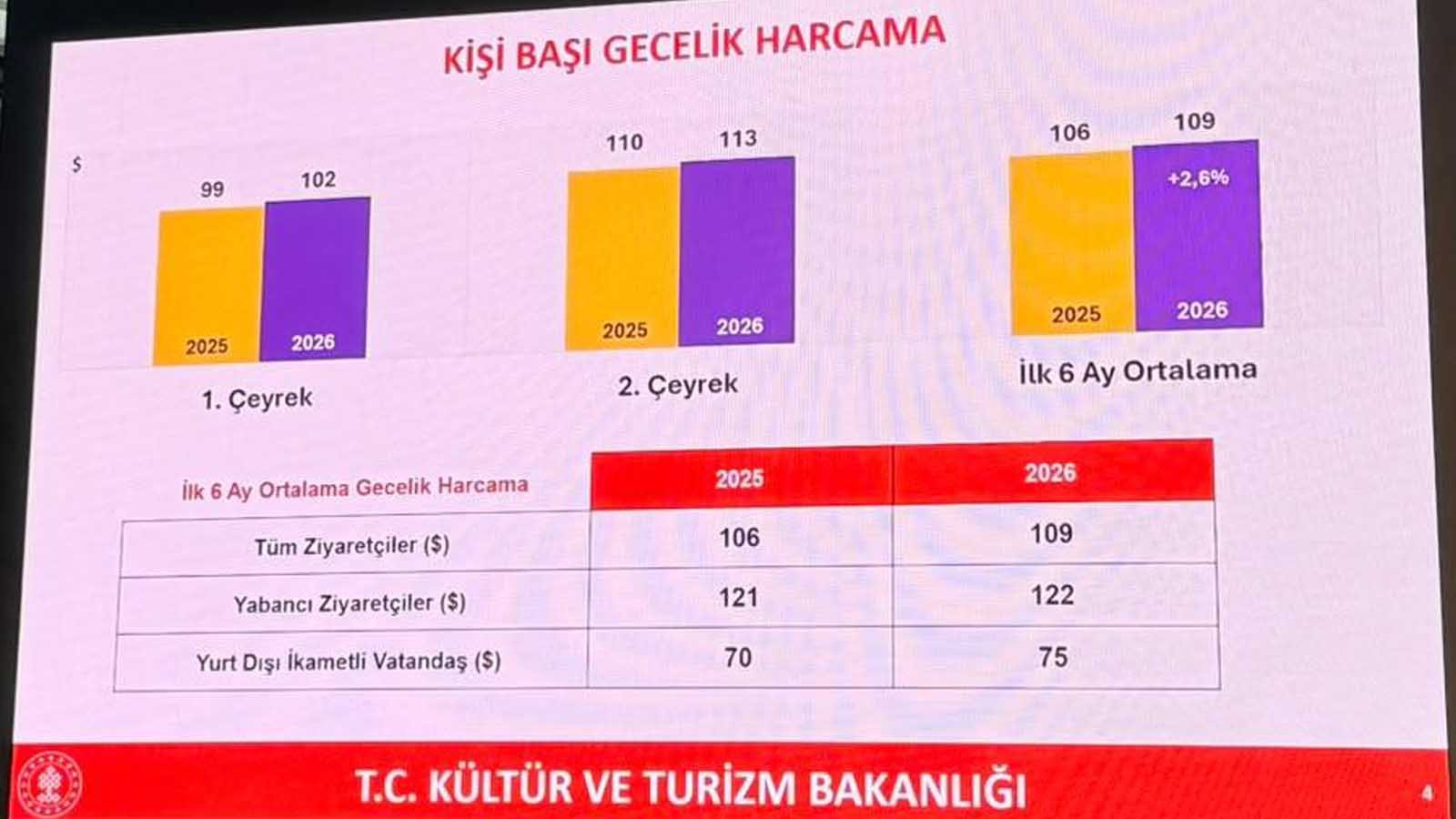
Spending Per Person Per Night: Increased by 2.6% in the first six months, rising from $106 to $109. Spending by foreign visitors rose from $121 to $122, while spending by our citizens residing abroad (expatriates) increased from $70 to $75.
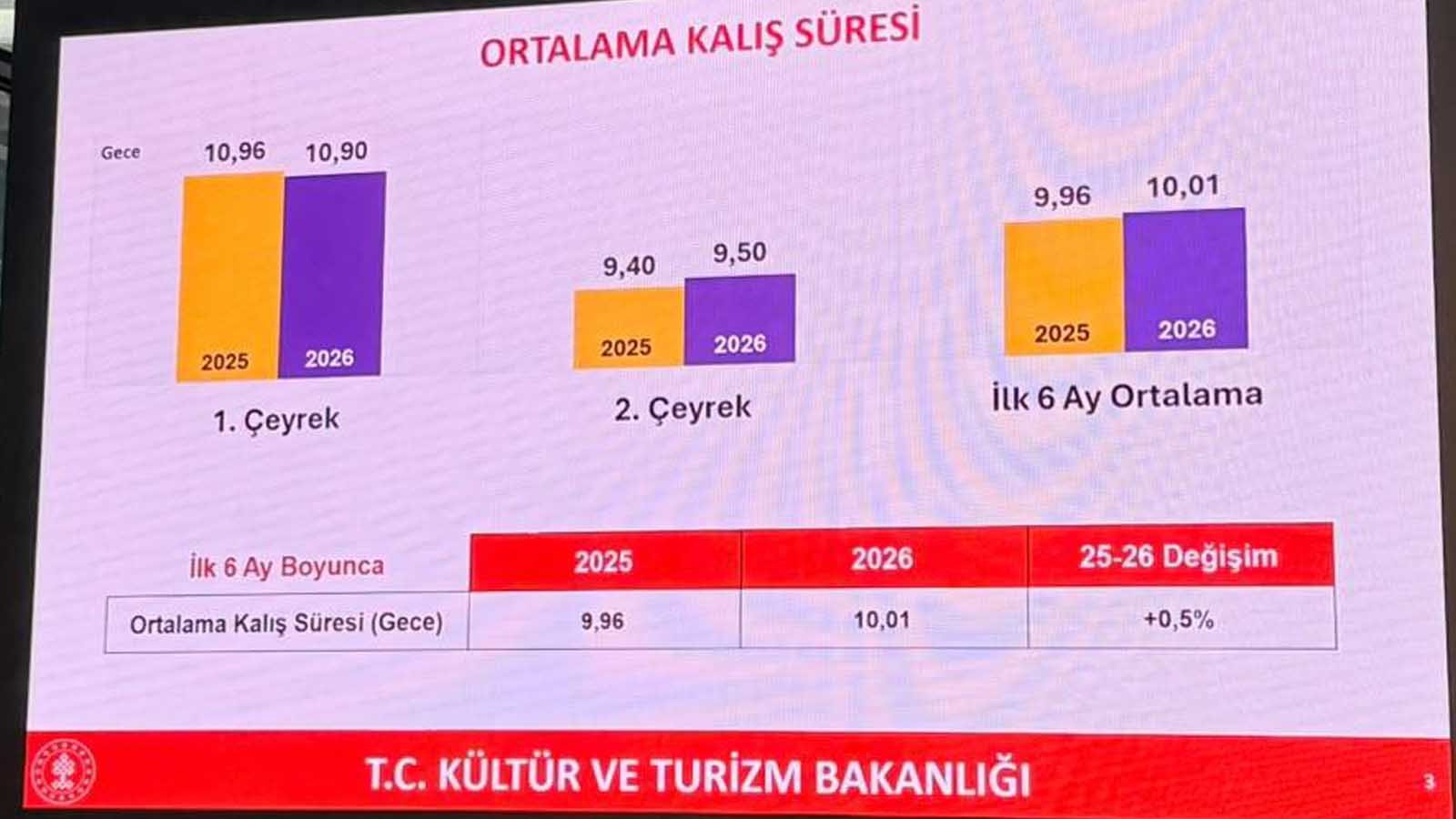
Average Length of Stay: Rose from 9.96 nights to 10.01 nights (an increase of 0.5%), showing a recovery trend especially in the second quarter.
Total Revenue: Remained at around $25.8 billion in the first six months, showing no significant growth compared to the same period last year; it followed a horizontal course.
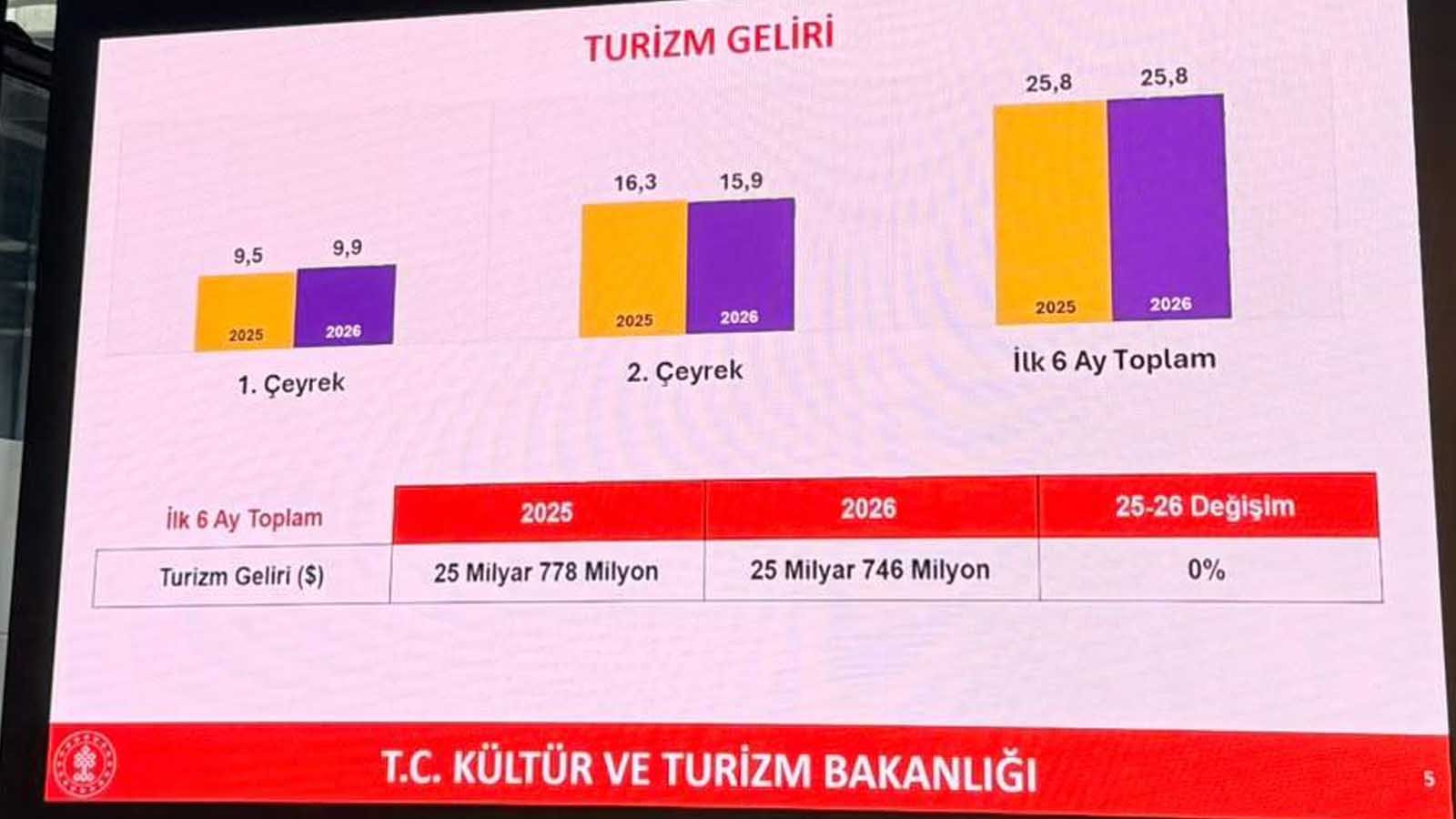
Although these gradual increases in per capita income and length of stay give positive signals on paper, the fact that total revenue remains stagnant shows that the small gains per tourist are eroded by changes in market distribution and rising costs.
The Truth on the Ground: The February Shock and “Full but Unprofitable” Facilities
We started the year with geopolitical shocks. In February, the escalating tension and hot conflict environment along the US-Israel-Iran line cut reservations like a knife overnight; our facilities were plunged into near silence.
In the spring and summer months, occupancy rates in coastal destinations again approached 100%. However, the other side of the coin is quite wearing:
Inflationary Pressure: Due to soaring energy, food, and personnel costs, as well as high interest rates, the turnover earned barely covered expenses.
Contraction in City Hotels: While high-season occupancy was experienced on the coasts, intense competition and serious price pressure prevailed in city hotels and the business travel segment.
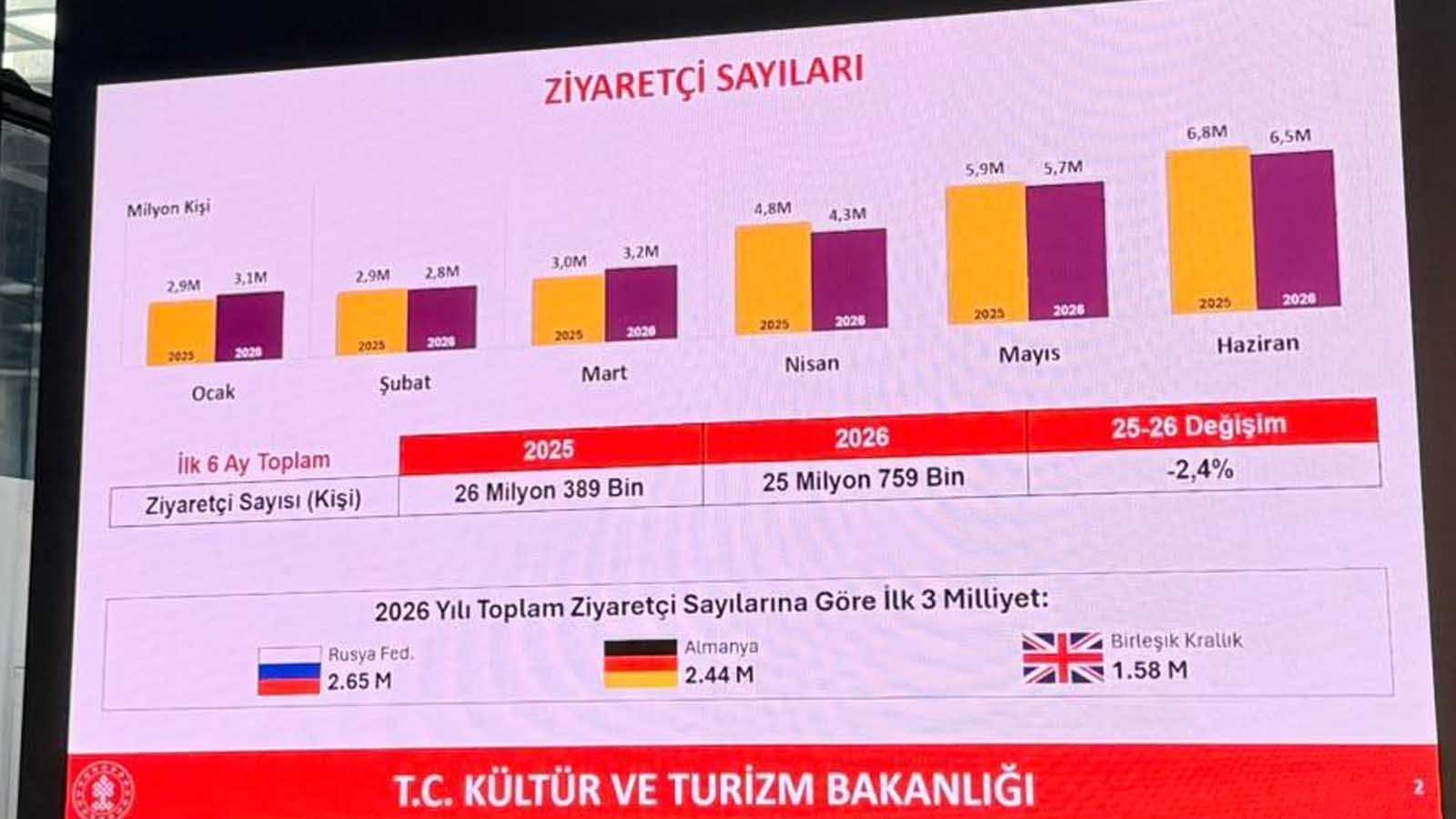
On the other hand, the reflection of transit passengers who use our country only as a hub and expatriates visiting their homeland as a significant weight in general tourist statistics causes the picture to be perceived as more voluminous than it is. If we want to grasp the sector’s real pulse, our focus should not be the number of transit passengers, but the official overnight stay data of all hotels and net profitability.
Alarm Bells in the Aegean: Price Perception and Preferences Shifting to the Neighbor
Our seasonal resort towns, especially Bodrum and Çeşme, underwent a very serious test this year. Uncontrolled price increases and the feeling of “being cheated / high cost” that formed in domestic and foreign tourists pushed holidaymakers toward alternative routes. It is estimated that approximately 2 million tourists shifted from the Aegean coasts to the Greek islands this season alone.
Many small and medium-sized enterprises, which long for previous seasons and cannot manage their cash flow in the grip of high interest and inflation, have had to either downsize or close their doors. We have entered an era where the era of just “filling rooms” is over; profitability, revenue management, and correct pricing strategies have become vital.
The Way Out: Strategic Diplomacy and Unwavering Security
We must also sincerely support the correct and visionary steps taken to overcome this bottleneck the sector is going through:
Diplomatic Corridors and the Mecca Alliance: I find the cooperation and the Mecca Alliance vision, shaped around the axis of Turkey, Saudi Arabia, and Pakistan, which our President has signed, extremely valuable. Such strategic partnerships that will open the door to the Gulf and South Asian markets, which have high spending potential for our country, are among the most important levers that will lift our total tourism revenues from the horizontal band upwards.
The “Terror-Free Turkey” Vision: As a tourism professional, I unconditionally and wholeheartedly support the goal of a “Terror-Free Turkey.” Tourism flourishes in an atmosphere of peace, stability, and trust. A Turkey where security concerns are reduced to zero will continue to be one of the world’s most attractive and indispensable destinations.
Conclusion
The January–August 2026 period has taught us this: a horizontal turnover of $25.8 billion and nightly spending of $109 is not a bad foundation; however, in an environment where inflation crushes businesses, rejoicing only in occupancy rates is an illusion.
The salvation of Turkish tourism lies not in the crowds of transit passengers, but in real accommodation data, in quality service that breaks the perception of exorbitant prices, in new markets that generate high income, and in the vision of a fully safe Turkey free of terrorism.
Murat TÜZEL
Head of the Tourism Commission of the New Party, Istanbul
Member of the World Federation of Travel Journalists and Writers