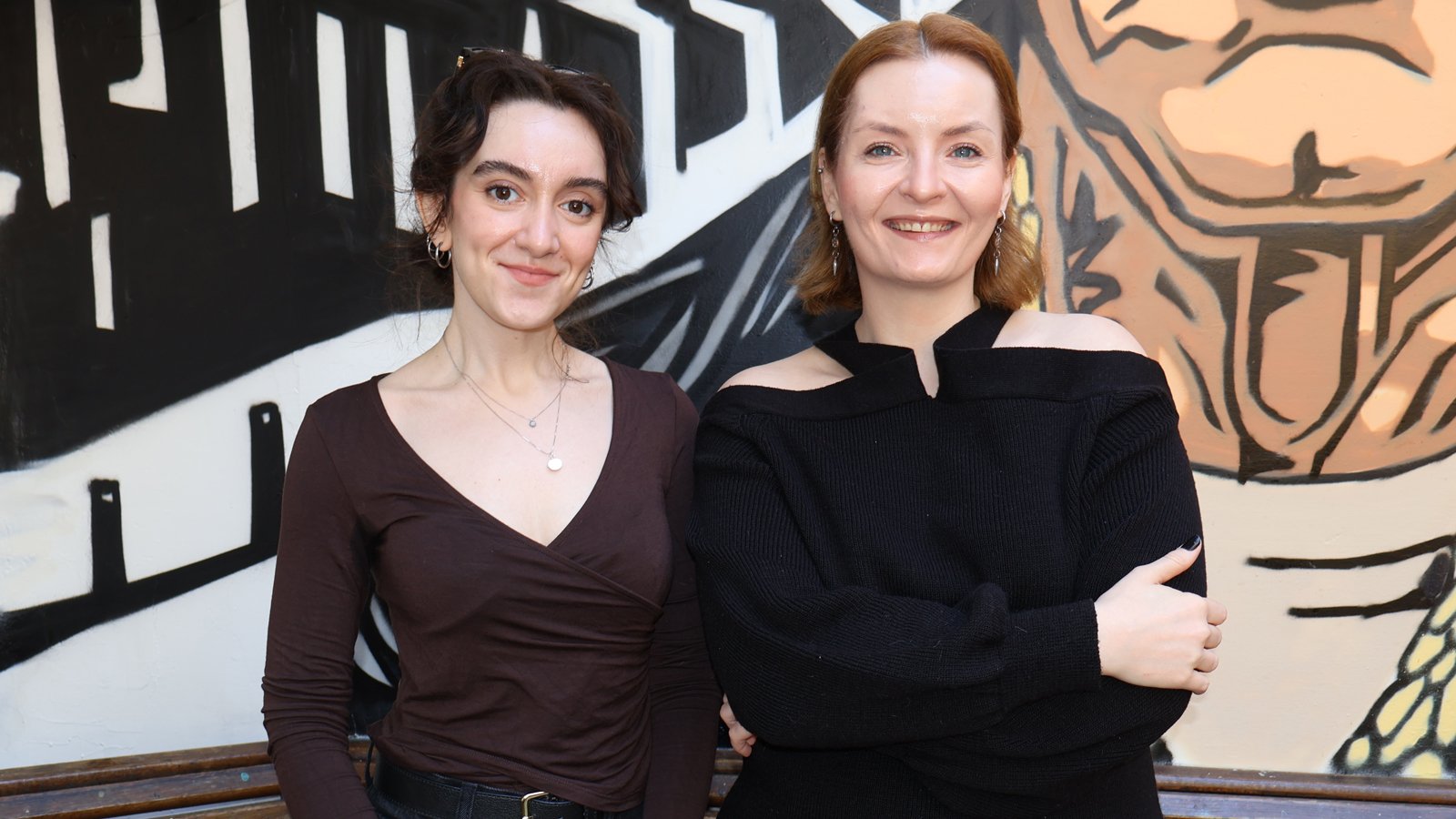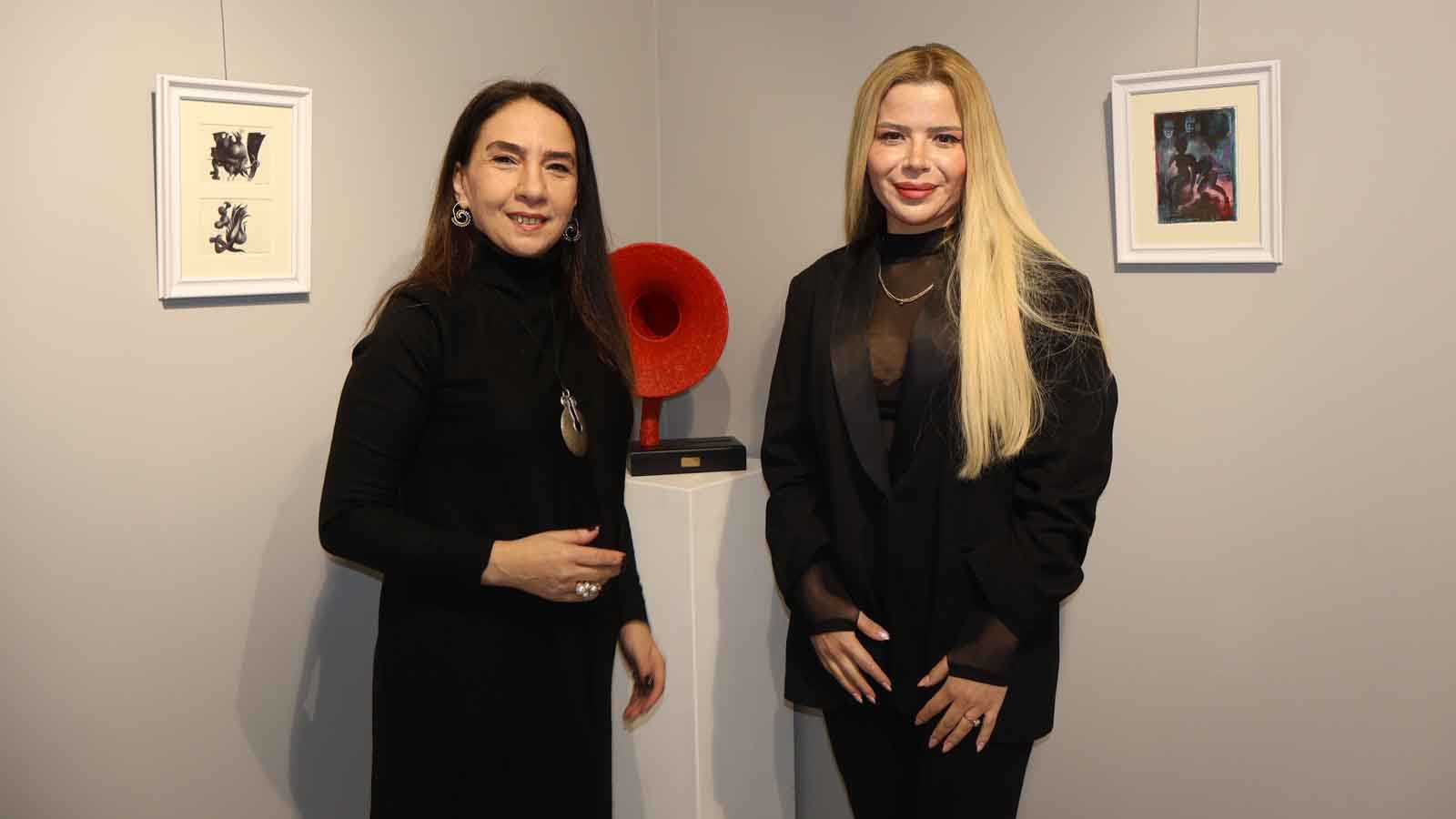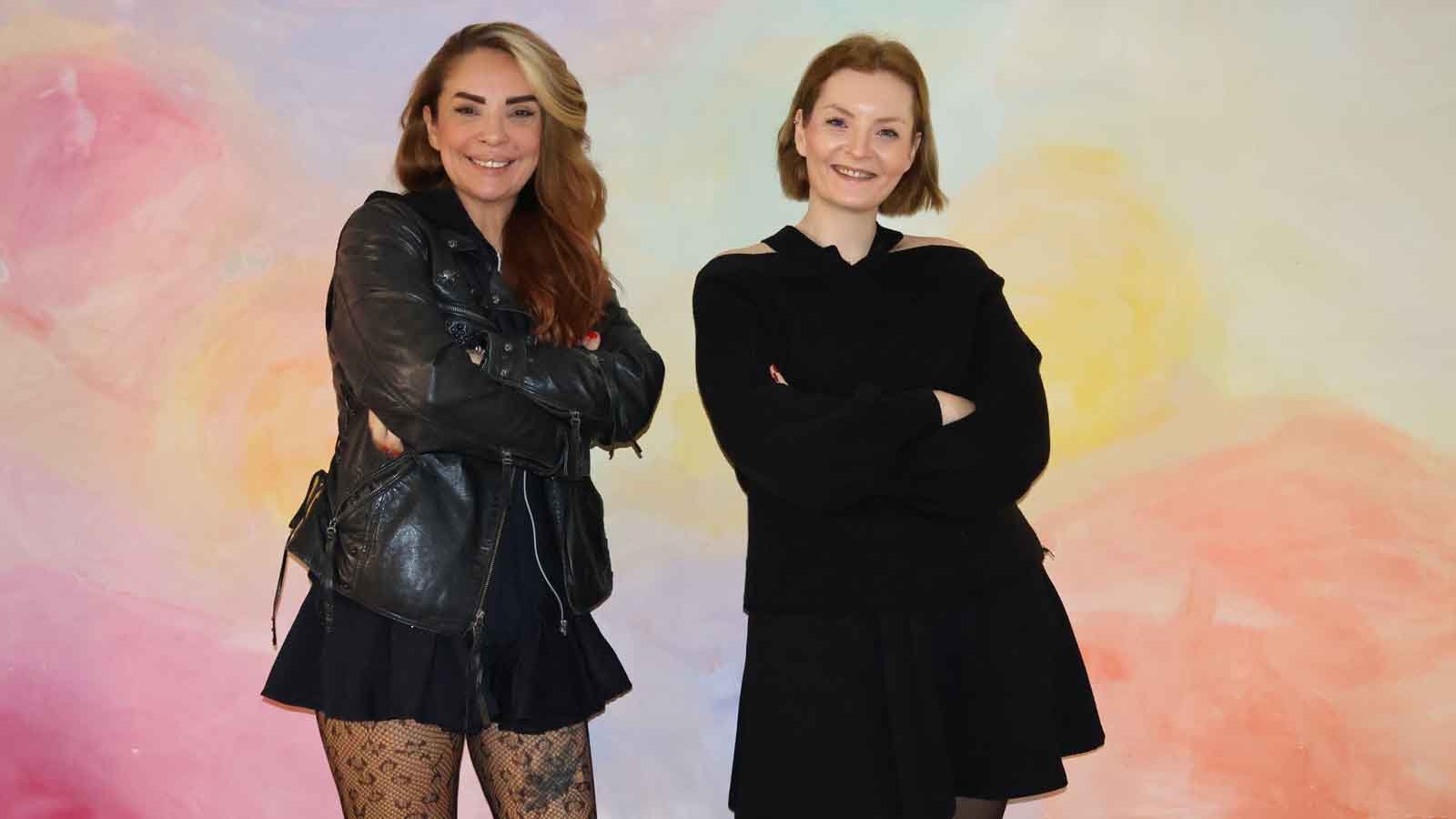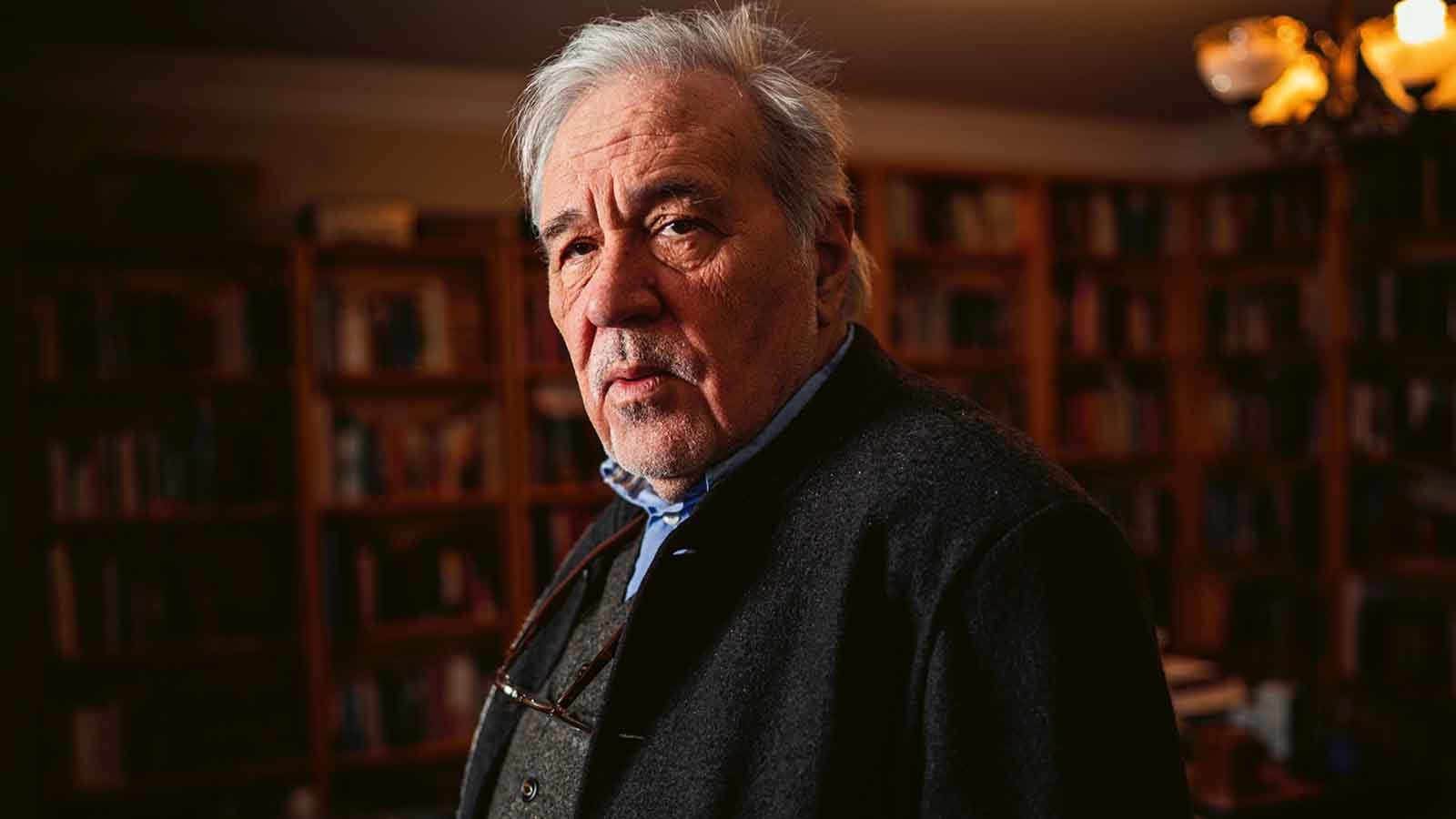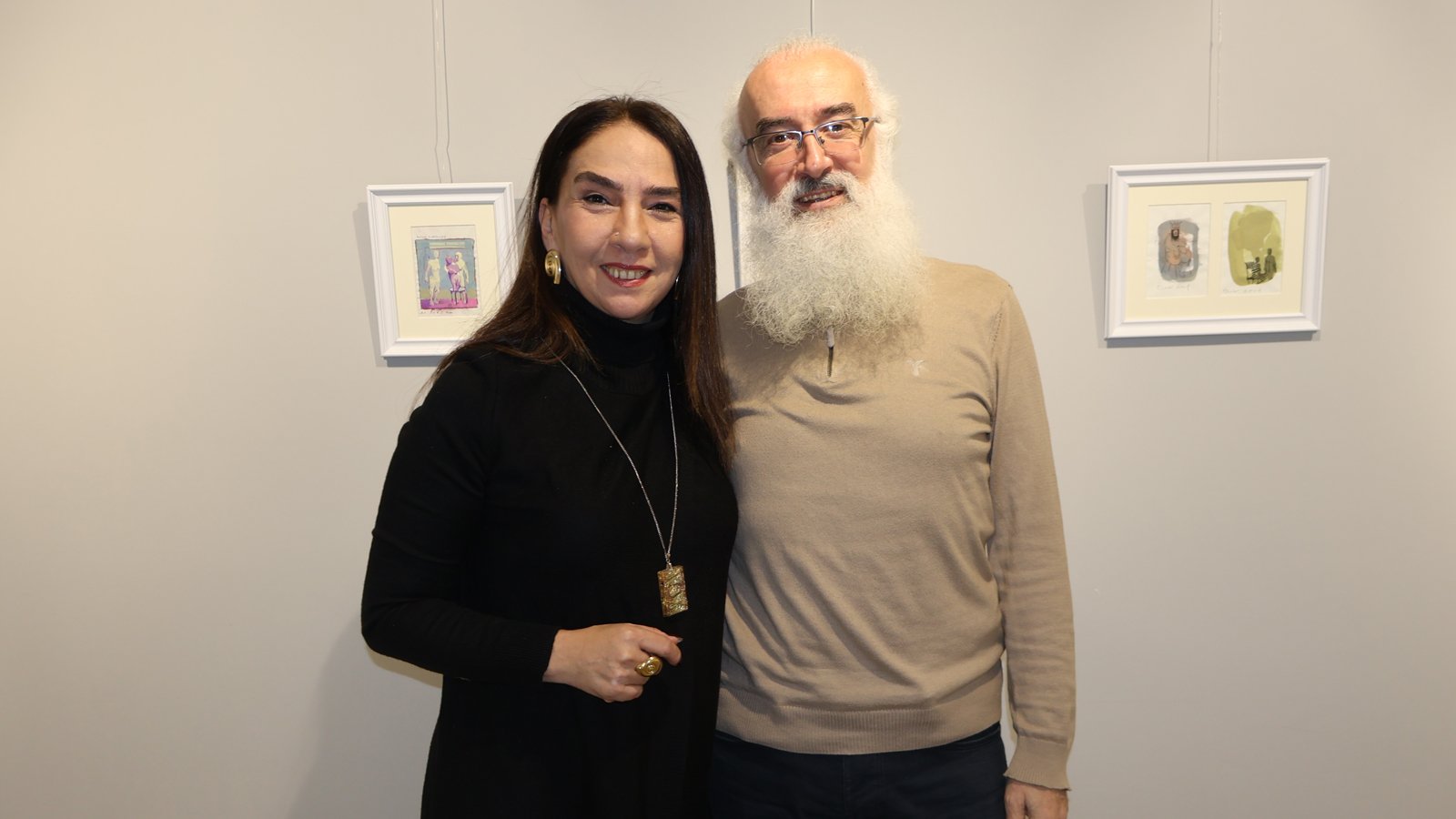
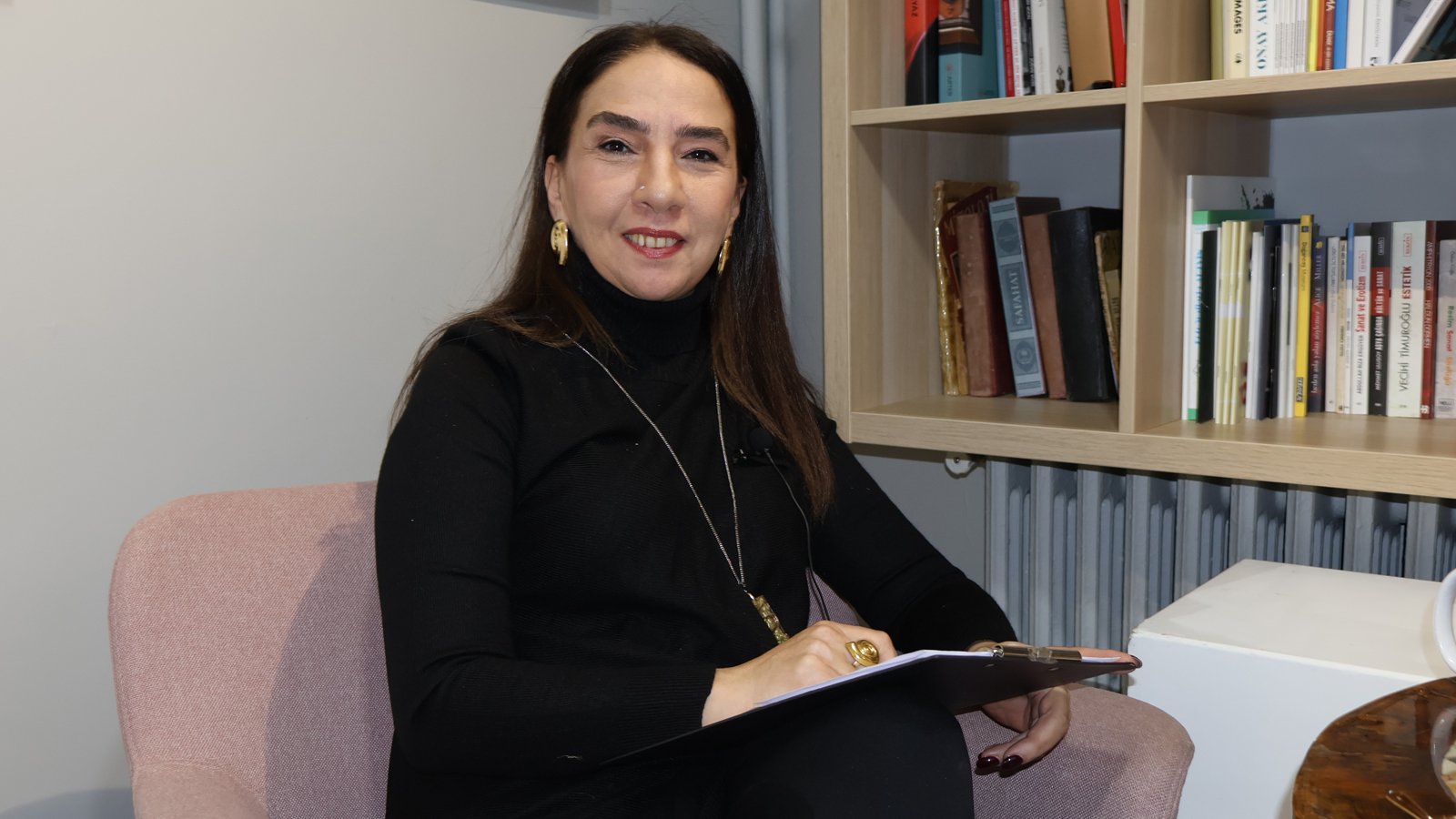
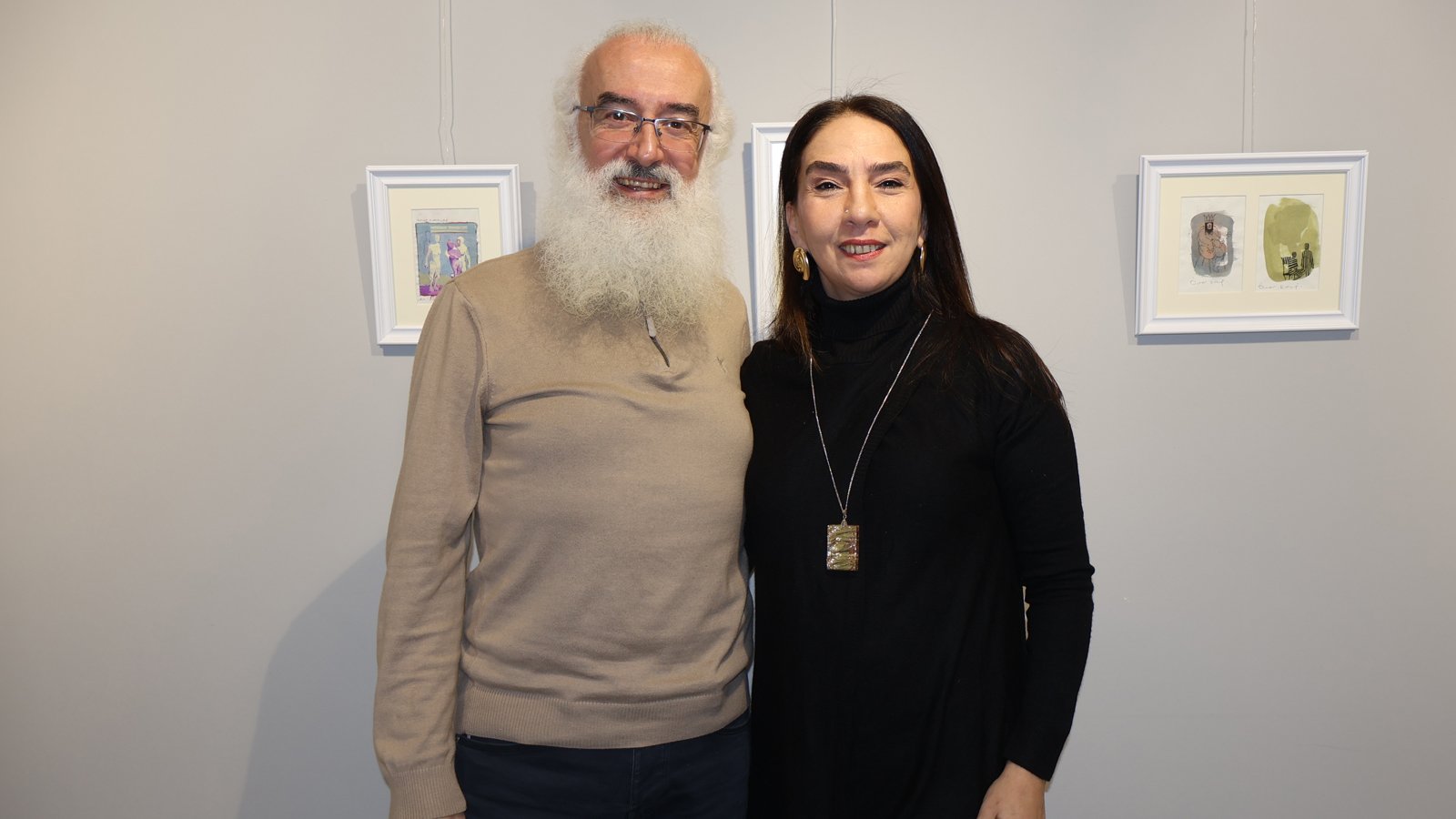
İbrahim Sinan Beşe was the guest of the program “Sanatın Evrimi” this week. Günsu Saraçoğlu, who prepared and hosted the program, shared detailed information about İbrahim Sinan Beşe’s life with the audience.
In the episode broadcast on the YouTube channel of Türkiye Haber Portalı on May 8, 2026, at 18:30, viewers will have the opportunity to discover İbrahim Sinan Beşe’s life journey.
Stating that he laid the foundations of his artistic journey in his childhood years, İbrahim Sinan Beşe explained that his passion for creation was shaped by observations that began within his family. The artist noted that his mother’s habit of transforming old materials and making them functional again created the first sparks of his creative world, and he began producing gifts from waste materials during his childhood, an approach that still forms the basis of his artistic practice today.
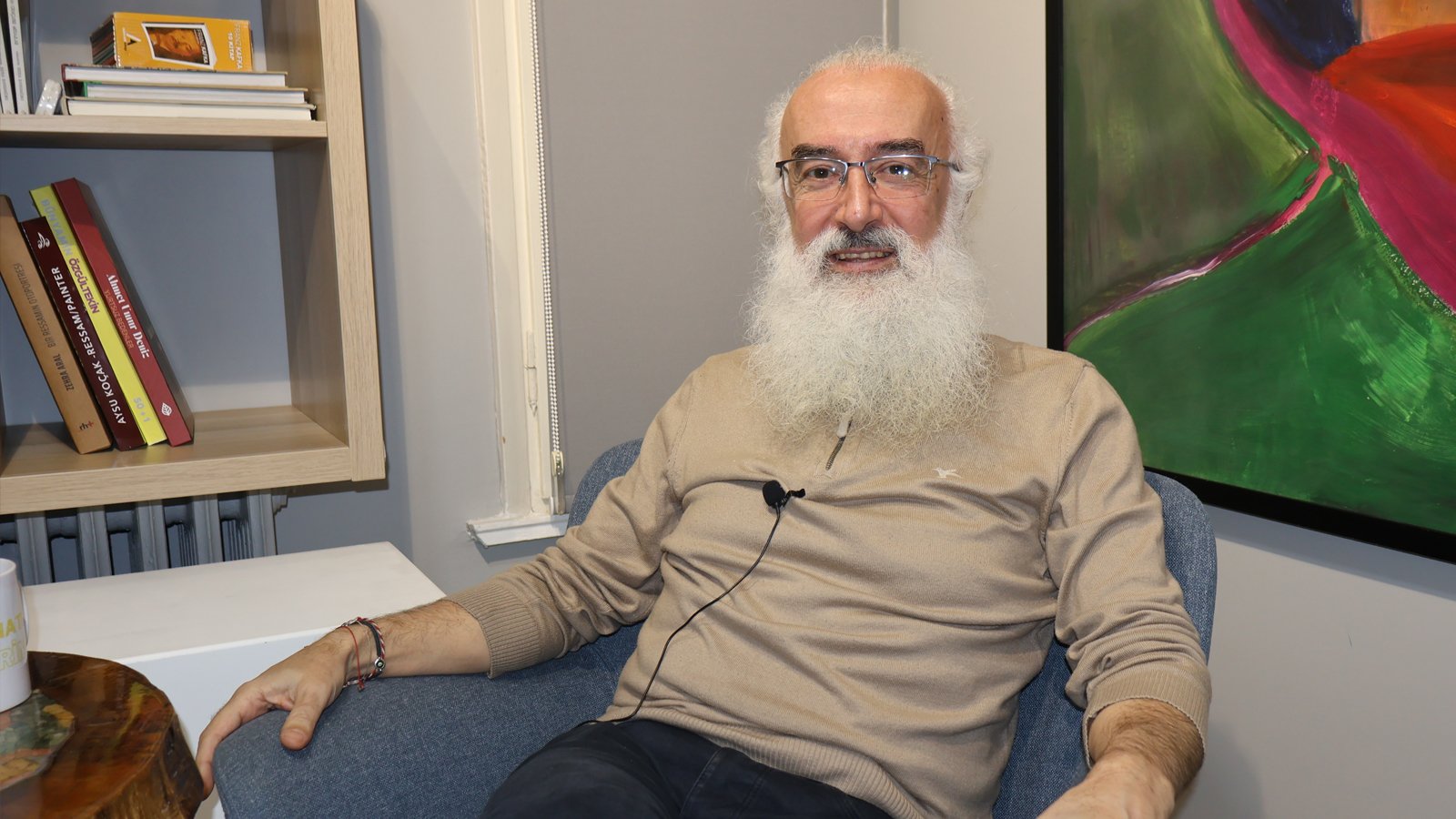
The program also extensively covered Beşe’s years of education at Mimar Sinan Fine Arts University. The artist explained that although he studied textiles, he worked closely with many different disciplines, from ceramics to industrial design, and emphasized that artistic disciplines cannot be considered separately from one another. According to him, every field, from gastronomy to architecture, from music to costume design, represents a shared universe of production where creative thought manifests in different forms.
One of the notable topics in the interview was İbrahim Sinan Beşe’s background in music and performing arts. Beşe, who actively experienced the sound and rhythm dimensions of art through his work at TRT, stage performances, and composition/lyric writing, stated that his experiences in these areas directly contributed to his design approach. He emphasized that he transformed the inner language developed through musical production, based on emotion and rhythm, into an effective narrative form in his visual designs.
His acting experiences in the cinema and television industry were also important topics of the program. Beşe explained that by taking part in various television series and film projects, he gained significant experience in storytelling, character creation, and stage aesthetics. Stating that he works on scriptwriting and short/feature-length projects, the artist expressed that there is a strong interaction between the visual language of cinema and his design approach.
At the center of İbrahim Sinan Beşe’s artistic practice is the organic relationship he establishes with materials. The artist transforms objects often overlooked in daily life into a means of expression; he focuses on the idea of transformation through designs developed with dry leaves, scouring pads, pine cones, corn husks, and various natural materials. Stating that he believes every material carries its own spirit and energy, Beşe expressed that when he looks at an object, he sees its potential story of transformation.
One of the most striking parts of the program was the artist’s olive pit project, on which he has been working for years. In this production process, which has been ongoing for over a decade, Beşe cleaned and processed thousands of olive pits collected from different cities, transforming them into a textile form. The labor-intensive processes, such as cleaning the olive pits with hot and cold water multiple times to remove their oil, drilling each one individually, and combining them with copper materials, revealed the patience and dedication in the artist’s approach to production.
Emphasizing that the olive pit project is not merely an aesthetic work, Beşe stated that this production also carries a powerful environmental and philosophical message. Reminding that the olive tree has historically symbolized peace, togetherness, and the continuity of life, the artist expressed that this artistic response against the destruction of olive trees draws attention to the fragile relationship between nature and humanity.
Throughout the program, İbrahim Sinan Beşe highlighted the idea that art inherently contains “discomfort” and “quest,” stating that an artist can only produce through internal questioning and social sensitivity. According to him, art means not only creating what is beautiful but also making the invisible visible, bringing silent issues to light, and contributing to social memory.
The 88th episode of “Sanatın Evrimi” was broadcast on May 8, 2026, at 18:30 on the Türkiye Haber Portalı YouTube channel. The program once again demonstrated that art is not merely a field of production but a powerful form of expression that gives meaning to life, transforms it, and rebuilds it, while offering viewers the opportunity to take a close look at İbrahim Sinan Beşe’s multifaceted artistic universe.