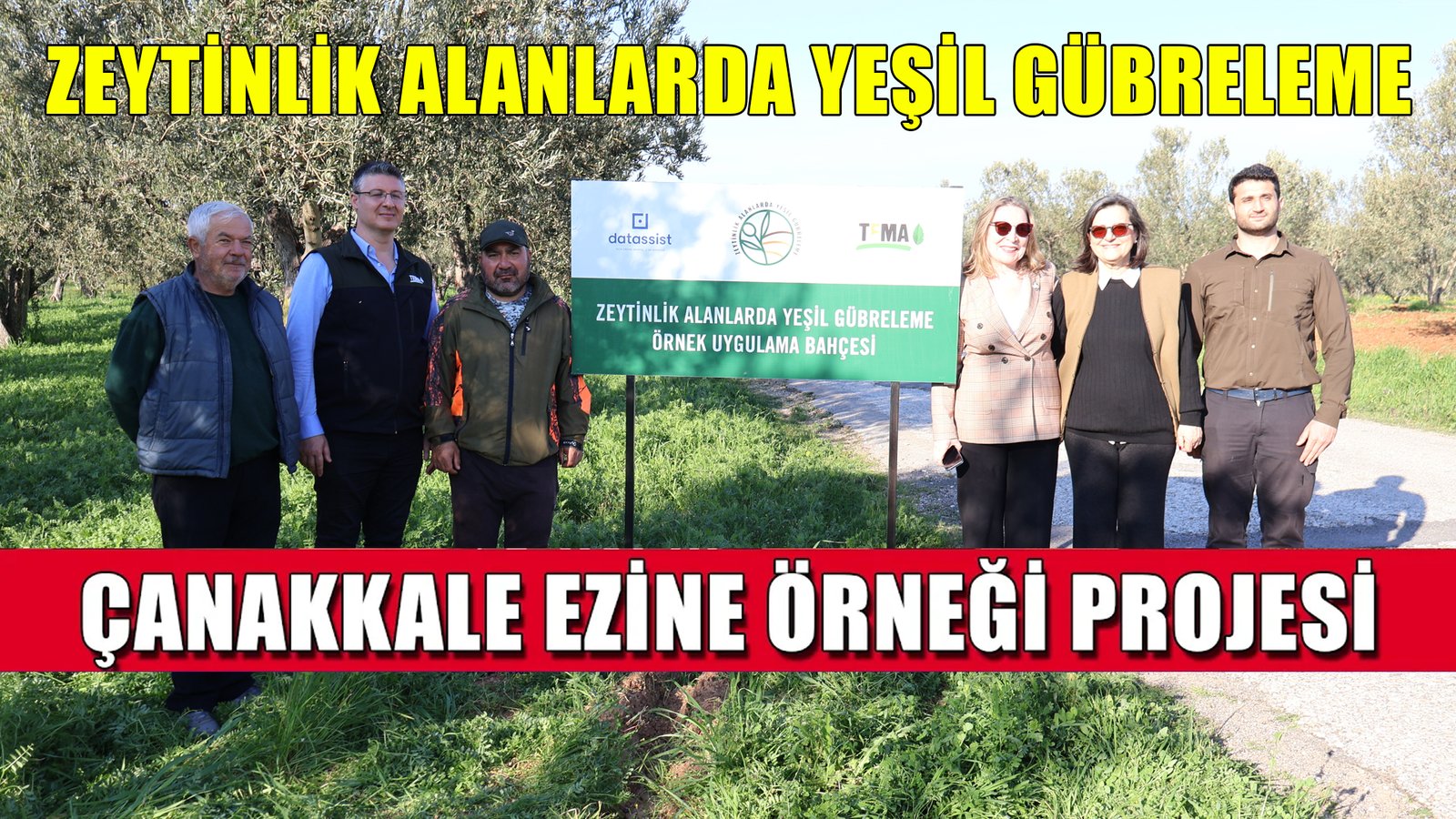
TEMA Foundation’s Green Manuring in Olive Groves: The Çanakkale Ezine Example Project, carried out with the contributions of Datassist and in collaboration with the Çanakkale Provincial Directorate of Agriculture and Forestry and the Ezine Chamber of Agriculture, is applying a nature‑based solution on the ground to counter the effects of climate change and drought on olive groves.
Launched last October in Ezine district of Çanakkale, the project implements green manuring practices in olive groves to protect the soil and improve its health. By these practices, the aim is to increase the soil’s water retention capacity and to make the orchards more drought‑resistant.
The Power of Soil: Organic Matter Holds Tons of Water
Droughts, intensified by climate change, directly threaten agricultural production. In regions practiced dry farming where rainfall is low, increasing the soil’s water storage capacity is vital.
Soil organic matter plays a critical role here; it acts like a sponge, retaining water in the soil, and by improving soil structure, it enhances biological activity and resistance to erosion.
In Turkey, 99% of agricultural soils have organic matter content below 3%. Yet every 1% increase in organic matter means about 23 tons of additional water can be retained per decare of land.
Green Manuring Supports Nature’s Own Cycle
Within the green manuring method applied in the project, cover crops grown fix atmospheric nitrogen to the soil with nitrogen‑fixing bacteria in their roots. At the same time, they enrich the upper soil by taking nutrients from deeper soil layers.
In Ezine, the legume fodder crop vetch is grown mixed with barley and sown in the olive groves. During flowering, these plants are incorporated into the soil to increase the amount of organic matter.
This method not only enriches the soil; it also supports a cyclical relationship between plant and animal production by contributing to animal feed production.
Pilot Application in Ezine
In Ezine, where olive production and livestock farming are carried out together, the project established demonstration orchards across seven villages, totaling 60 decares of land.
To spread this soil‑friendly practice in Ezine, garden days will be organized in olive groves where green manure seeds have been sown, alongside farmer trainings.
“When the soil grows stronger, production endures; when production endures, life continues”
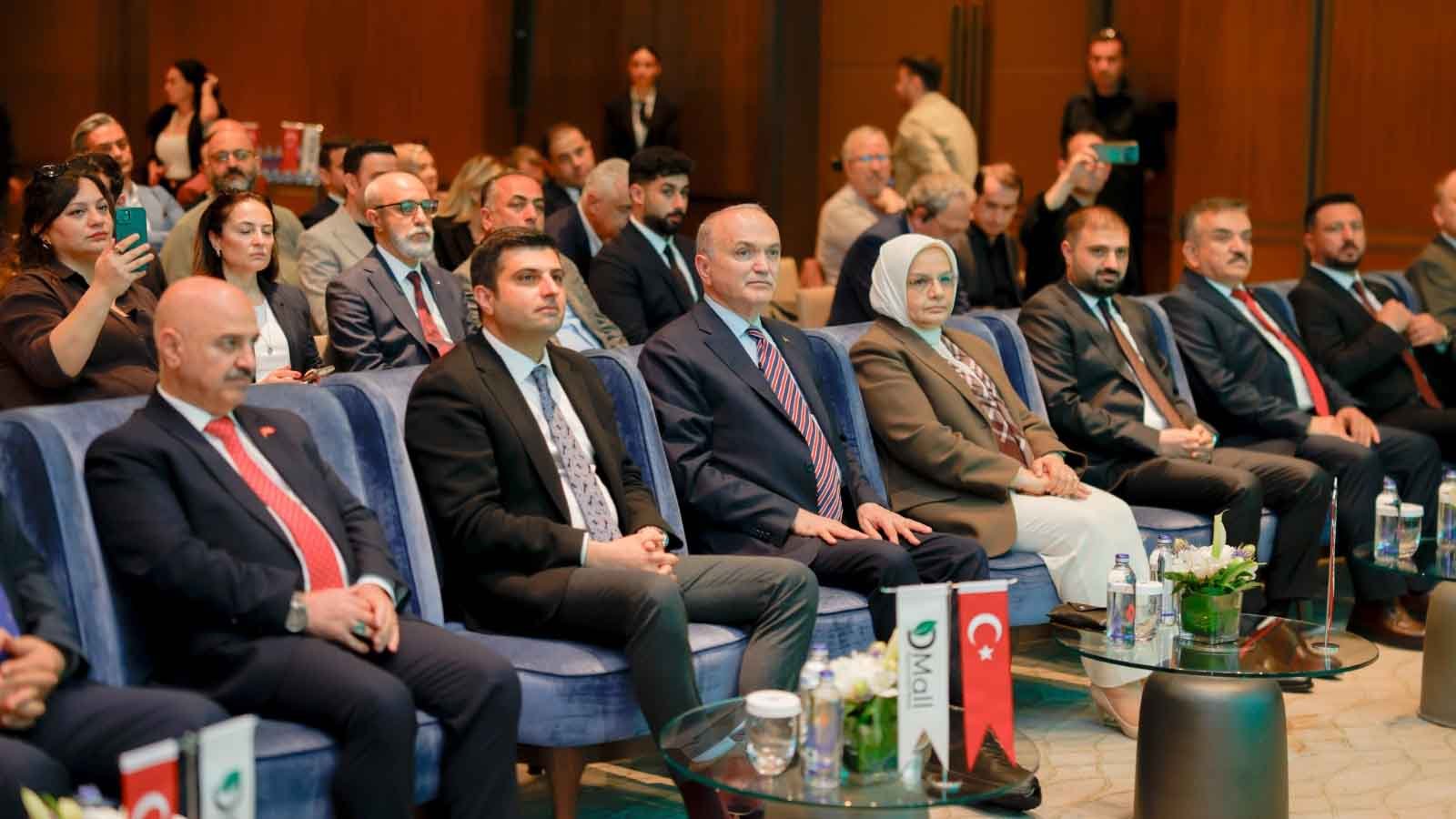
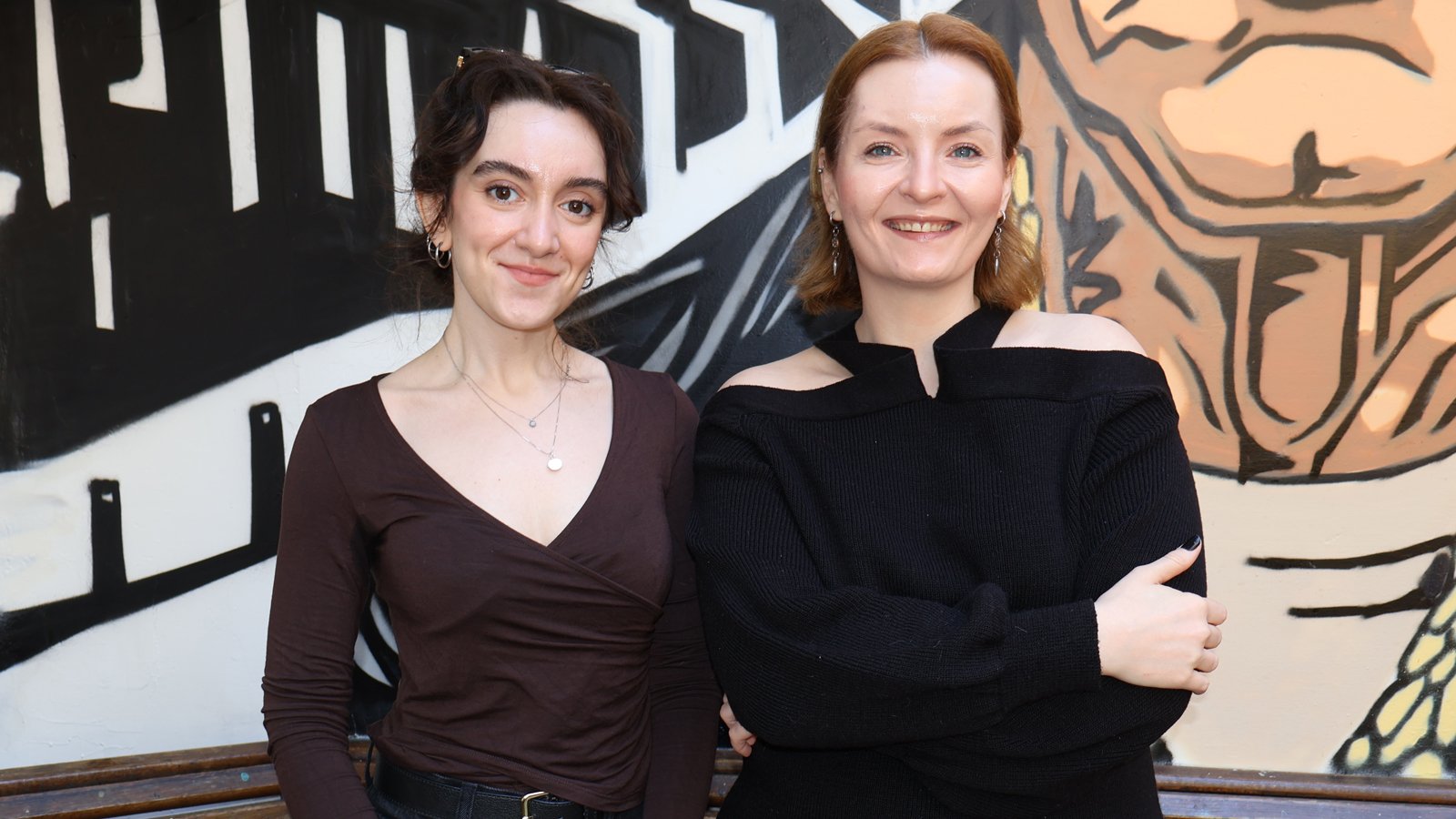
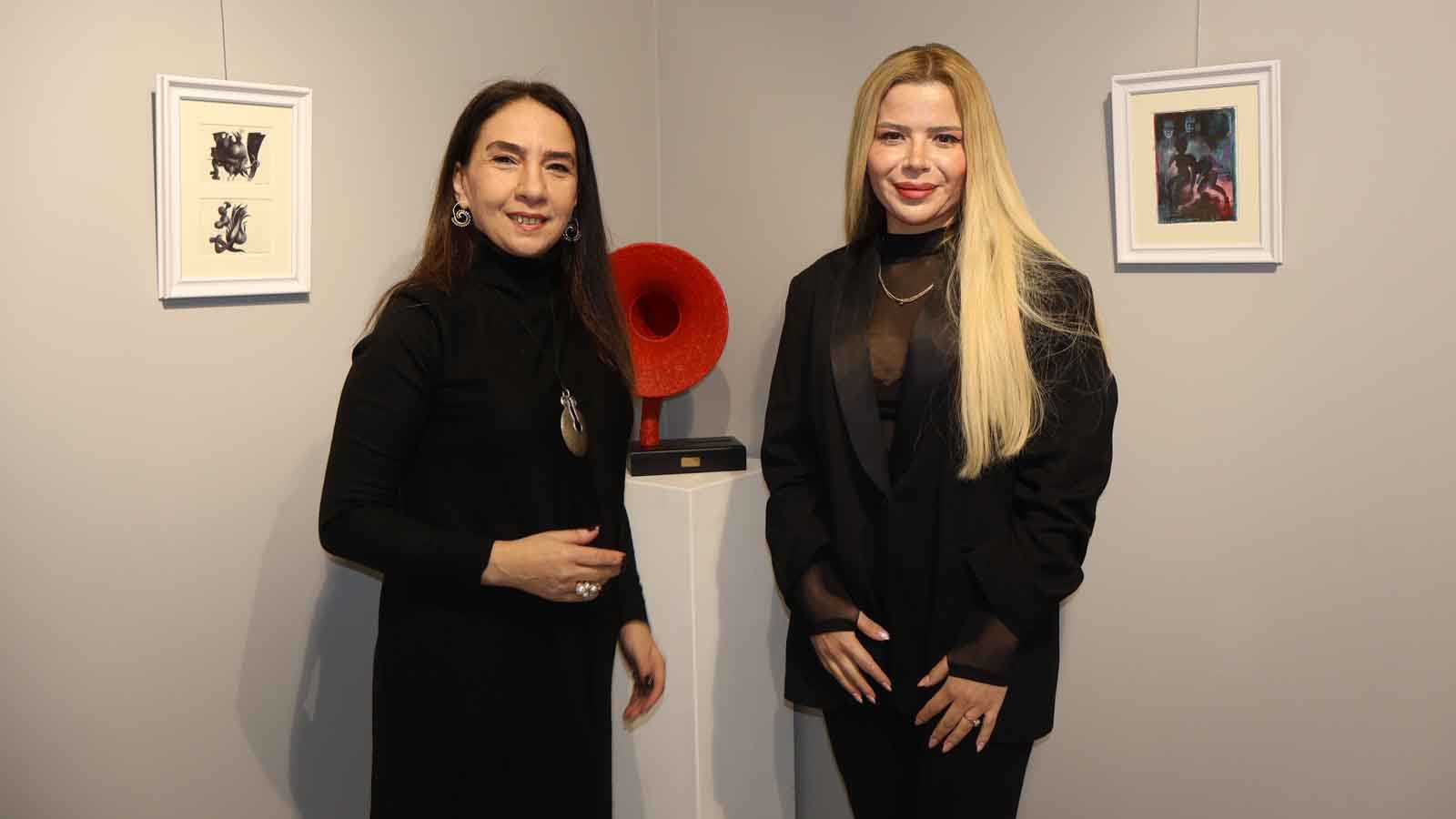
Visiting the Ezine demonstration gardens with Ayşe Nazmiye Uça, Founding Partner of Datassist, Deniz Ataç, Chair of TEMA Foundation’s Board, highlighted the importance of nature‑based solutions and said:
“We cannot protect water without protecting soil, and we cannot protect production without protecting water. The strongest solutions to the climate crisis are those that are based on nature’s own cycles. Green manuring is the field‑level embodiment of this approach. Our most important strength in fighting drought is healthy soil. We started this project with pilot implementations in Akhisar in 2021, and we believe Ezine will achieve pioneering results with local producers as well. We mustn’t forget that when the soil grows stronger, production endures; when production endures, life continues. Rebuilding nature’s cycle is in our hands. I would like to thank Datassist again, along with the Çanakkale Provincial and Ezine District Directorates of Agriculture and Forestry and the Ezine Chamber of Agriculture for their contributions to this project.”
“Nature‑based solutions find a foothold in the field”
Datassist Founding Partner Ayşe Nazmiye Uça also noted that public, private sector, and public–private collaboration strengthen pioneering conservation and social responsibility efforts, saying: “This project is a strong example showing that nature‑based solutions can have tangible resonance in the field. We believe every step grown through partnerships will create a lasting impact for sustainable agriculture and empower producers. It is also very important for the spread of practices that support sustainability in agriculture that projects like this prolifer. We hope this step in Ezine will inspire other regions. We are proud to contribute to this project.”
“Soil health is the foundation of rural development”
Dr. Ferhat Taze, Head of the Forest and Rural Development Division of TEMA Foundation, underscored the importance of the project for farmers and ecosystems:
“Every practice that strengthens soil health returns abundance to the farmer. Green manuring protects soil from erosion, increases soil vitality and organic matter, i.e., its health, and also increases resilience to increasing droughts. At TEMA Foundation, we reiterate: climate‑aware agricultural practices begin with the soil, and this is no longer a choice but an obligation. Our aim is to broaden these nature‑friendly practices and to ensure our farmers are less affected by the climate crisis.”
Nature‑Based Solutions Reaching for the Future
The Olive Groves Green Manuring: Çanakkale Ezine Example Project aims to both improve soil health and increase farmers’ resilience to the climate crisis.
The spread of nature‑based practices like green manuring is critically important for protecting water resources and achieving sustainable production.