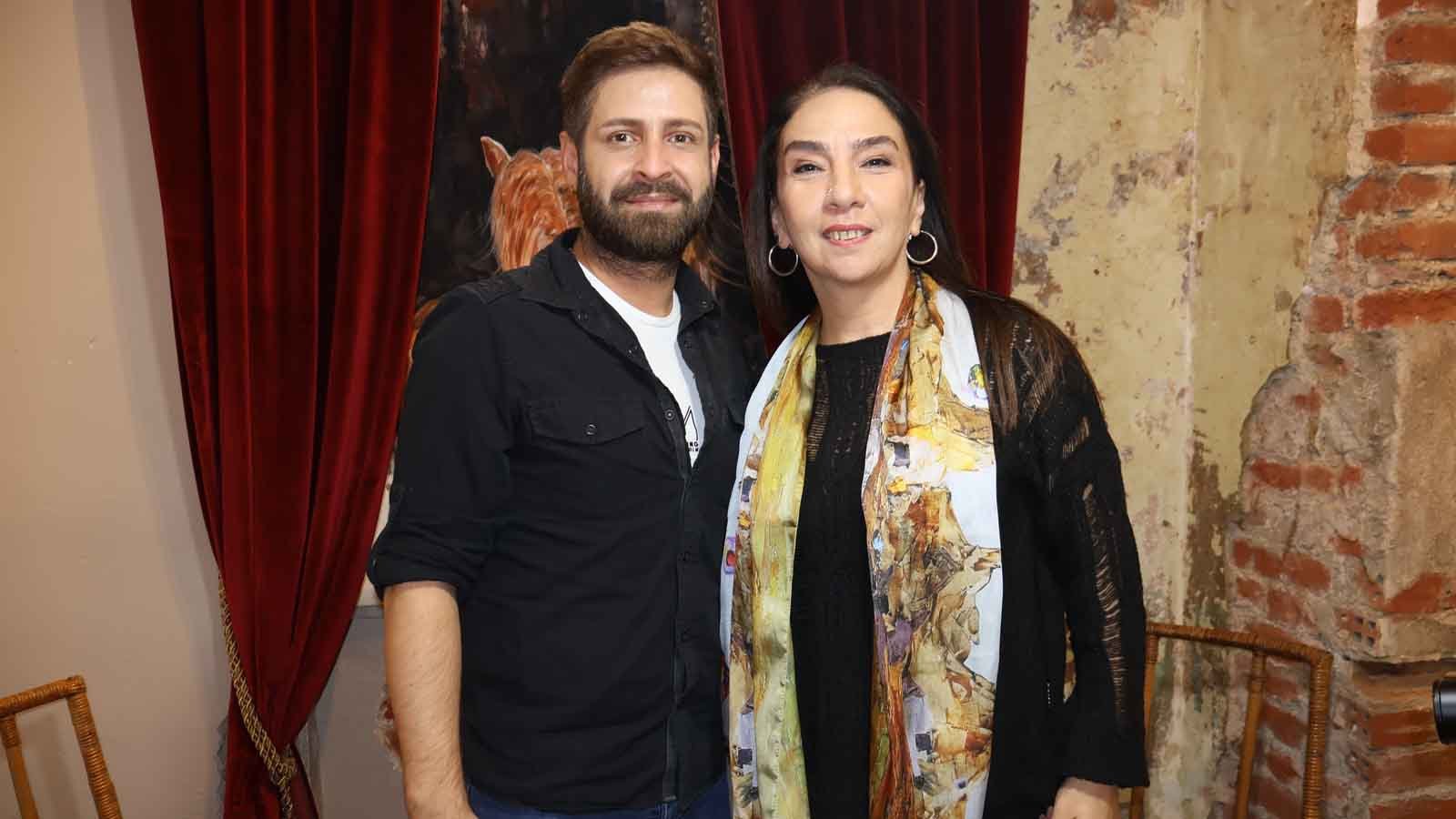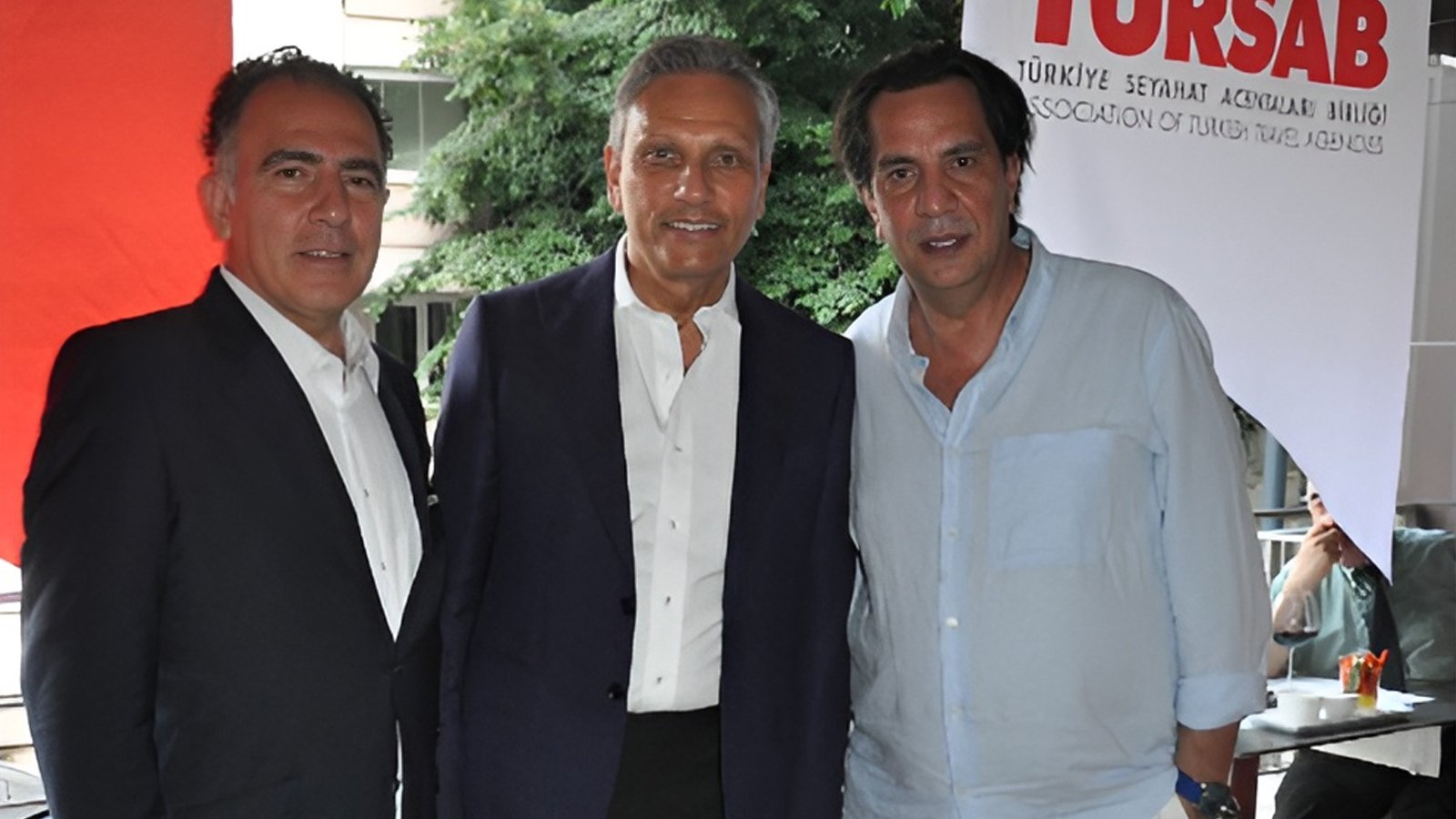
The election of Turkey’s largest community of bosses has been completed. Following the TÜRSAB 25th Ordinary General Assembly Elections, we got the opinions of Murat Tüzel, a member of the World Federation of Travel Journalists and Writers. Tüzel explained the reflections of the election curtain to Devrim Küfteoğlu.
How do you assess the general atmosphere of the TÜRSAB 25th Ordinary General Assembly and the election process?
The TÜRSAB (Association of Turkish Travel Agencies) 25th Ordinary General Assembly and election process was like watching “a movie whose ending was known from the beginning” for those who follow Turkish tourism politics. This election, where Firuz Bağlıkaya won with an overwhelming majority, was not just a renewal of trust, but also proof of the strategic inadequacy of the opposition and how disconnected they are from the field.

What were the strategies and perception management that enabled Firuz Bağlıkaya to win with such an overwhelming majority?
The Invincibility of Incumbent Power: Firuz Bağlıkaya From the very beginning of the election process, Bağlıkaya acted with the confidence of “a president continuing his duty” rather than just “a candidate”.
Propaganda Language: When Bağlıkaya’s campaign videos and visuals are examined, the emphasis was on “achievements” and “power” rather than “promises”. The subtext of “We are already doing it, don’t seek adventure” was effective on agents who fear uncertainty.
Field Dominance: Bağlıkaya is a name who knows the delegation math very well. While the opposition was making noise on social media, Bağlıkaya’s team had already organized the “silent majority” in the field and the delegate transfers.
Perception Management: The stance of the winner is always calm. Instead of engaging in polemics, Bağlıkaya had given the message “I have already won” with crowded photos showing he had the masses behind him, long before the ballot box was set up.
Why did the opposition bloc fail? Where did candidates Aylin Özsavaş and Mehmet Hacıaliğaoğlu go wrong?
The Ineffectiveness of the Opposition: Why Were They Doomed to Lose? The opposition bloc (Aylin Özsavaş, Mehmet Hacıaliğaoğlu and other independent initiatives) built the election process not on “winning” but on “damaging” Bağlıkaya. This strategy did not find resonance with the delegates. Their last-minute attempts can be summarized with this saying: “The oven and pan arrived, but the dough was gone. Wisdom came to mind, but life was gone. Ha. So you understand at a point, but then what is left?”
Aylin Özsavaş: Wrong Positioning and Discourse Error. Özsavaş’s campaign, while advocating for change, was more like a complaint box listing the mistakes of the current administration rather than offering a concrete and convincing “salvation recipe” for the daily, practical problems of the agencies (visa, ticketing, audits, etc.). Although a sincere effort was seen in her videos and speeches, against Bağlıkaya’s profile of “the strong leader who knows the bureaucracy and Ankara”, Özsavaş remained weaker and seemed like just the representative of a certain group.
Mehmet Hacıaliğaoğlu: Although he was known for his harsh outbursts during the election process with the final effort of United TÜRSAB and his own last endeavors, this harshness did not turn into a foundation of trust. Being “angry” is different from being “ready to govern”.

At this stage, one must ask: How did the “White List” merger, which took place hours before the election, reflect on the ballot box?
It was perceived as a confession of weakness, in my opinion… The most crucial point of the election analysis is the merger under the “White List” by Aylin Özsavaş and Mehmet Hacıaliğaoğlu hours before the election. This move was the final nail in the opposition’s coffin.
In politics and in these types of institutional elections, 1+1 does not always equal 2. Mergers made hours before the election are seen as a confession of “We cannot win on our own, we are desperate” in the eyes of the voter (delegate). The coming together of two candidates who defended their own lists and teams throughout the campaign “out of necessity” on the final night created a perception of “compromise on principles” among the core base of both sides. The merger news spread a sense of panic rather than a show of strength. The delegate does not want chaos; especially in a sensitive sector like tourism, they seek stability. The last-minute merger triggered fears that the administration would also be like a “patched-up bundle”.
As a result, what was the atmosphere in the election hall and why did the delegate make this choice?
When entering the election hall, the air was already clear. Against Firuz Bağlıkaya’s relaxed demeanor and his team’s organizational power; there was an opposition that had lost its identity with the last-minute merger, hastily formed its lists, and whose main motivation was solely “to overthrow the other side”. It was like the Anatomy of a Chronic Loss. So, this result surprised no one, including me. In the end, everyone worked a bit, spent some money. Everyone introduced themselves a bit more. Everyone positioned themselves next to the winner. That’s life…
Also, the TÜRSAB delegate does not seek adventure. The opposition lost because they said “Let Bağlıkaya go, no matter what happens” instead of saying “We can do better than Bağlıkaya”. In this scenario where the winner was clear from the start, the other candidates only played a role as extras, and with the merger move, they accelerated their own political ends.

Interview: Devrim Küfteoğlu
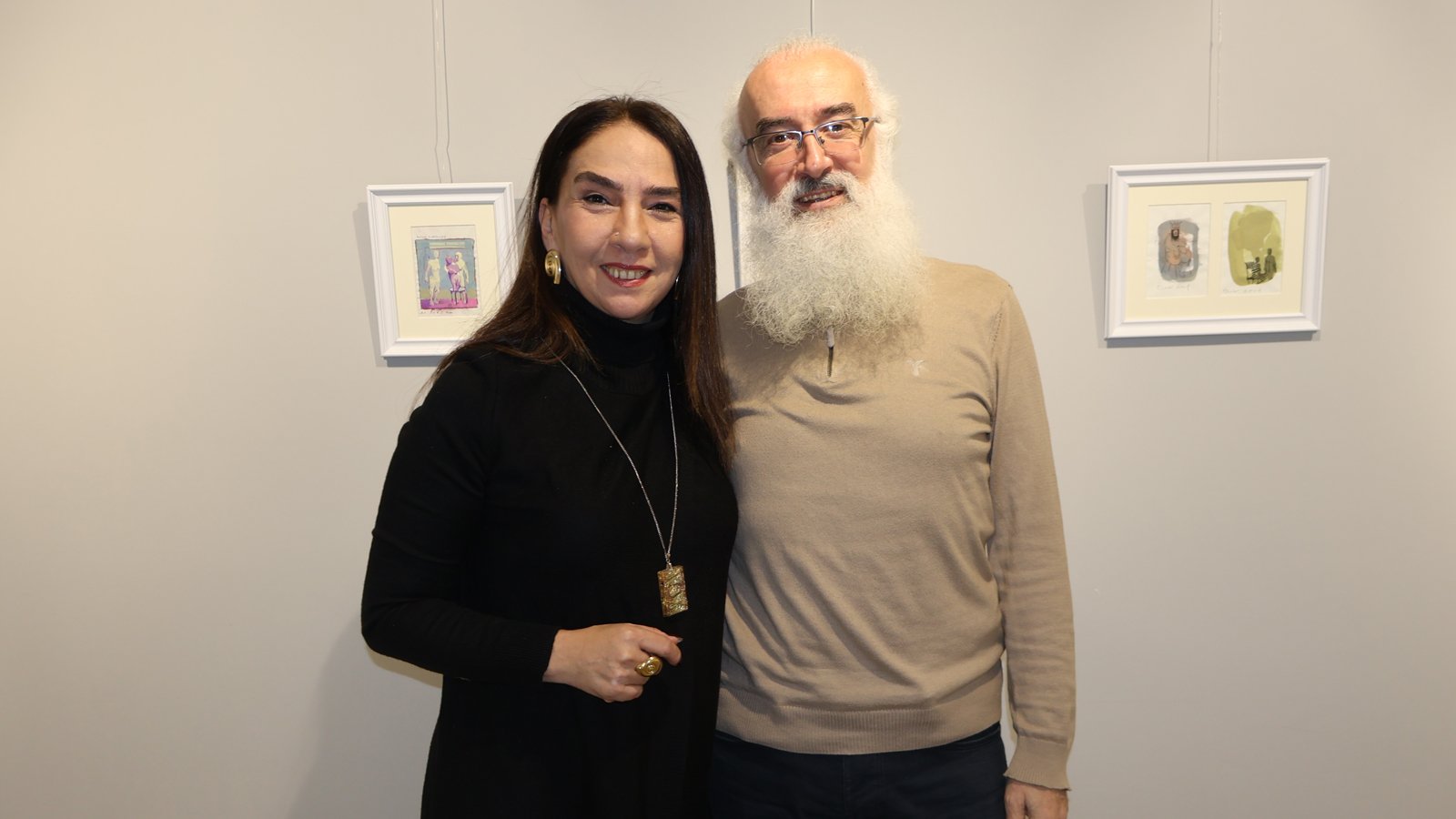
Murat Tüzel
Şişli City Council Tourism Commission President
Member of the World Federation of Travel Journalists and Writers