Dear Murat Tüzel, first of all, we would like to thank you for your valuable work and contributions in the field of tourism. As the CHP Istanbul Provincial Presidency Tourism and Culture Commission President, Şişli City Council Tourism Commission President, and a tourism writer, you are one of the leading figures shaping the tourism sector. In this context, we would like to hear your opinions on the future of the tourism sector and innovative approaches.
Interview: Devrim Küfteoğlu
We would like to ask you a few questions to learn your thoughts on next-generation digital tourism platforms like Globemeets and their potential impacts on the sector.

What advantages do you think platforms like Globemeets offer compared to traditional travel agencies and guides? How can these platforms increase local community participation in tourism?
First of all, I appreciate the Globemeets platform, which brings an innovative and dynamic perspective to the tourism sector, and Hüseyin Kurt and his team, who work with dedication in this field. The integration of technology and digitalization into the tourism sector is shaping the future of tourism. In this context, platforms like Globemeets are opening new doors for both tourists and our own people, going beyond the traditional understanding of tourism.
In conclusion, platforms like Globemeets are transforming tourism from merely a travel activity into an experience focused on mutual interaction, learning, and cultural sharing. This approach allows tourists to accumulate richer memories and enables local people to highlight their own values as part of tourism. Beyond connections, friendships were built; beyond collaborations, bridges were established. There was a stage where effort, excitement, and passion were felt at every moment. I once again congratulate Hüseyin Kurt and his team, who work with this vision, and wish them continued success.
In a city like Istanbul, with its historical and cultural richness, what kinds of experiences (e.g., neighborhood tours, food workshops, art events, etc.) do you think will stand out and attract tourists’ attention through platforms like Globemeets?
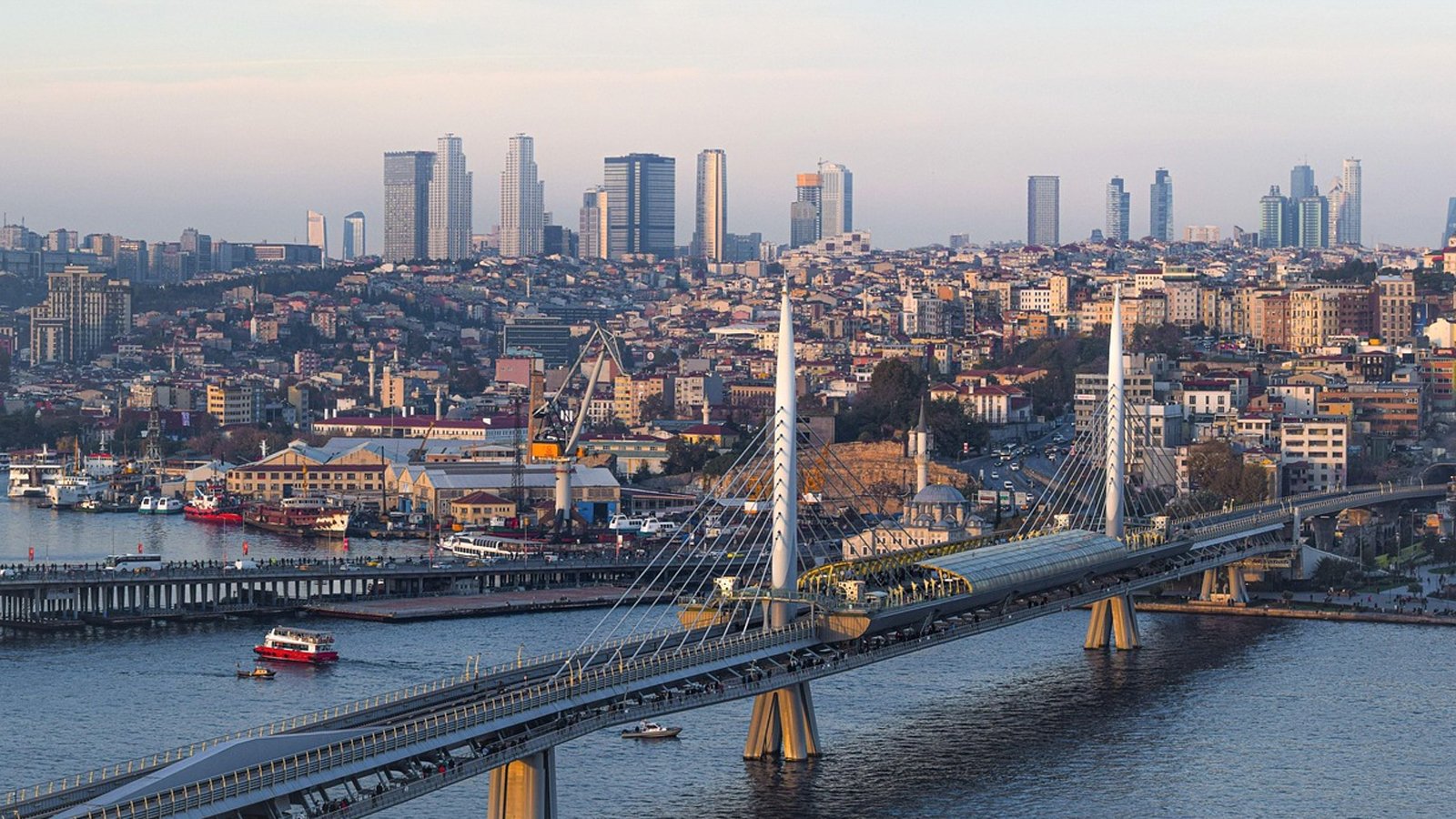
Of course, in a historical and cultural capital like Istanbul, the experiences that can be offered through platforms like Globemeets are limitless. This city holds a unique story in every street and every neighborhood, and special experiences that go beyond traditional tours will attract tourists’ attention. Istanbul is a magnificent attraction center that is interesting even for those visiting for the first time or those who have visited many times.
The discovery of hidden places can be presented in a more adventurous atmosphere. In our Istanbul, which has been the center of art throughout history, we can allow tourists to experience traditional handicrafts in workshops. We can organize special events to allow our visitors to experience our culinary culture, which blends superior flavors from many geographies. It is possible to multiply these examples.

With the widespread use of digital platforms, what new professions or areas of expertise might emerge in the tourism sector? How should this affect tourism education?
The integration of digital platforms into the tourism sector is transforming existing professions while also opening the door to entirely new areas of expertise. This change necessitates the reshaping of tourism education. Since digitalization has fundamentally changed tourists’ expectations and ways of traveling, the tourism sector must adapt to this situation.
Digital content creators, bloggers, vloggers, podcasters, and social media experts have now become an integral part of tourism promotion. Some vloggers are even producing television programs now. I think those who produce quality publications that can effectively market destinations and tourist experiences through digital channels will create new areas of expertise.
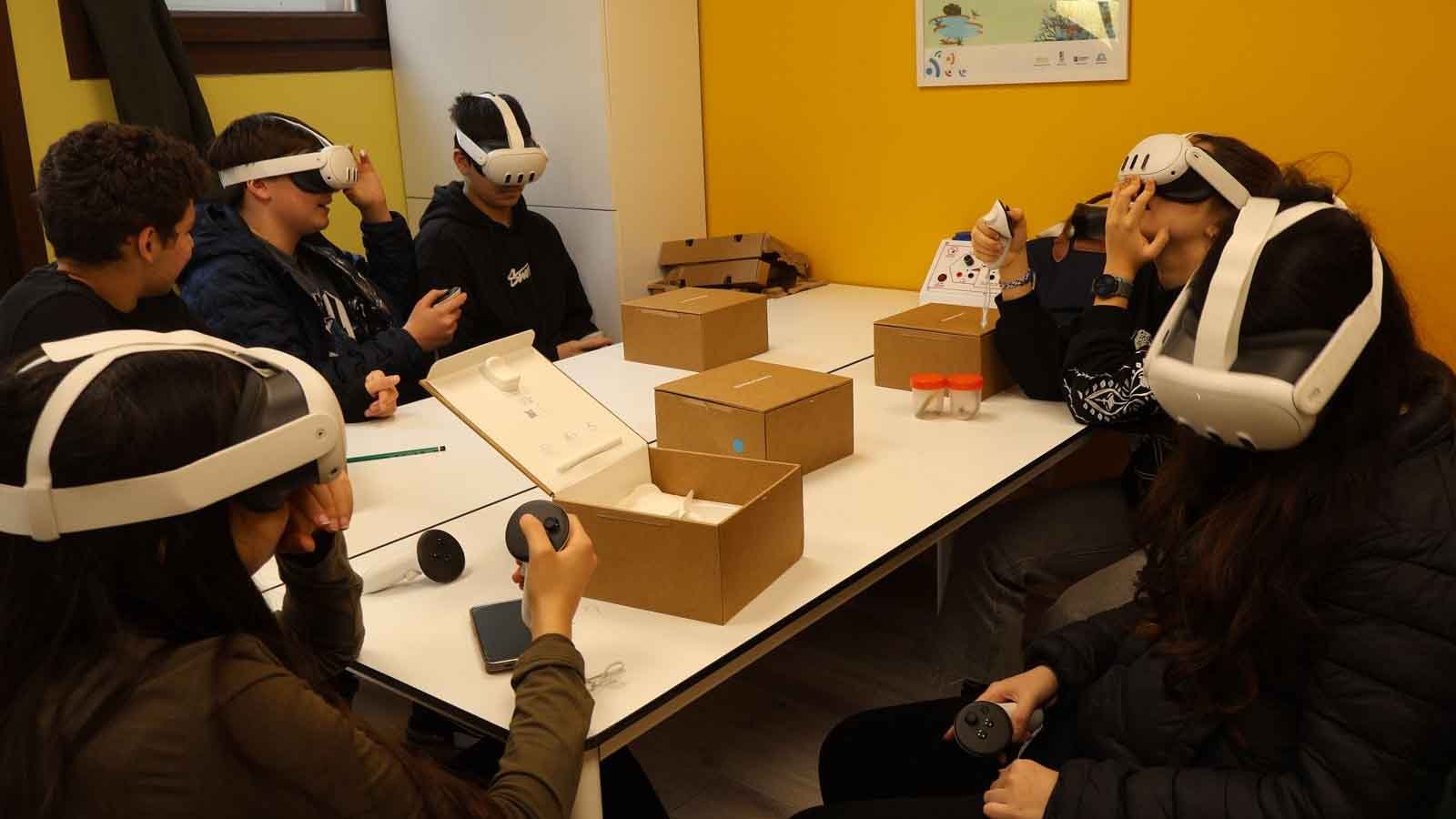
Additionally, technology must be adapted to tourism. Virtual and Augmented Reality (VR/AR) Guides will become even more powerful with new devices. These guides, who will allow visitors to experience a place before visiting, can increase its appeal. Experience designers who go beyond traditional guiding may transition into a new profession or area of expertise. Experience designers can make a difference with original plans, such as a photo tour exploring a city’s hidden streets, a food workshop held at a local family’s home, or a gallery tour guided by an artist, to provide personalized and unforgettable experiences for tourists. In summary, traditional expertise is possible with the training of equipped individuals who can make visitors feel special.
In education, both technology should be used, and tourism personnel should be trained with programs that provide experiences enabling them to empathize with each tourist.
What role can platforms like Globemeets play in achieving sustainable tourism goals? How do you evaluate these platforms in terms of their contributions to the economy and cultural heritage?
Platforms like Globemeets are very important in achieving sustainable tourism goals. Unlike traditional mass tourism, such platforms encourage a more conscious approach both environmentally and socio-culturally. Globemeets invites tourists to explore not only the main attractions of a destination but also its cultural heritage and local life. It is a very valuable activity. Globemeets is a very well-prepared, courageous platform.
Considering the changing tourism trends and tourist expectations in the post-pandemic period, how do you see the place of innovative platforms like Globemeets in the future tourism market?
It is a fact that the post-pandemic period has fundamentally changed the tourism sector. Tourists’ expectations are no longer limited to just seeing new places; they are seeking more meaningful, safe, and personal experiences. In this new era, I believe innovative platforms like Globemeets will have a much larger place in the tourism market.
We thank dear Hüseyin Kurt and the entire Globemeets family for their valuable contributions.