It has been announced that the Sardis Ancient City and the Bin Tepe Lydian Tumuli, located in the Salihli district of Manisa, have been added to the UNESCO World Heritage List.
According to a statement from the Ministry, the archaeological site, which had been on the UNESCO World Heritage Tentative List since 2013, was unanimously inscribed on the permanent list at the 47th World Heritage Committee Meeting held in Paris.
Minister of Culture and Tourism Mehmet Nuri Ersoy stated, “The Sardis Ancient City and Bin Tepe Lydian Tumuli have become our 22nd cultural treasure to join the UNESCO family. Turkey’s cultural treasures will continue to emerge one by one. I invite everyone to discover the magical atmosphere of Sardis Ancient City, which welcomes visitors also during the night within the scope of night-time museology.”

Ambassador Aybet, Turkey’s Permanent Representative to UNESCO, who attended the 47th Session of the UNESCO World Heritage Committee along with the Director General of Cultural Heritage and Museums İnceciköz and Head of the Sardis Excavation Team Professor Dr. Nicholas Cahill, said, “We are very pleased with this decision.”
Aybet also noted that Turkey was elected to the UNESCO World Heritage Committee for the 2023–2027 period with the highest number of votes and is currently a member among the 21 countries on the Committee. He emphasized that Turkey is a highly visible country within UNESCO and added, “We are both an Executive Board member and a member of this very important World Heritage Committee. This gives us additional happiness. Our goal is to inscribe many more of our national treasures on the World Heritage List.”
İnceciköz, Director General of Cultural Heritage and Museums, stated that the application file for Sardis and Bin Tepe was prepared after two years of dedicated work by the Department of Identification and Planning, and thanked everyone who contributed to the inscription of this cultural asset.

Professor Dr. Nicholas Cahill, head of the Sardis excavation team, emphasized that one of their most important responsibilities is to preserve this ancient city they dearly love. He added, “Today’s decision will greatly contribute to the protection of this city and will also help introduce it to more people and promote it to the world in the future.”
Cahill described Sardis as a very special place, enchanting visitors with its natural beauty and ruins, and noted that many who come to work here often choose not to leave and continue living in the area.
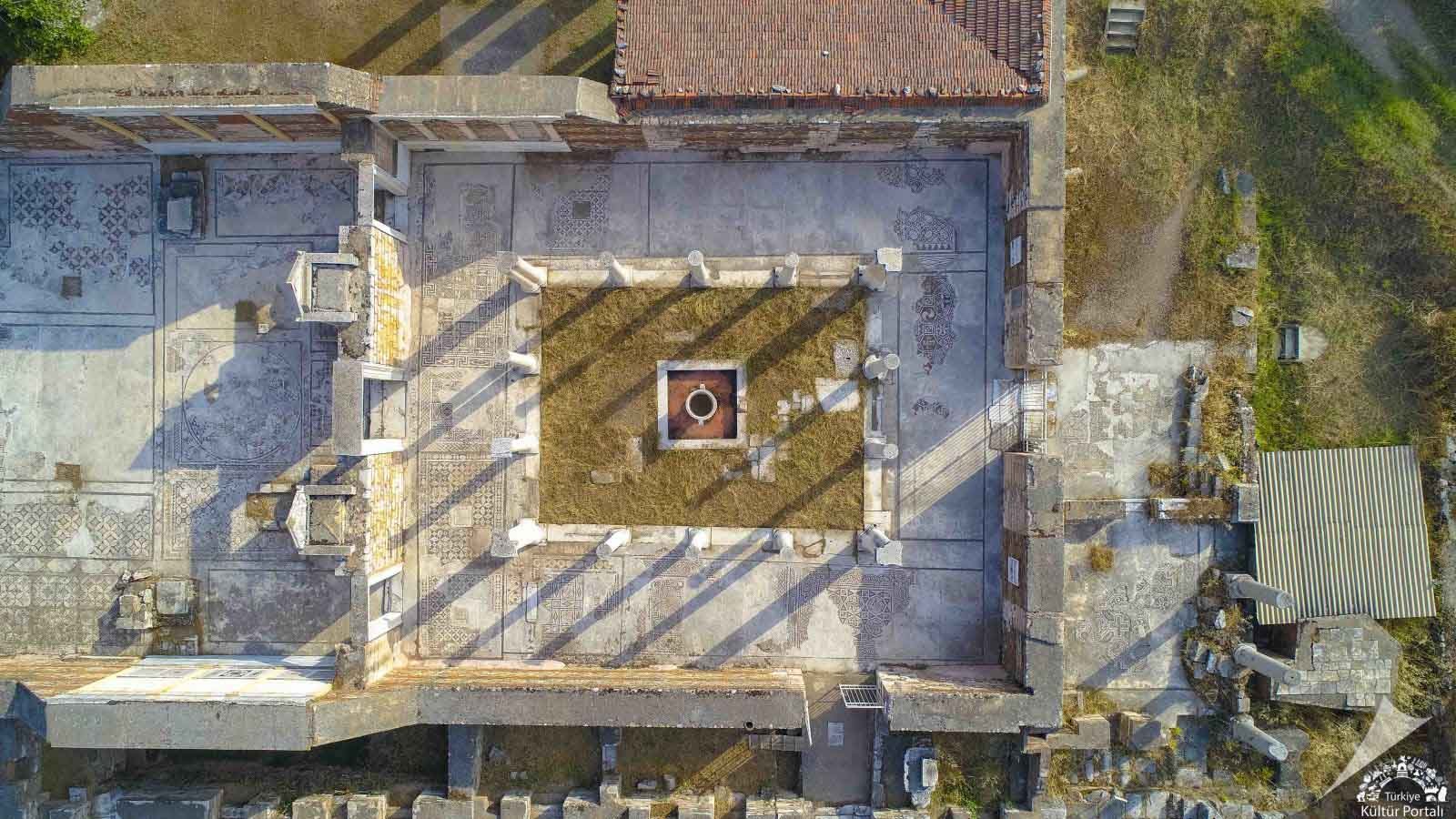
The Lydian civilization, an indigenous culture of Anatolia, attracts global attention with its strong archaeological and architectural evidence. Listed under UNESCO’s criterion number 3, archaeological excavations continue in the area, while scientific research and preservation efforts carried out with an interdisciplinary approach also proceed through both national and international collaborations.
Excavations at Sardis were first initiated by H.C. Butler between 1910–1914, continued by G.M.A. Hanfmann between 1958–1976, and led by C.H. Greenewalt from 1977 to 2007. Since 2008, the excavations have been directed by N.D. Cahill.
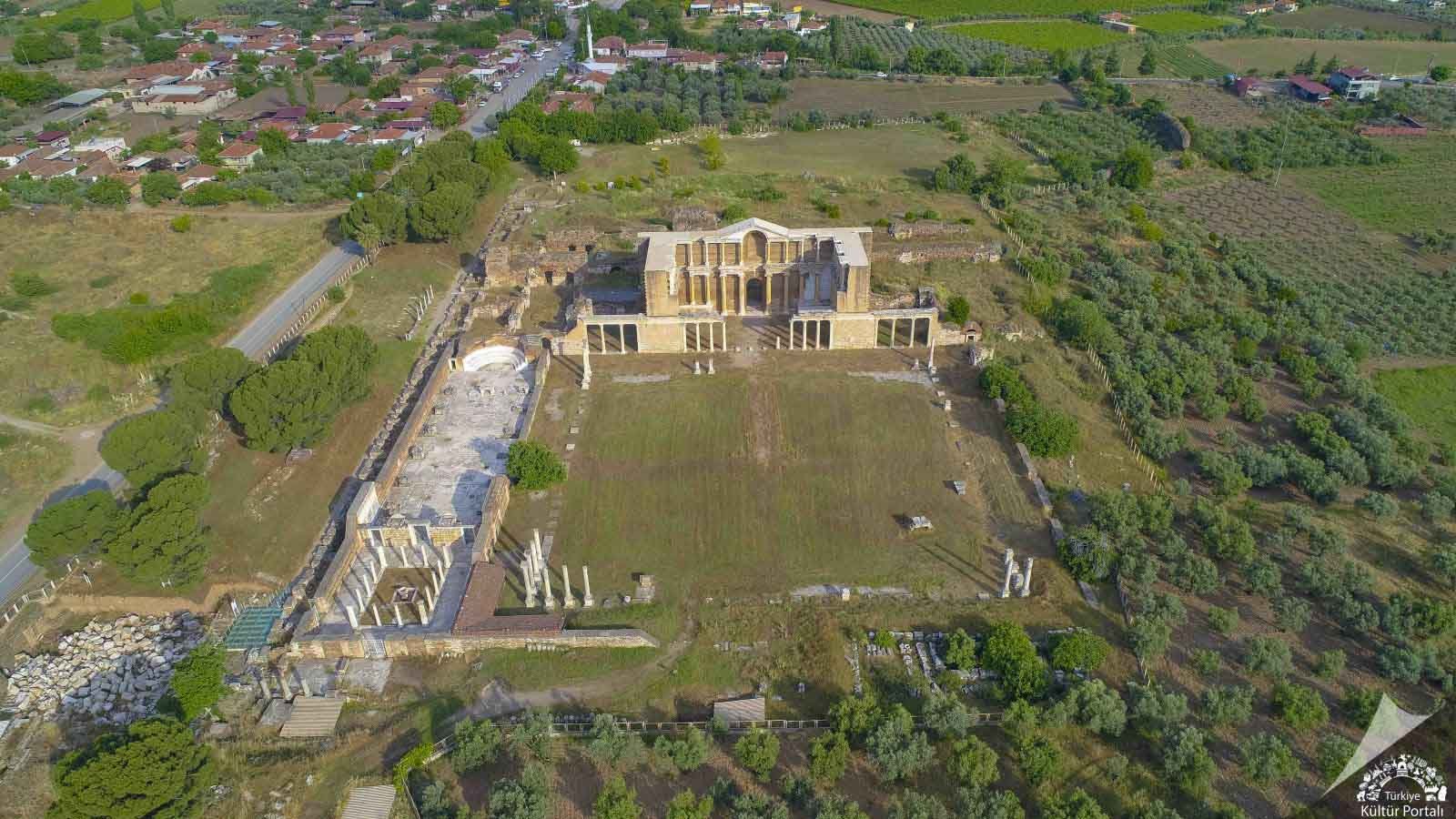
SARDIS ANCIENT CITY
This ancient city, established around a hill at the northern foothill of Mount Bozdağ in the Gediz Plain, within the Pactolus River Valley, was the capital of the Lydian Kingdom, which existed from 1300 BCE until its fall in 1200 CE. Originally named “Sardeis,” the city took its name from the word “Sard,” the Western term for Orange Quartz, which was widely used as a precious stone in antiquity. The extraction of quartz and gold continues in the region to this day.
Sardis was one of the key power centers of the Iron Age due to its unique socio-cultural structure and wealth. Excavations have revealed that the city and its surroundings were continuously inhabited for nearly 3,000 years and remained a significant settlement during the Roman and Byzantine periods.
According to known history, Sardis was the first place where coins were minted. It was also the starting point of the historic “Royal Road.” From a religious standpoint, Sardis holds significance as one of the seven churches of Asia that played a vital role in the spread of Christianity to the West.
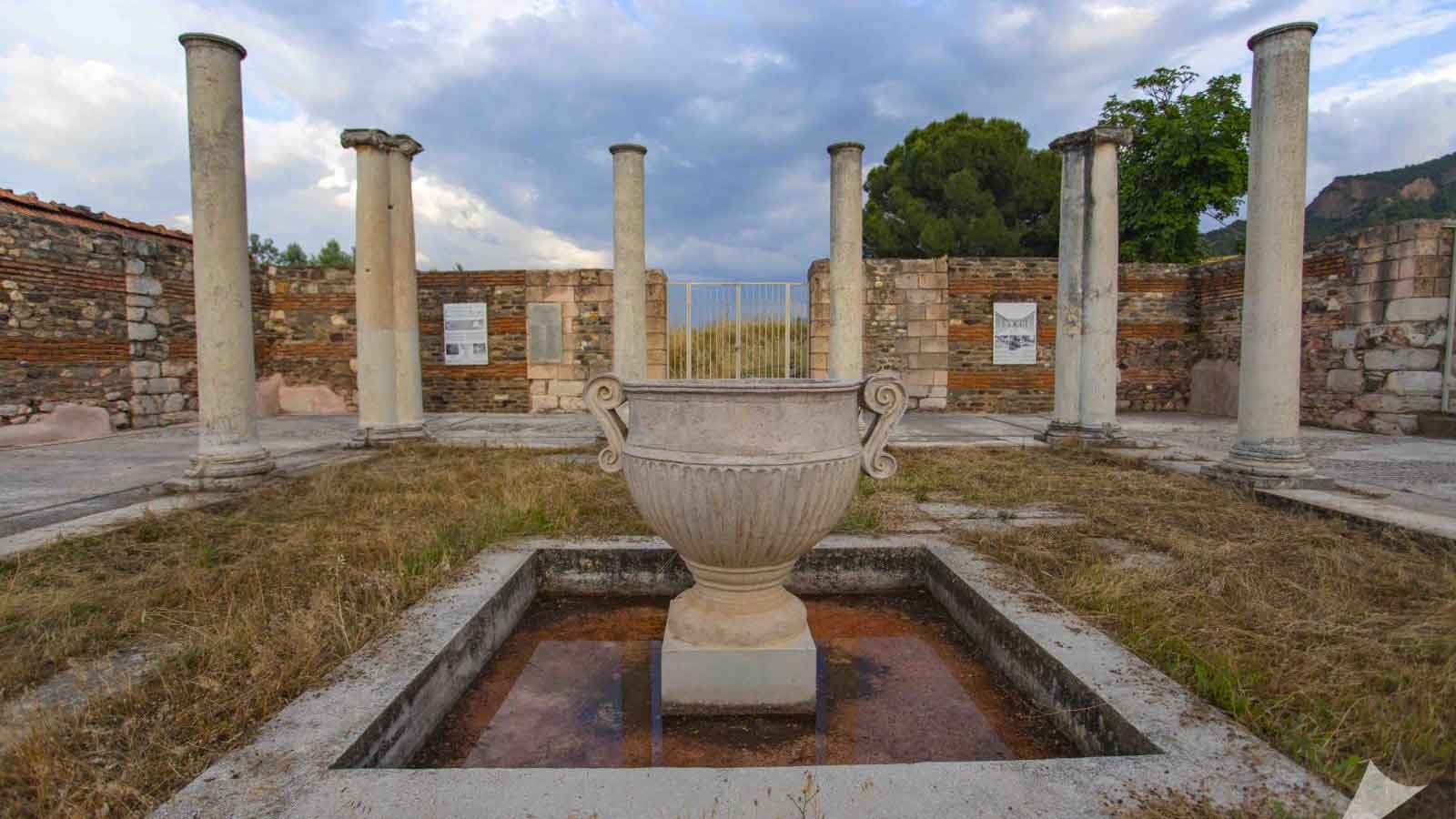
The site also contains remnants of one of the oldest known theaters in history, currently under excavation. Its historic library and royal thrones have largely remained intact and are open to visitors.
Sardis consists of three main parts: the Acropolis, the walled city center, and outlying residential and tumulus-style burial areas. The upper parts of the city feature massive fortifications and a terracing system, while the lower parts contain mudbrick houses, rock-cut tombs, and a gold refinery.
Major historic structures in Sardis include:
- The Acropolis
- Gymnasium
- Synagogue
- Temple of Artemis
- Roman Baths
- Courthouse
- Houses
- Tombs
- Bin Tepe Tumuli
BİN TEPE TUMULI
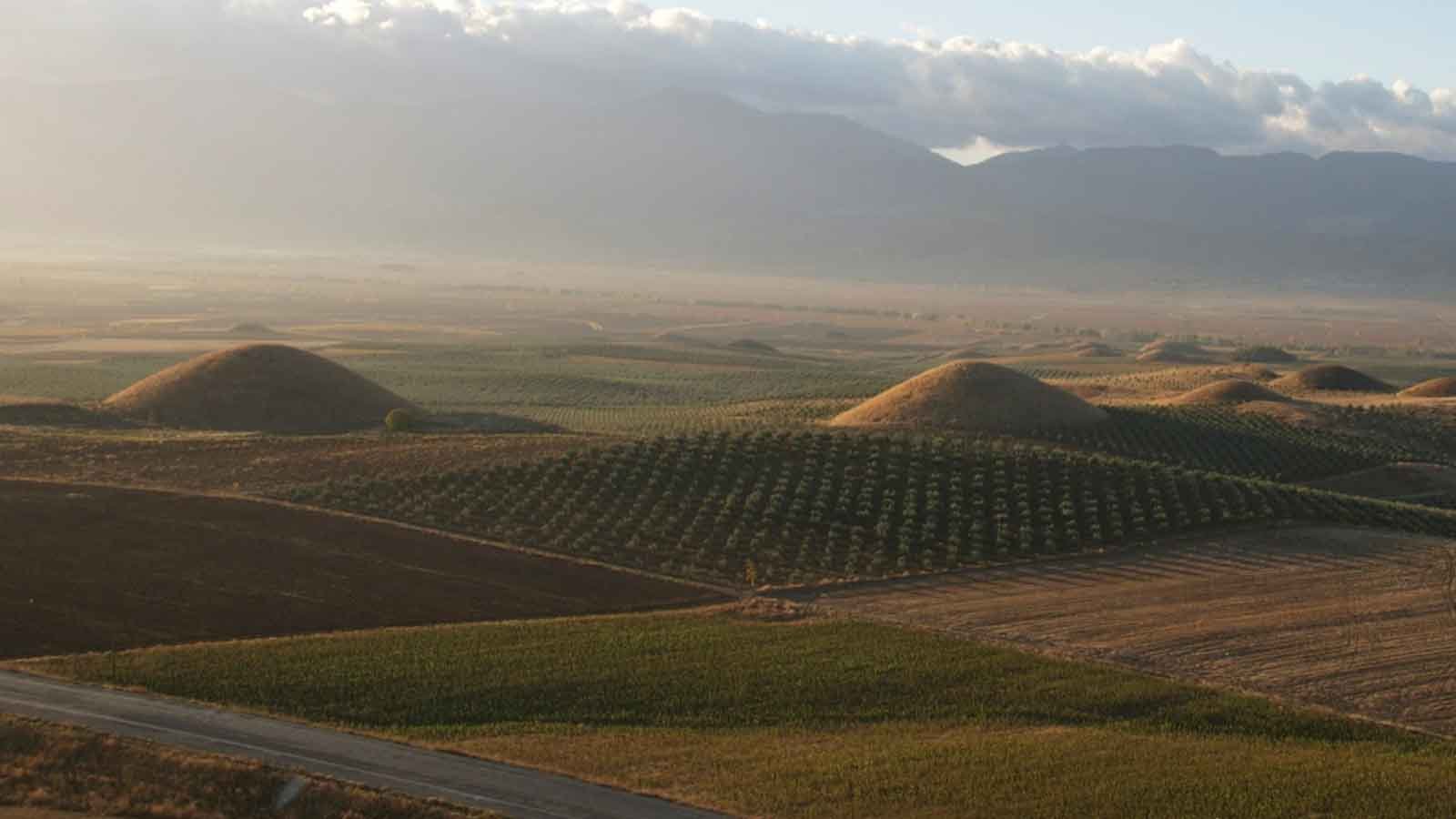
Located about 5 kilometers north of Sardis, between the Gediz River and Lake Marmara, the area known as “Bin Tepeler” (“Thousand Hills”) is home to Lydian royal burial mounds. This necropolis contains 119 tumuli of various sizes, where members of the Lydian nobility and royal family were buried, spanning an area of 75 square kilometers.
These burial mounds date back to the 6th and 7th centuries BCE. The Alyattes Tumulus, begun in the 7th century BCE, stands as one of the largest monumental tombs in the world.
Following the Lydians, the Persians also used these tombs, and the tumulus tradition continued until the 4th century BCE.
These human-made hills, remarkable for their monumentality, present a unique cultural landscape amid the region’s agricultural fields.
Murat TÜZEL
Chair, CHP Istanbul Culture and Tourism Commission
Chair, Şişli City Council Tourism Commission
Member, World Federation of Travel Journalists and Writers