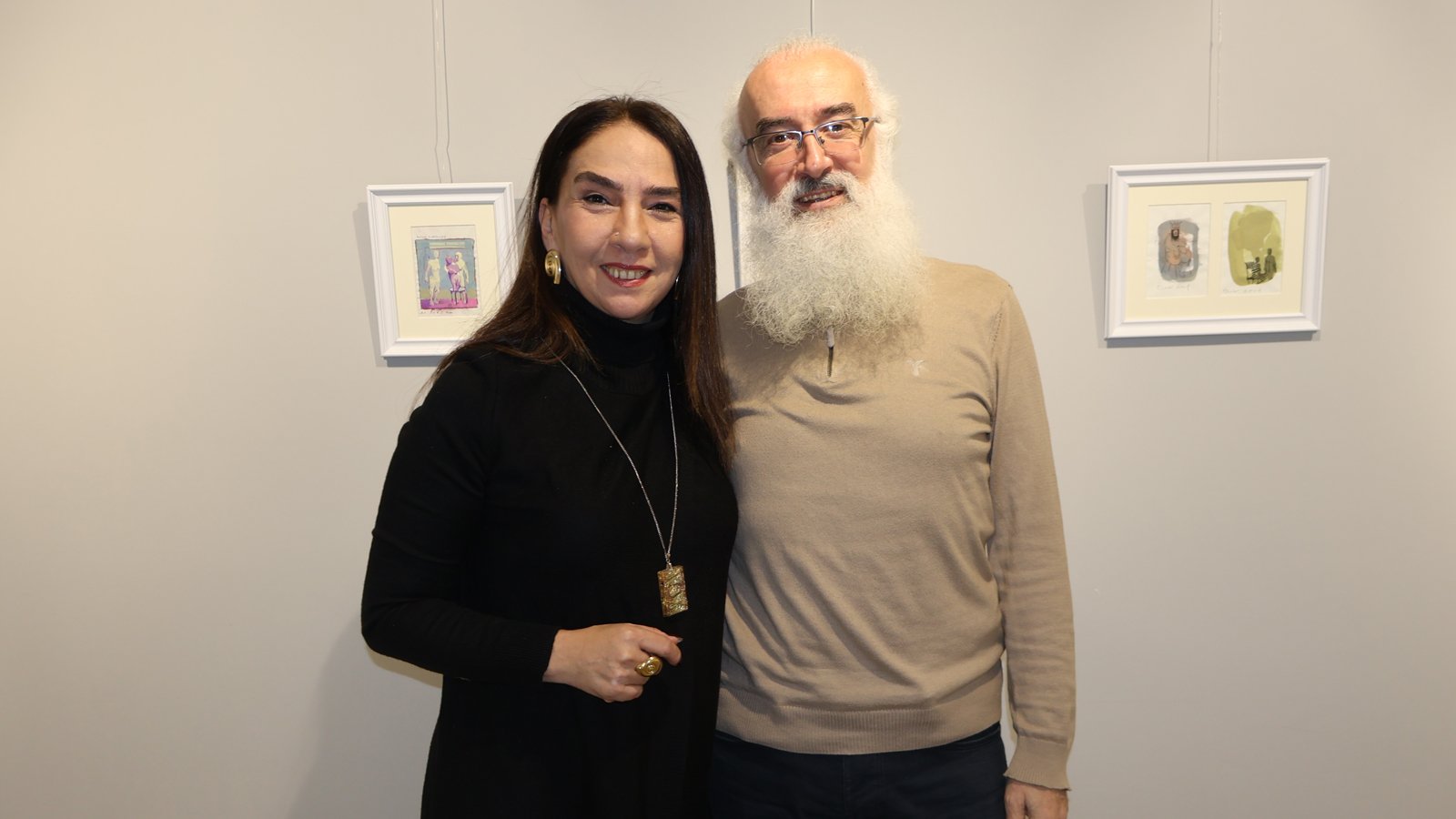
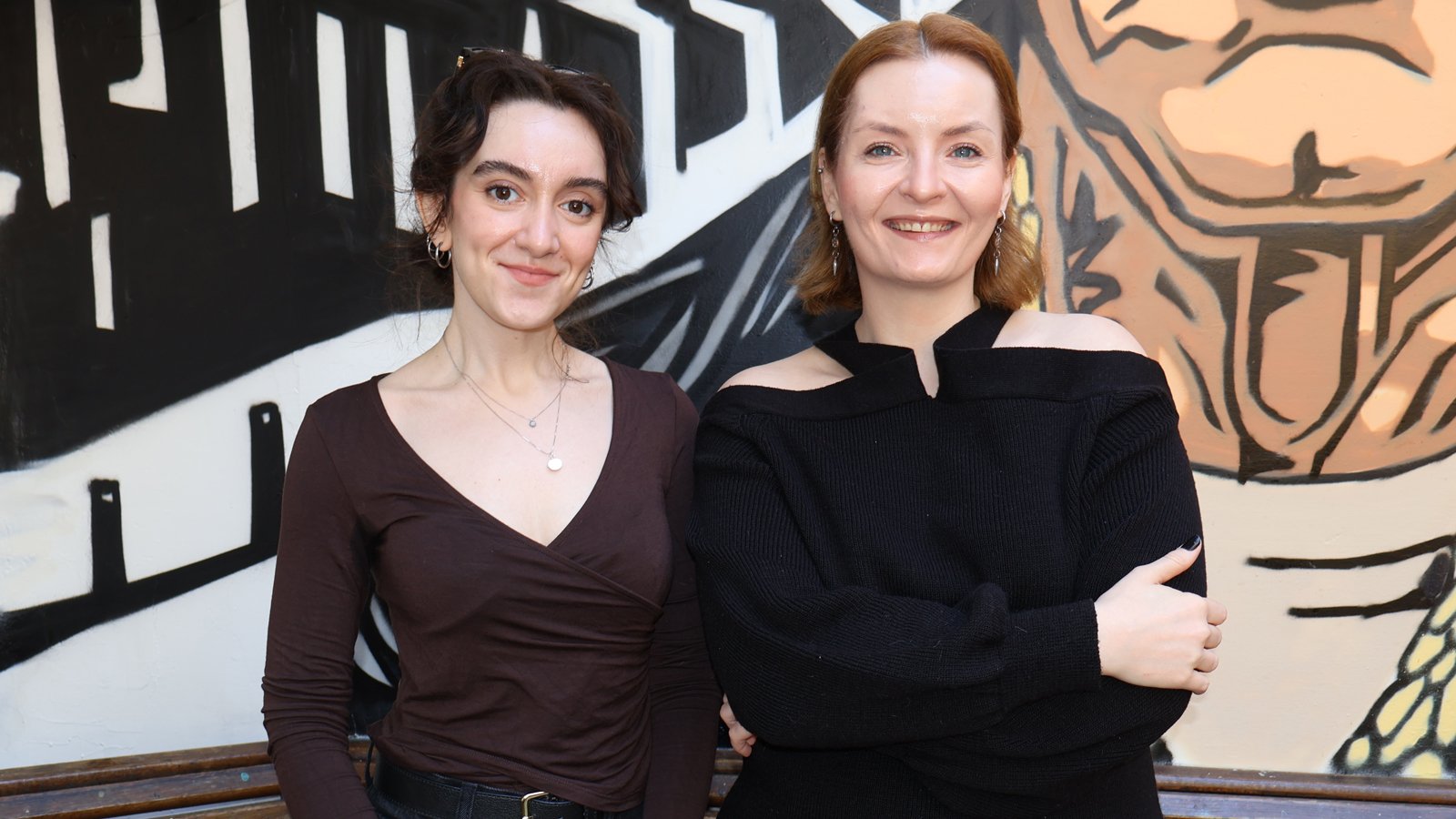
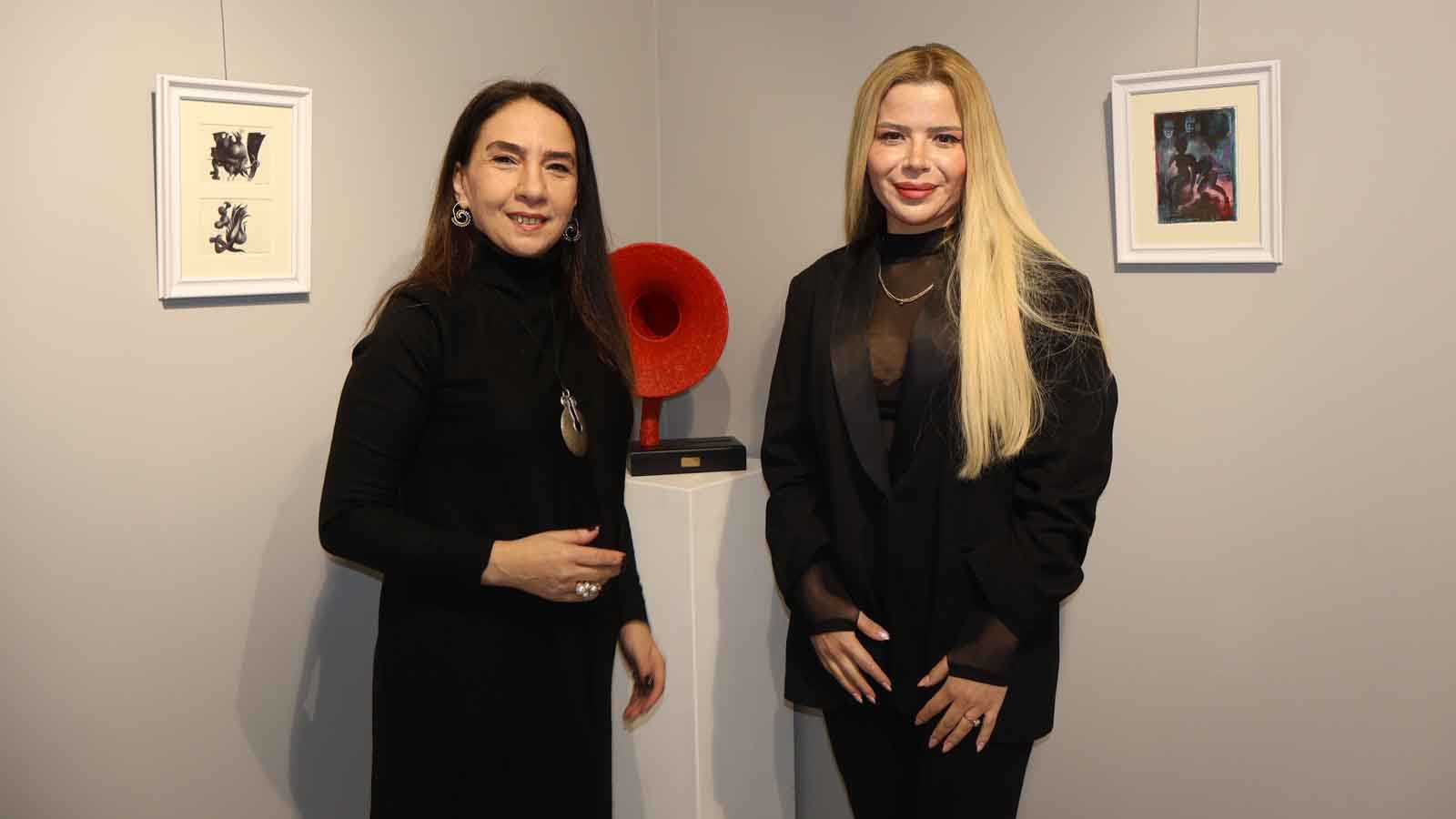
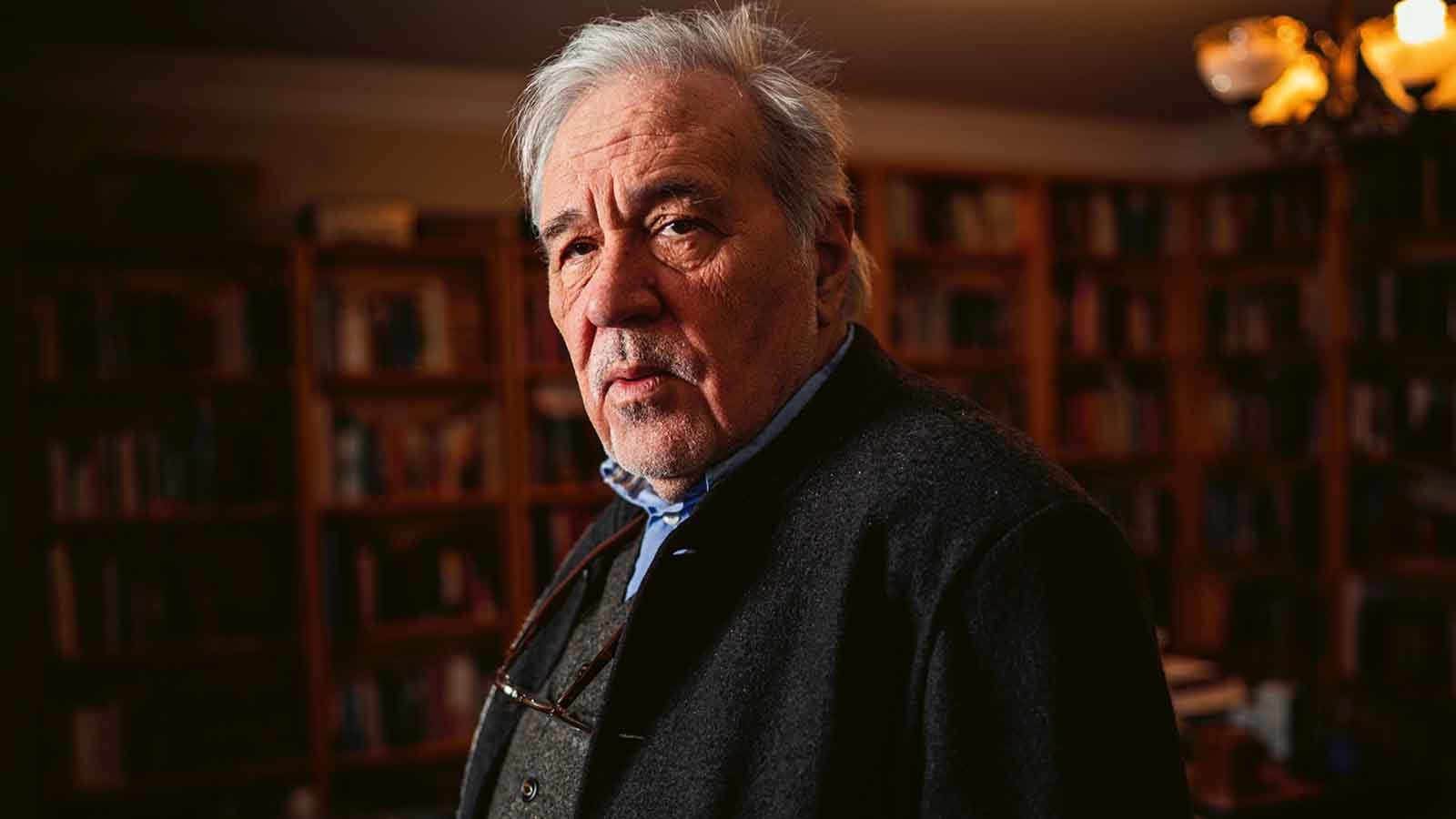
The guest of this episode of Eylül Aşkın İle, hosted by Eylül Aşkın, was journalist and Tercüman newspaper columnist Arif Hür, who is prominently known for his national and international interviews, particularly in the field of culture and arts.
“I Started Working at Habertürk Before Graduating.”
Arif Hür, a graduate of the Radio and Television Programming Department, developed a deep passion for journalism while working at Habertürk, where he initially started as an intern during his university years. Guided by his supervisors at the time, he proved himself through significant projects and was promoted to the position of editor/reporter.
Making a Name with His Interviews!
Arif Hür attributes his prominence in cultural and artistic journalism to his independent and impartial approach. He stated:
“First and foremost, I prepare thoroughly for the artist. I make sure to approach the interview in the most natural, unbiased, and inclusive way, as if I am meeting the person for the first time. Ignoring the past, I focus on establishing a genuine dialogue in that moment.”

“The Past Should Not Be Judged.”
Arif Hür, emphasizing the importance of looking forward rather than dwelling on the past, criticized the tendency of tabloid journalism to focus on past events. He stated, “We shouldn’t keep looking back; we must always look forward. No one wants their past to be scrutinized. On the contrary, people feel happier when they realize they are not being questioned about their past. In journalism, the most important thing, in my opinion, is to focus on the future.”
“I Didn’t Want to Wear the Tabloid Jacket.”
Having served as the editor-in-chief of Snob Magazine for about four and a half years, Arif Hür explained that he voluntarily stepped down from his role to shift his focus back to culture and the arts, moving away from entertainment journalism.
“Eighty Percent of This Job Is Communication.”
While emphasizing the undeniable importance of education and experience in journalism, Arif Hür also pointed out that personal traits such as warmth and sincerity are essential for success in the field. He remarked, “If a person is shy or hesitant, they cannot be a journalist.”
“Journalism Has Seriously Lost Its Value.”
Highlighting the decline in journalism’s professional significance today, Arif Hür also criticized media companies in this regard. He stated, “Journalism has no fixed working hours, but now it’s treated like a regular office job. A journalist is given a position similar to a bank clerk, and they start behaving that way. A journalist doesn’t work from nine to six.”
“There Is Almost Nothing Original Anymore.”
Arif Hür also criticized his fellow journalists, stating that most simply attend events and produce routine news rather than striving for exclusive stories. He lamented that only about five percent of journalists genuinely aim to create original and high-quality content. Additionally, he shared his biggest professional dream: to interview renowned figures such as Şener Şen, Tarkan, Sezen Aksu, and Levent Yüksel, who rarely give interviews.
“I Want to Publish My Interviews as a Book.”
Having conducted nearly 400 interviews so far, Arif Hür expressed his ambition to compile them into a book once he reaches 500. He believes this project will serve as a valuable cultural and artistic resource for society.