Art, throughout history, has often served as a vehicle for political events. Propaganda and protest art are among the most important examples of this. Propaganda art includes works of art that disseminate a political message, while protest art refers to works of art that emerge in response to an existing system or situation. In this article, we will provide detailed information about the history and current reflections of propaganda and protest art.
History of Propaganda Art
Propaganda art has been used throughout history by political leaders to maintain or expand their rule. The earliest examples of propaganda art date back to ancient Rome, but it became especially popular in the 20th century. In the Soviet Union, propaganda art was used during Joseph Stalin’s era to disseminate revolutionary ideology to the people. Soviet propaganda art often includes powerful figures, heroes, and symbols that reflect Soviet ideals.
Propaganda art was also heavily used in Nazi Germany. Nazi propaganda art was designed to emphasize the superiority of the German people. Portraits of Nazi leader Adolf Hitler and symbols of the German race were widely used in propaganda.
Today, the art of propaganda is still being used. Especially in advertising and political campaigns, propaganda techniques are used to spread messages to the masses.
History of Protest Art
Protest art has emerged many times throughout history. Especially in the 20th century, artists who opposed social problems such as wars, political oppression, and discrimination created protest art.
In the 1930s, in the United States during the Great Depression, a program called the Federal Art Project was launched. Under this program, artists were financially supported to create propaganda and protest art to draw attention to the country’s economic difficulties.
In the 1960s, many artists who opposed the Vietnam War created protest art. Especially with the participation of the younger generation in the anti-war movement, protest art became widespread. During this period, artists used striking visual symbols to show the cruelty and inhumane aspects of the war. For example, Pablo Picasso’s painting “Guernica” depicts the bombing incident that took place during the Spanish Civil War and shows the damage the war caused to humanity.
In the 1980s, artists who fought against the AIDS epidemic also created protest art. During this period, due to the exclusion and discrimination that AIDS patients faced from society, artists created a series of artworks to address this problem. Artists such as Keith Haring used symbolic figures to show that AIDS could affect all segments of society.
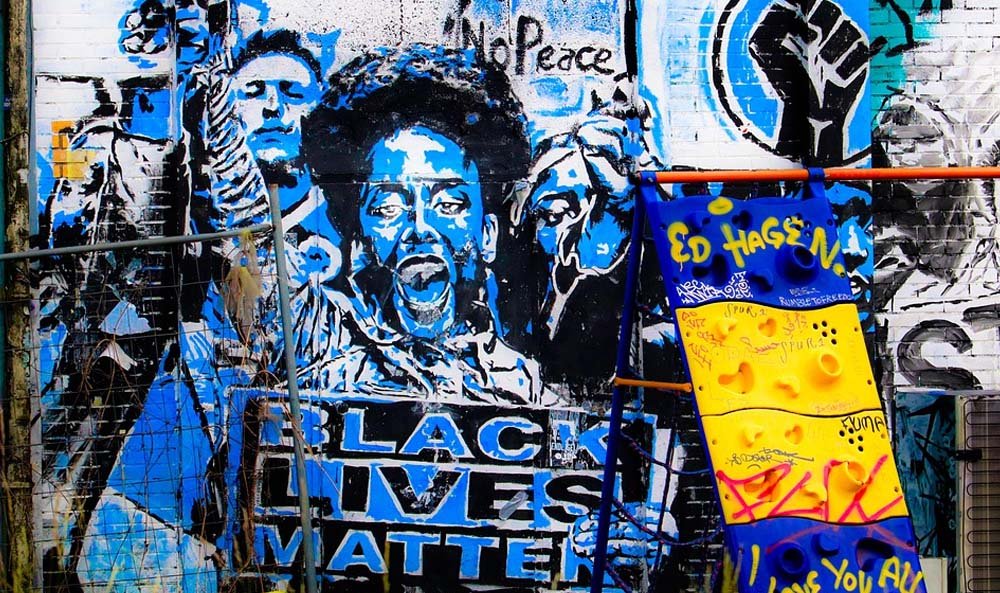
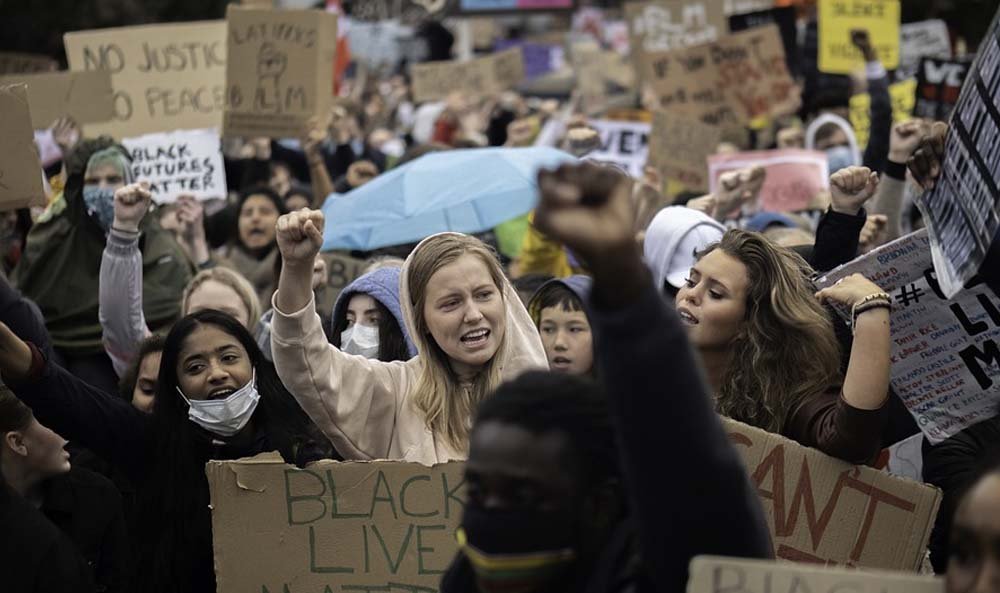
Today, protest art is still being used to draw attention to current issues. For example, during the Black Lives Matter movement, artists created a series of protest art to fight against police brutality and racism. These artworks were used during protests and marches to help spread the message of the movement.
The influence of art on politics has historically been an important issue. While propaganda art is used by political leaders to maintain or expand their reign, protest art expresses art works that emerge as a reaction to an existing system or situation. Today, propaganda and protest art are still being used and help spread political messages.